
You've done a track day or two with an instructor in the right seat. Now you want to drive alone, and everyone keeps saying you need to "get signed off." Signed off by who? Based on what? And what is this "check ride" people mention?
Short version: a check ride is an instructor riding with you one more time to decide if you're ready. Here's how it actually works.
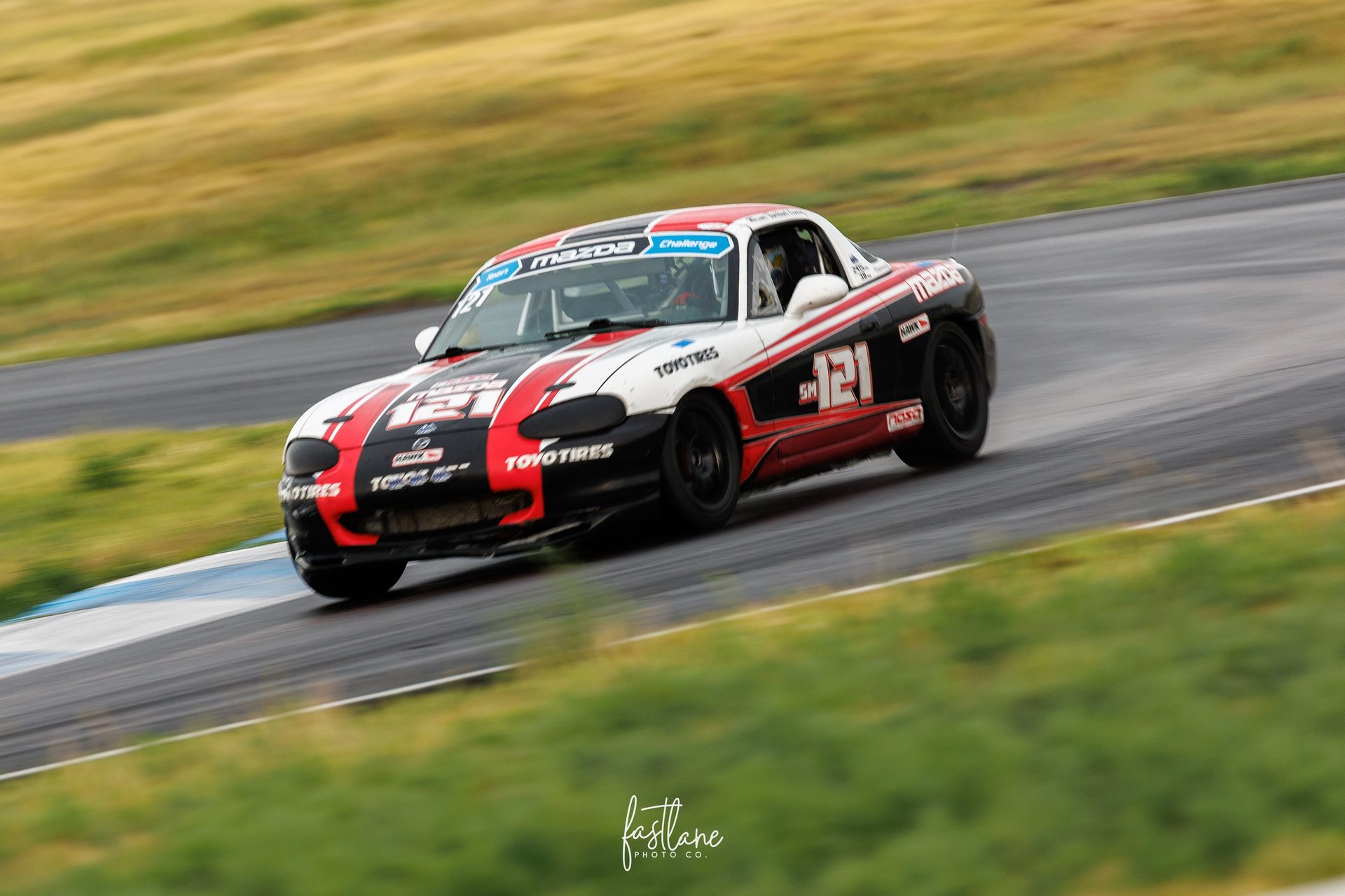 Every driver on track started with someone else making the call that they were ready to be there.
What is an HPDE check ride?
A check ride is an on-track evaluation. An instructor, or a designated staff member, sits next to you and watches how you drive. Their job is to decide whether you can safely drive on your own in a group of other cars.
NASA describes it as moving up usually taking a written recommendation from at least one instructor, and probably a check ride with an instructor or designated staff member. NASA's own writing calls it a formal on-track evaluation by a senior instructor.
It is not a speed test. Nobody times you. The question is simple: are you safe and predictable?
What does "signed off" mean?
"Signed off" is the club's word for an instructor's approval to drive without an instructor aboard. In NASA's setup, HPDE1 is for drivers who have never been signed off for solo driving. HPDE2 is for drivers who have been.
In NASA, that approval is recorded in your HPDE Passport. That's the logbook of instructor feedback, and the sign-off goes in it. Other clubs use a signed form, a stamp in a logbook, or a note in their system. The idea is the same.
One detail trips people up. NASA's higher groups can require a sign-off for each track you drive. Being cleared at one track doesn't automatically clear you at the next. Ask your region how it handles that.
What do instructors watch for?
NASA says an instructor lets a student solo when the student has shown acceptable awareness, judgment, and car control. Those three words tell you what the evaluation is about.
- Awareness. Do you look ahead, check mirrors, and know where other cars are? Do you spot flags without being told?
- Judgment. Do you give a clear point-by, hold your line, and back off when traffic bunches up?
- Car control. Are your hands and feet smooth? Do you brake in a straight line and keep the car settled?
Consistency beats pace. An instructor would rather see ten identical, calm laps than one fast lap and a scrappy one. If you want a deeper look at the visual habits behind awareness, read where to look on track.
How many events does it take?
There's no official number. NASA says timing depends on the individual driver's progress. Other clubs say the same thing: it's the instructor's call, and one event usually isn't enough.
Some people get cleared in two or three weekends. Others take longer, and that's fine. Nobody is grading you against a schedule.
How do you actually get signed off?
- Tell the organizer you want it. Ask the chief instructor or your region's contact how their process works before you register. Rules vary by club and by region.
- Work with your instructor. Treat every HPDE1 session as the evaluation. Ask what they want to see more of.
- Keep your own notes. Write down what you worked on and what feedback you got. A short log helps if a different instructor evaluates you.
- Ask when you're ready. After a session where you felt calm and in control, ask your instructor if you're close. Their honest answer is useful.
- Take the check ride seriously. Drive like it's a normal session. Don't try to show off.
If an instructor says "one more event," take it as help, not a rejection. They're protecting you and everyone around you.
What if you already have track experience?
Some drivers show up with experience from another club or from years of autocross. Don't assume it transfers. One forum poster described being told they didn't qualify for HPDE2 despite prior solo track time and being placed in HPDE1. Another source says new drivers may be placed pending an on-track check ride at their first event.
The fix is simple. Contact the organizer early, bring any logbook or sign-off paperwork you have, and be ready to take a check ride. It costs you a session, not a season.
Does Colorado work differently?
NASA Rocky Mountain runs events at High Plains Raceway in Byers, and Pueblo Motorsports Park hosts events from several clubs. The basics above apply, but each club runs its own process. Email the chief instructor for your event and ask. They'd rather answer one email than sort out confusion at the drivers' meeting.
If you want a checklist for your first event, pack the basics from our first track day gear checklist and read what to expect at your first HPDE. The full ladder is in HPDE run groups explained.
Ready to get organized for the weekend? The free Race Day Ready Pack has the checklists we use at every event.
Sources: NASA HPDE overview (nasaracing.net), NASA Speed News: Why NASA HPDE is the gold standard, search summaries of Calabogie Motorsports HPDE guidance and Grassroots Motorsports (pages not directly readable), and a 2020 Grassroots Motorsports forum thread on NASA group placement. Checked October 2026. Sign-off rules differ by club, region, and year. Your chief instructor is always the authority.
Do you believe?