
The reply comes back in two lines. "Sounds interesting — what are your audience numbers?"
You open Instagram. Call it 312 followers, half of them people you went to school with. Your best post this year did fine by your standards and would embarrass a real media kit.
Most racers do one of two things here. They ghost, or they inflate. Both lose the deal, and only one of them also burns the relationship.
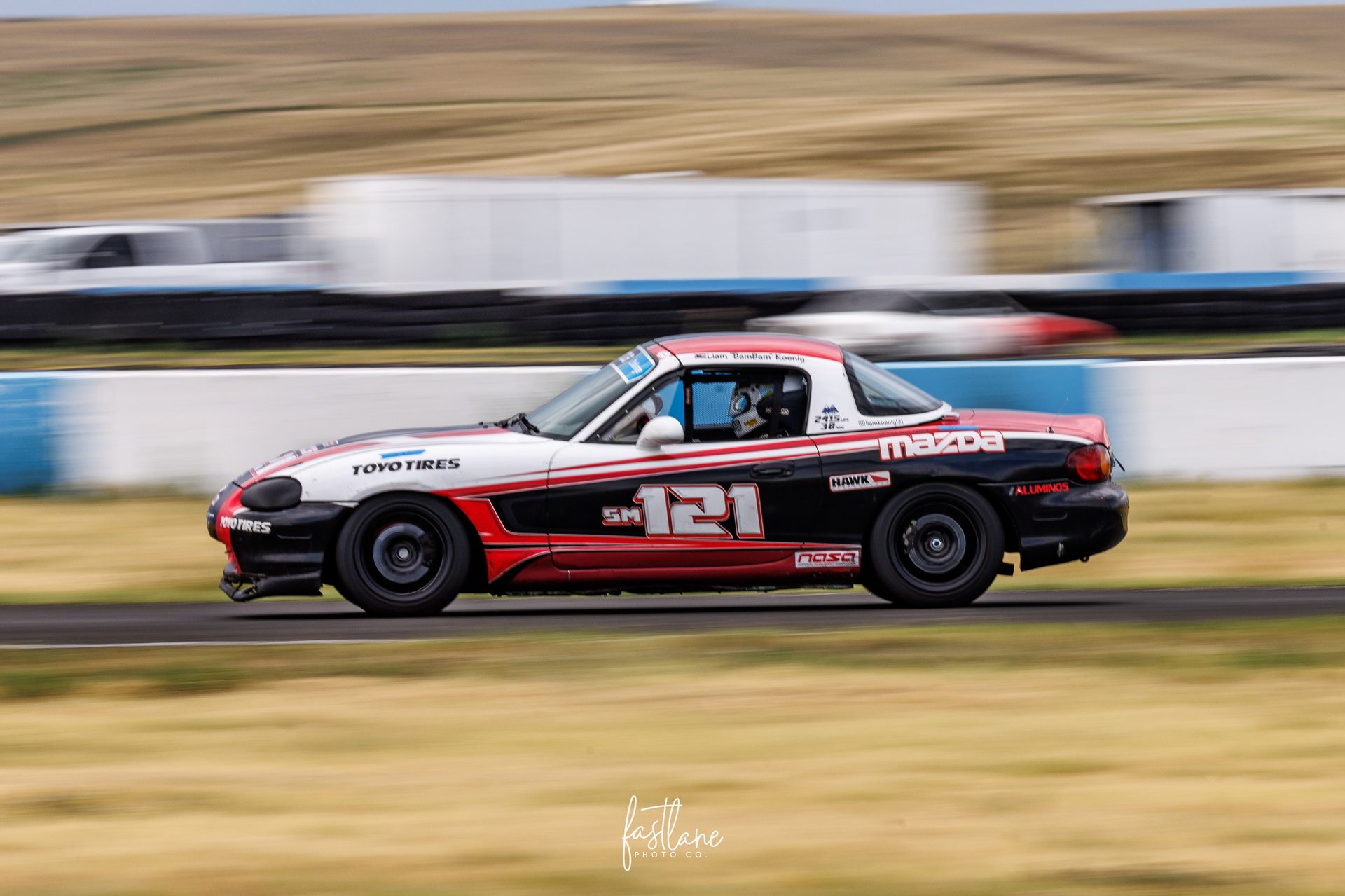 The paddock behind the car is an audience too. It just doesn't show up in a follower count.
Your follower count was never the product
The panic assumes the brand is shopping for reach. At your level, they almost never are.
Watch where creator money is actually moving. In the 2026 Influencer Marketing Benchmark Report, 51.43% of brands said they're expanding work with nano creators and 52.83% with micro creators. Macro was flat — about as many brands cutting back as growing. Nano made up 29.54% of all cost selections, more than any other tier.
That's creator marketing, not motorsports. But it's the same buyer making the same call: small and specific is beating big and vague.
Sponsorship proper is moving the same way. SponsorUnited's 2026 community data tracks 1,615 brands activating 3,612 community assets across 253 properties, with youth initiatives the biggest category at 28% of all assets. What those brands say they're buying is the tell: "year-round engagement," "measurable participation," "locally resonant storytelling," and "renewability."
That's major-league data, not club racing. But nothing on that list says big. It says specific, local, measurable and repeatable.
That's a description of you.
Send the real number, then change the subject
Do not dodge the question. A brand that catches you padding a number will assume you'd pad a deliverable too.
The reply has three moves, in this order:
- Give the real number flat. No hedging, no "reach," no combining platforms to get to a rounder figure.
- Give the one piece of context that makes it mean something. Where they live, how engaged they are, or who they are.
- Pivot to what you're actually selling — which is not the feed.
It reads something like this:
"Straight answer: 312 followers on Instagram, and it's growing slowly. About 70% of them are in the Front Range, which is the part that matters for you. But honestly, the audience isn't the main thing I'd be selling you. The car sits in front of roughly [your honest number] people in person over a race weekend, your logo goes on a car that gets photographed by other people all season, and I can put you in front of my whole paddock. Want me to put a one-page version together?"
Nobody has ever been offended by that email. It's honest, it's specific, and it moves the conversation to ground where you can actually win.
If you're staring at a reply like that and quietly unsure whether it's good enough to send, that's exactly what The Pitch Inspection exists for. Thirty-nine dollars, five business days, and you get your actual email back marked up in writing — plus a rewritten opening you can paste straight in. No car reaches the grid without passing tech. Same principle.
Five things worth more than a follower count
Here's the inventory you already own and probably aren't listing.
1. Geography and density. A brand with one shop in Colorado Springs does not want 40,000 followers spread across the planet. They want the 200 who could drive to them this weekend. Say the percentage. Say the city. That's a targeting stat, and targeting is what they normally pay a platform for.
2. The people who see the car in person. Count it honestly — gate numbers, competitor counts, the crowd at a cars-and-coffee display — and never round up. An honest 400 in-person impressions with you standing next to the car answering questions beats 4,000 scrolled-past ones, and any local marketer knows it.
3. The rooms you can get them into. This is the one racers never sell. You can show up at their shop on a Saturday with the car. You can speak to their staff. You can introduce them to another business in your paddock. That's access, and access has never been measured in followers.
4. Footage and photos they can use. A sponsor with no content team would love a folder of usable race photos and a 30-second clip with their logo in frame. You are, functionally, a small production company that also drives. Grant usage rights in writing and it becomes a real line item on your side of the deal.
5. A trackable offer. A code, a landing page, a QR sticker on the car. The moment a sponsor can count something, your audience size stops being the conversation. This is the single highest-leverage thing a small-audience racer can add to a pitch.
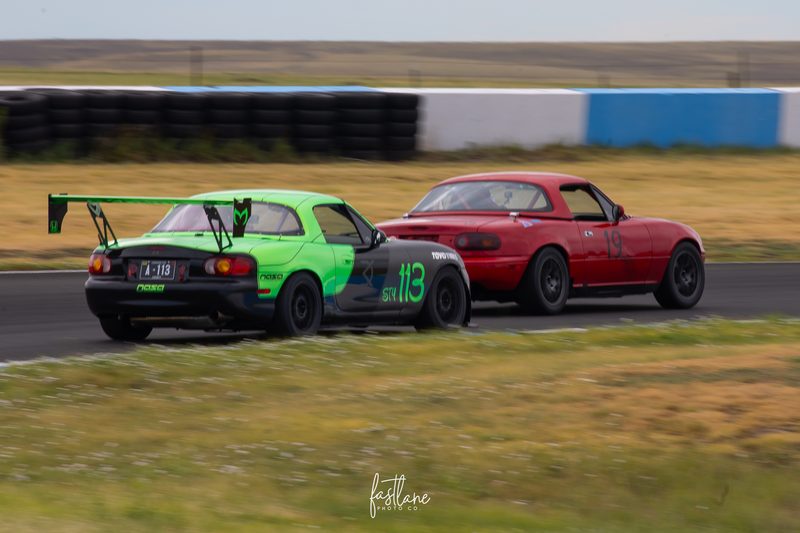 Every weekend generates assets most racers never think to sell — photos, footage, and a paddock full of the exact people brands want to reach.
Building that list into something a brand can actually say yes to is most of the work. The activation menu, the media kit template, the audience-value calculator and the outreach sequences all live inside The First Sponsor System — the same working documents we use to fund our own Spec Miatas. And if your first target is the shop down the street rather than a national brand, our Local-Business Sponsorship Workbook is free and built for that exact conversation.
Three moves that actually kill the deal
- Buying followers. Engagement rate is the first thing anyone checks. A 12,000-follower account with 30 likes a post is a red flag, not an asset.
- Saying "exposure." It's the word that tells a marketer you don't know what you're selling. Name the deliverable instead.
- Padding. Combining platforms into one "total reach" number, quoting story views as followers, using "over 500" when it's 312. You will get caught, usually in month two, usually by someone in the sponsor's marketing team whose whole job is checking.
Almost nobody thinks they're doing any of the three. That's why we read the actual document in The Pitch Inspection instead of asking people to self-diagnose — padding is invisible from the inside and obvious from the buyer's chair.
We wrote a whole post on the three numbers a sponsor wants before your lap times. Not one of them is a follower count.
Price it like a test, not a sponsorship
Small numbers mean a small first ask. That's not a defeat — it's the correct structure.
Brands in 2026 are under real pressure to show sales, not just awareness, as GSIQ's rundown of the year's sponsorship trends puts it. So don't ask for a season. Ask for one event, at a number that's easy to approve, with a written report at the end showing exactly what they got — photos delivered, impressions counted, code redemptions logged.
Local businesses already run this play. Back in BIA's Local Commerce Monitor work, 32.1% of small businesses used community sponsorships, and most reported getting 2 to 19 times their spend back. That's older data and a different sport, but the appetite is real and it has never depended on the property being big.
Do the small deal well and you're not pitching from 312 followers next time. You're pitching with a renewal, a report, and a reference. Which is the point of everything you should be building in the off-season anyway.
The honest truth about your numbers
They're the one asset guaranteed to change.
The 16-year-old with 312 followers and a real story is a better bet for a local brand than a stagnant account with 20,000. Brands know it — that's the entire nano-creator shift. Your job isn't to have big numbers. It's to be specific, be honest, and give them something they can count.
Before you send that reply, get it checked. The Pitch Inspection is $39 — you send us the actual email or proposal, and within five business days it comes back marked up in writing by the team that pitches sponsors for its own race cars, with a rewritten opening and the three fixes that will move your reply rate most. If you'd rather build the whole thing yourself, The First Sponsor System is $67 and hands you every document we use to do it.
Sources: Influencer Marketing Hub — Influencer Marketing Benchmark Report 2026, SponsorUnited — Community Sponsorship Trends 2026, GSIQ — Five Sponsorship Trends for 2026, BIA Advisory Services — Local Commerce Monitor on community sponsorships. Creator-marketing and major-league sponsorship figures are labeled as such — they're the buyer's mindset, not club-racing benchmarks. Everything else is our own experience pitching sponsors for our own cars.
Do you believe?