
The car goes on jackstands. The trailer gets swept out. And most racers quietly stop thinking about sponsorship until spring, when they suddenly need money and start firing off emails.
That gap is the whole problem. The months everybody calls dead are the months the work actually gets done.
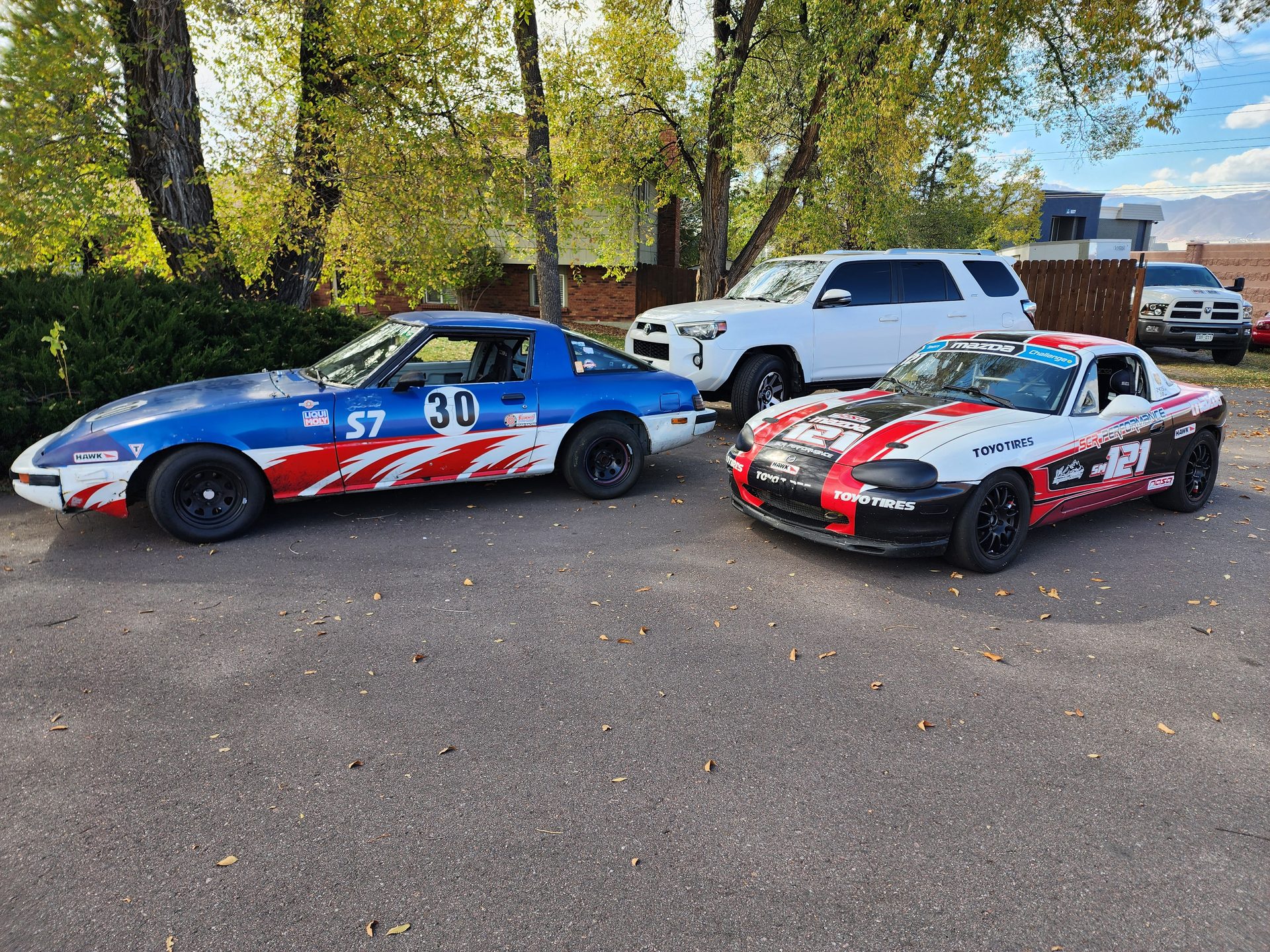 Paddock lineup. In four months this is a cold shop and a quiet inbox — which is exactly when next season gets decided.
Why "dead" is the wrong word
Sponsorship money moves slowly. Slower than most racers believe.
Brent Barootes of the Partnership Group tells properties to keep roughly 50 active prospects in the pipeline, about 10 at each stage, because some deals close in a few months and some close 36 or more months out. He also tells brands not to sign anything less than six months before the operational date, because they need runway to activate it.
Read that from your side of the table. A brand that says yes in March has almost no time to do anything useful with your season. A brand that says yes in December has a plan.
The off-season isn't the wait before the work. It's the work.
We already ranked the best months to pitch racing sponsors — that post owns the calendar. This one is different. This is what has to be in your hands when that window opens, and every item on the list gets built while the car is parked.
1. The season report nobody asked you for
If you had a sponsor this year — even a $500 local shop, even a product deal — you owe them a report. Not because it's in the contract. Because almost nobody sends one.
The Sponsorship Collective's template is five pages: title page, an overview of who your audience actually was, a deliverables chart showing what you promised versus what you delivered, photos as proof, and a thank-you page. They push properties to get it out within 24 hours of the event, and the reason is blunt — the report is what makes the renewal conversation possible.
Include the stuff that didn't happen. If you promised four social posts and did three, say so. A report that admits a miss reads like a business. A report that claims perfection reads like a brochure.
Send it in November. Not February.
2. The asset library, while you still remember
Right now you know which weekend that photo came from. In four months you won't.
Sit down once and build one folder. In it:
- Real on-track photos. A phone shot from the fence is not the same as a photographer's frame. Buy two or three good ones from the shooters who were already at your events.
- Raw video. In-car, pit lane, the tire change, the ugly repair at 11pm. This is next season's content and you can't shoot it in January.
- Your own numbers. Follower counts, best-performing posts, event attendance, the classes you ran and how many cars were in them.
- Logo files. Yours, and every sponsor's, in the right formats.
Half of building a media kit is hunting for files that don't exist yet. Do the hunting now. When you're ready to assemble it, how to build a racing sponsorship media kit walks through what actually goes on each page.
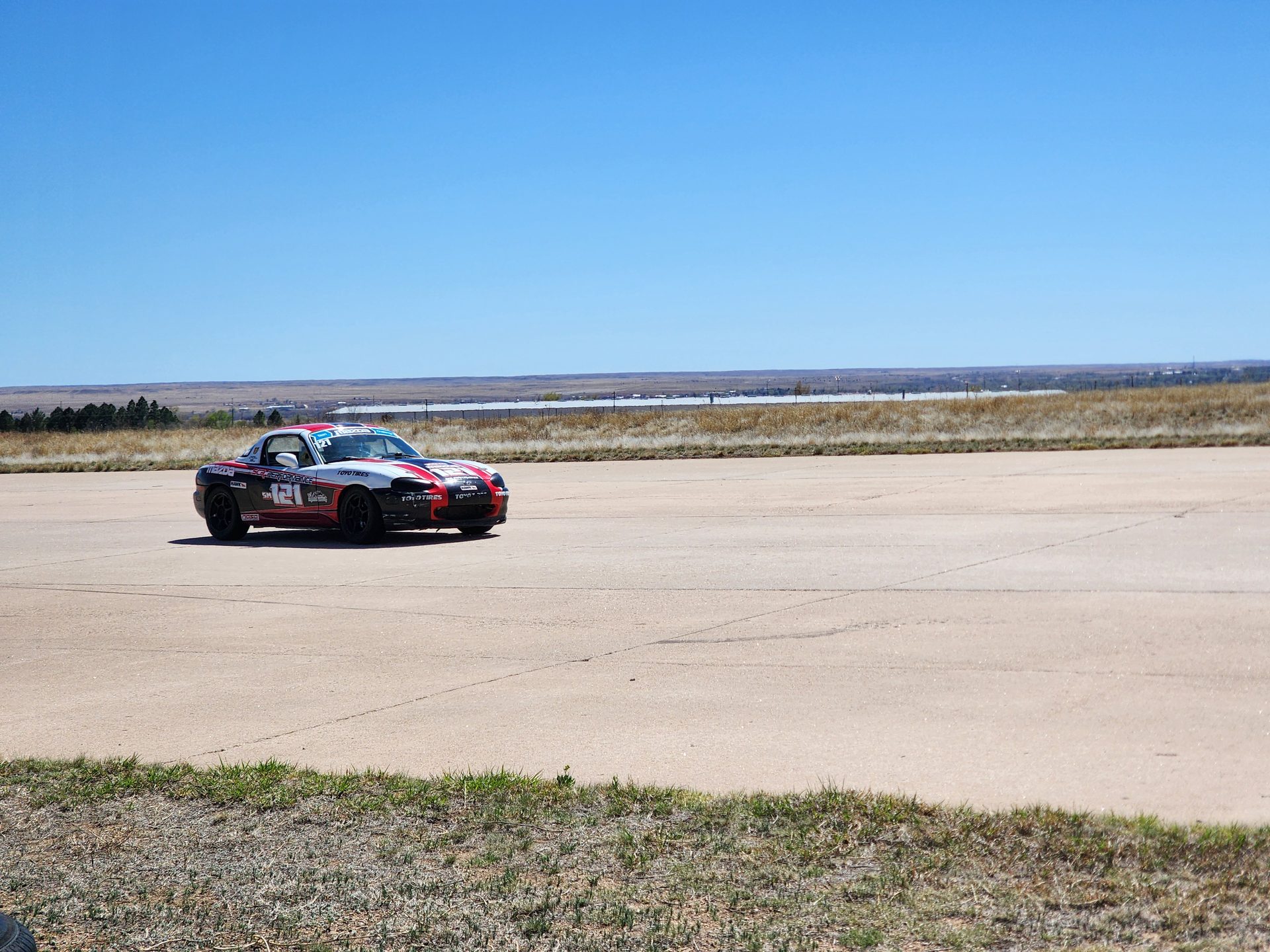 This is the kind of frame that ends up on page one of a media kit. You cannot create it in December — you can only have collected it in August.
3. A prospect list of 50, not 5
This is where most grassroots pitching dies. Not the email. The list.
Apollo's 2026 benchmark for a well-run cold outbound campaign is a 3 to 5 percent reply rate, with 10 percent counting as excellent. Do that math on five prospects. You send five emails, you get zero replies, and you conclude that sponsorship doesn't work for guys like you.
It works. Your sample size was five.
So the off-season job is research. Pull 50 real names. Local shops, regional brands, suppliers your team already buys from, companies whose customers look like your paddock. Get the actual human's name and role, not info@. Note one specific thing about each of them — a new location, a product launch, a hiring push — because that specific line is what separates your email from the AI-generated slop everyone's inbox is drowning in right now.
That's slow, unglamorous work. It's also the single highest-leverage thing you can do in December.
If you'd rather not guess at whether the pitch you're about to send to those 50 people is any good, that's what The Pitch Inspection is for. It's $39, and we mark up your actual email or proposal in writing — a rewritten opening you can paste straight in, plus the three fixes ranked by impact. Sending it before the fall window opens costs a lot less than burning your best 50 names on a pitch that was never going to land.
4. This year's pitch, not last year's
Open your media kit. Look at the dates.
If it says 2025 anywhere, it's dead. If the follower count is old, it's dead. If the "upcoming season" section describes a season that already happened, it's worse than dead — it tells a brand you weren't paying attention.
Rewrite it in the off-season with this year's real results, this year's real audience numbers, and next year's confirmed schedule. Then build the shorter version too: a one-page PDF you can attach without asking someone to read twelve slides.
And write the follow-up sequence while you're calm. Most replies come after the second or third touch, not the first. Deciding what your third email says before you're anxious and staring at silence is the difference between a professional cadence and three needy messages in a week.
The off-season is also the only time of year you can get that pitch checked without losing a window. Nothing is on the line in December. Send it through The Pitch Inspection then, fix what comes back, and walk into fall with a pitch that's already been through tech.
5. Proof that you existed all winter
Here's the part that stings a little. A brand that gets your January email is going to look you up. What they find is whatever you posted between November and then.
An account that went silent for four months and woke up asking for money tells a specific story. An account that showed the engine coming apart, the fresh paint, the sim sessions, the kid you coached — that tells a different one.
You don't need a production crew. You need the raw video from item two and a habit. Shop work, honest updates, one thing you learned. That's it.
This is also the moment to keep your existing partners warm, which is a separate discipline from reporting. We covered the cadence in what to send a sponsor mid-season, and the off-season version is the same idea at a slower pace: they should hear from you when you don't need anything.
Your January deadline
Work backwards. If you want a logo on the car for round one, the conversation has to start months before it, and it has to start with material that already exists.
Five things. A season report sent in November. An asset folder built while the memories are fresh. Fifty researched names. A rewritten kit and one-pager. And a footprint that proves you didn't disappear.
None of that requires a race weekend. All of it requires the months everyone throws away.
If you want the whole thing in order — the prospect research method, the target list, the templates, the pricing worksheet, and the contracts module — The Get-Funded System is $67 and it's the off-season plan in one place. And if you've already got a pitch written and you just want to know whether it's good enough to send, put it through The Pitch Inspection for $39 before you spend your best names on it.
The season's over in a few weeks. The work isn't.
Do you believe?
Sources: Partnership Group — Know the Sponsorship Sales Cycle, The Sponsorship Collective — Super Simple Fulfillment Report Template, Apollo — What's a Good Cold Email Reply Rate in 2026, Blayze — Mastering Off-Season Racecar Preparation. Reply-rate figures are general B2B cold-email benchmarks, not motorsport-specific — no published grassroots-sponsorship reply-rate benchmark exists that I could verify. Everything else here is standard sponsorship-sales practice plus how we run our own off-season. No LFR customer, sales, or survey data is claimed anywhere in this post.