
Count how many times your sponsor has heard from you since the check cleared. For most racers, the honest answer is once. Maybe twice, if you tagged them.
Then in October you send the "so, about next year" email and wonder why it goes cold. It went cold in June. You just didn't feel it happen.
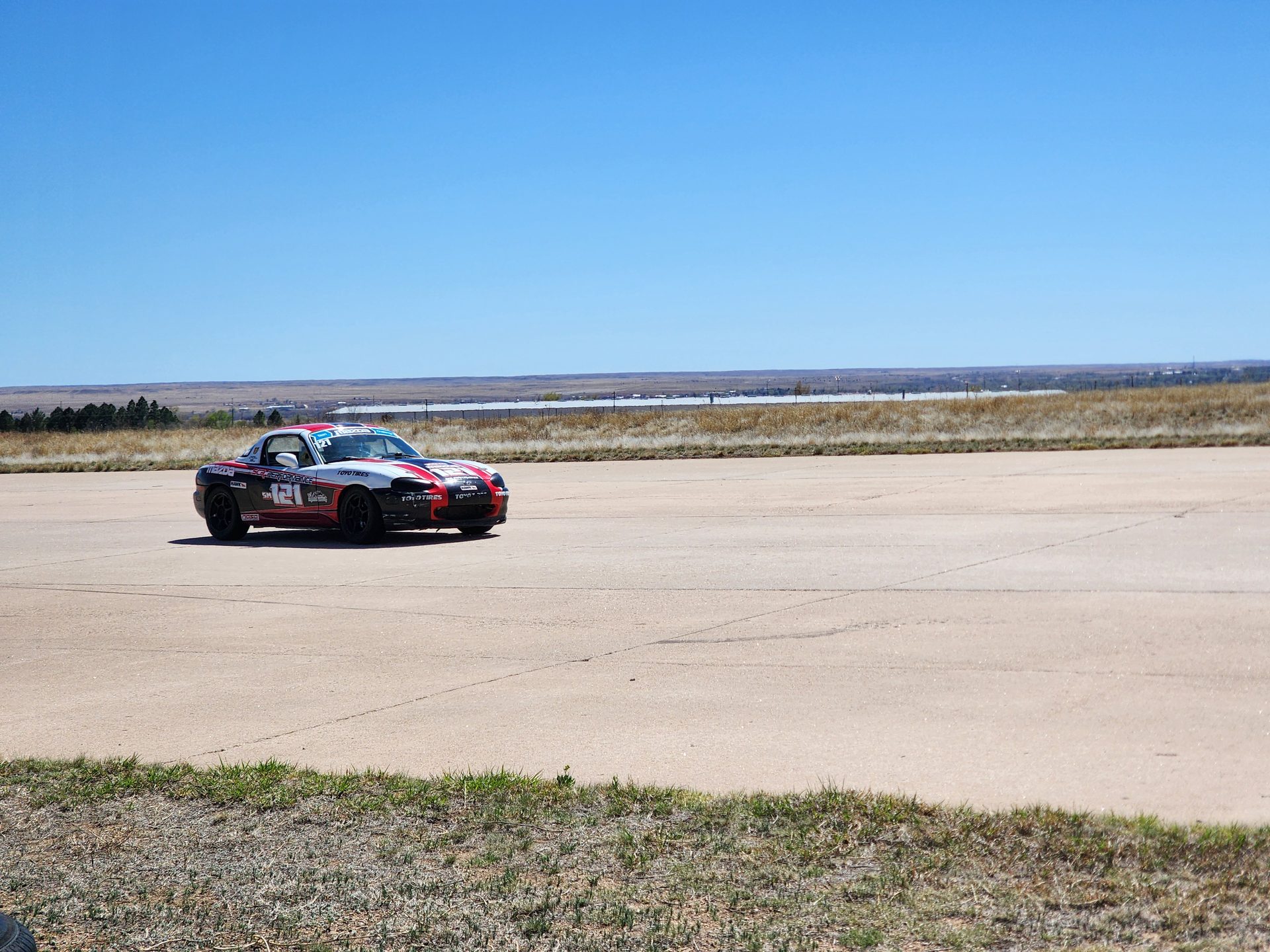 The #121 on track. This is the kind of shot a sponsor can actually use — and almost nobody sends it. Photo: LeadFoot Racing.
Sponsors don't quit because you were slow. They quit because you were quiet.
There's a pattern in the sponsorship world that has nothing to do with racing, and it explains almost every non-renewal at our level.
PCMA's Convene survey found that while 90% of organizers sell sponsorships at their biggest event, only about a third of those deals include any year-round activity. The relationship is built around one transaction. Everything after it is silence.
Pheedloop's writeup of sponsor retention puts the consequence bluntly: most sponsors who don't renew didn't have a bad experience. They had a bad reporting experience — nothing they could use to justify the spend internally.
Your sponsor isn't grading your finishing position. They're trying not to look dumb for signing you.
That's the whole opening. The bar to be the best partner a local brand has ever had is embarrassingly low. It's five sends across a season, and none of them take an hour.
We packaged the templates and the tracker for all of this into The Get-Funded System — the $67 kit — because in-season follow-through is the part that decided more of our own partnerships than any pitch ever did. But you can run the whole cadence below for free starting this weekend.
The five sends
1. The 48-hour race recap (one page, every event)
Within two days of the checkered flag, one page hits their inbox. Where you finished. One thing that went wrong, honestly. Three photos. One number — reach, impressions, or story views from the weekend.
Two days matters. Send it a month later and you're a chore. Send it Monday and you're the racer who's still buzzing.
2. The asset drop nobody else sends
This is the one that changes relationships. Once a month, send a folder of clean, unwatermarked photos and short video clips of their logo, their product, and your car — and tell them they can use any of it however they want.
Brands are starved for content. Their marketing person has a calendar to fill and a budget that doesn't cover a photographer. You just filled a week of their feed for free.
Nobody at your local shop is expecting that. They'll remember it in budget season.
3. Proof you actually use the product
If a sponsor gives you product instead of cash, they're gambling that you'll be a believable user of it. Show them they were right.
We run Engine Ice in our cars and Les Schwab mounts our tires. So the photo isn't a logo on a fender — it's coolant going into a hot engine between sessions, or a stack of takeoffs on the rack. That's a photo their brand team can post with a straight face.
Product-in-use beats decal placement every time. I broke down the full menu of what that's worth in what a race team actually delivers for $2,500.
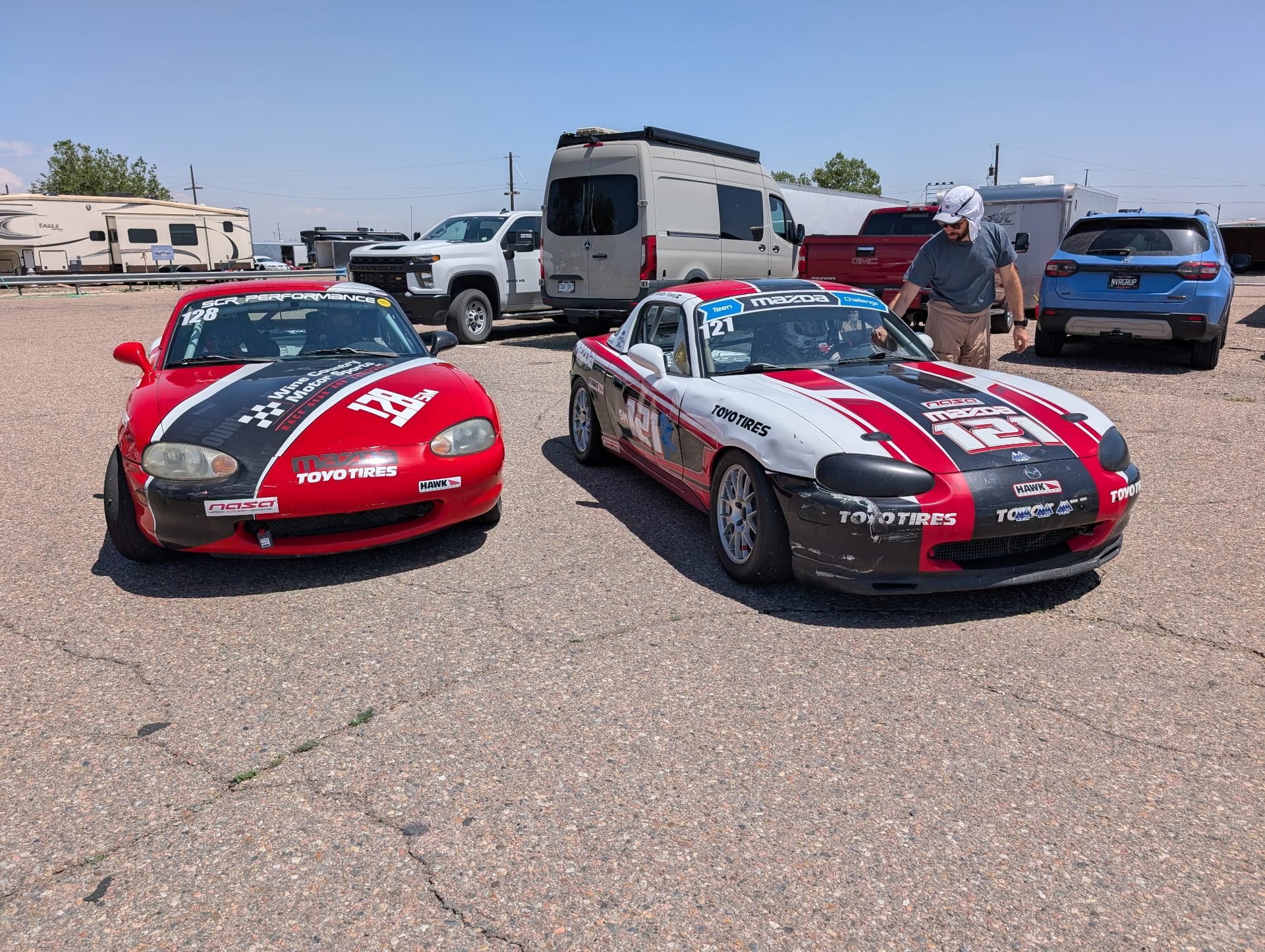 Mid-season is where renewals are won — in the boring weeks between race weekends. Photo: LeadFoot Racing.
4. The mid-season check-in call
Halfway through the season, ask for fifteen minutes. Not to sell. To ask two questions: is this working the way you hoped, and what would make it more useful?
SponsorCX makes the case for exactly this: mid-campaign reporting is where the advantage lives, because if you wait until the end of the season to review performance, you've lost the ability to fix anything. Run the review while there are still races left.
That call also surfaces the quiet problem before it becomes a no. Maybe they wanted employee ride-alongs and never asked. You can still deliver that in September. You can't deliver it in December.
5. Something with no ask attached
One touch per season that isn't business. A paddock pass for their kid. A photo of your driver holding their product with a handwritten thank-you. An intro to another racer or business that could help them.
No metrics. No invoice. Just a reason to like working with you.
What actually goes in the report
Racers overbuild this. The Sponsorship Collective's guidance on fulfillment reports is simple and it's the standard I'd hold to: photos, audience breakdown, social and web traffic stats, and every deliverable you promised in the contract — listed and marked delivered.
That last line is the one that gets skipped and the one that matters most. A checklist of promises kept, in writing, is what your contact forwards up the chain when finance asks what the racing money bought.
If writing that from scratch sounds like a Sunday you'd rather spend at the track, the fill-in-the-blanks version is already sitting in The Get-Funded System. Same report we send.
Here's the cadence on one screen:
| When | What you send | Time it takes |
|---|---|---|
| 48 hours after each race | One-page recap: result, one honest problem, 3 photos, 1 metric | 20 minutes |
| Monthly | Asset drop — usable photos and clips, free to use | 15 minutes |
| Ongoing | Product-in-use proof shots | 0 extra, shoot it at the track |
| Mid-season | 15-minute check-in call | 15 minutes |
| Once a season | A gesture with no ask attached | Varies |
| Season end | Full fulfillment report + next-year conversation | 1 hour |
Then the renewal isn't a pitch
SponsorCX puts it as well as I've seen it put: by the time the contract end date shows up on the calendar, the decision has already been shaped by months of experience — or months of silence.
Do the five sends and the October email stops being an ask. It becomes a summary of a year they already enjoyed, plus a plan for a bigger one. The negotiating side of that conversation is its own skill, and I walked through it in how to negotiate sponsorship renewals.
If you want the recap template, the fulfillment-report format, the deliverable tracker, and the outreach that landed the deal in the first place, that's the whole of The Get-Funded System — $67, built by a team that's still out here loading a trailer, not by someone who read a book about sponsorship.
And if you've got a renewal proposal already written and real money riding on it, don't guess. Proposal Review is $147 for a line-by-line teardown of the actual document before you send it.
Most racers spend the off-season hunting for a new sponsor. Spend this season keeping the one you have, and you'll never have to.
Do you believe?
Sources: Pheedloop — Why Your Best Sponsors Don't Renew (citing PCMA's Convene survey), The Sponsorship Collective — How to Renew Your Sponsors Every Year, SponsorCX — The Sponsorship Renewal Playbook, SponsorCX — How to Measure Sponsorship Effectiveness and ROI. Figures verified against these published sources as of August 2026. No LFR customer, sales, or survey data is claimed anywhere in this post — the team examples are our own real sponsors and practices.