
Nobody is going to hand you a free track day because you asked nicely. But several clubs will hand you one because you earned it, and they publish the exchange rate right on their websites.
That's the part almost nobody tells new drivers. Free seat time isn't charity. It's a trade.
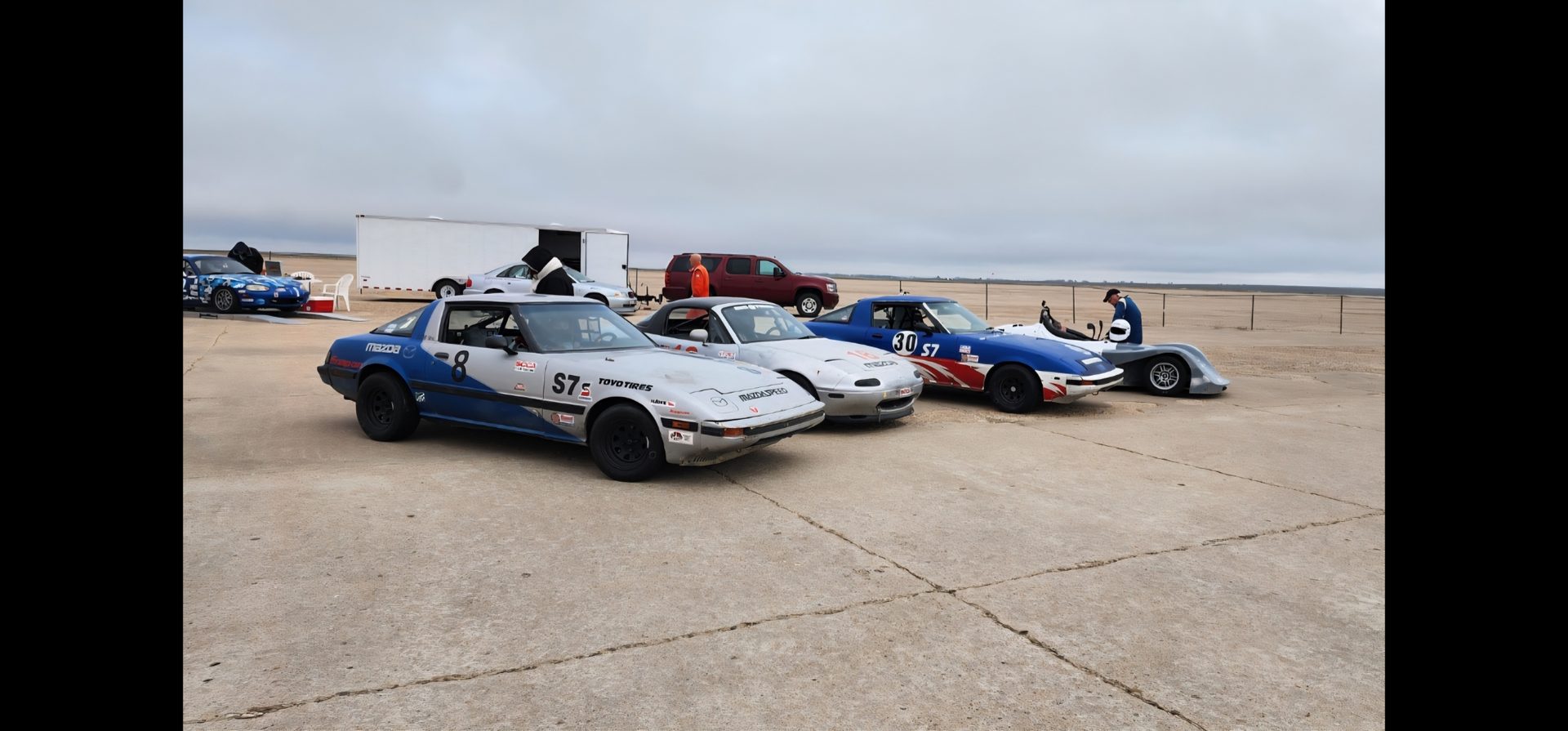 Most of a race weekend happens outside the car. That's exactly where the free seat time is hiding.
The trade you're actually making
Every club event you've ever wanted to enter needs a small army to run. Corner stations. Grid. Tech. Timing and scoring. Registration. Somebody in race control.
Colorado Region SCCA alone lists eleven separate volunteer specialties, from flagging and communications to scrutineering to sound control. None of those jobs pay a salary. All of them are required for the green flag to wave.
So clubs pay in the only currency they have a lot of: entries, meals, memberships, and access.
You're not begging. You're filling a job that has to be filled. Understand that and the whole thing stops feeling awkward.
Corner working is the most direct path
This is the one with real published numbers.
NASA's Southeast region states it plainly: after working two weekends, you can drive your own car in HPDE or racing for one weekend free. Volunteer roles that count include pit and grid, starter, corner worker, tech inspection, race control, timing and scoring, and event registration.
The details matter more than the headline:
- You can bank the credits. Save them until you're ready — or until the car is.
- They're transferable. You can hand them to someone else, including a spouse.
- They expire two years from issue, so don't sit on them forever.
- Every weekend you work includes meals — lunch daily and a Saturday night dinner.
That's roughly a 2-to-1 exchange rate on your weekends. Two given, one earned.
SCCA works differently and I don't want to oversell it. The national Volunteer Incentive Program pays in membership discounts, not entries: 4-5 days worked earns $15 off, 6-7 days earns $22, 8-11 earns $30, and 12 or more earns $45 plus a commemorative ID card. Time Trials and track events aren't eligible for that credit anymore.
Individual SCCA regions layer their own perks on top. Colorado Region advertises free lunch every day, a free Saturday night dinner, and club swag. Some regions elsewhere hand Time Trials volunteers actual track time.
Before you commit a weekend, email the region and ask exactly what a worker earns. The answer varies by region, and the published page doesn't always tell the whole story.
Instructing is the long game with the best payoff
Most clubs let HPDE instructors drive for free as payment for coaching their students. That's the best deal in amateur motorsport, and it's also the hardest one to reach.
You need a few years of HPDE experience, real vehicle control, and the ability to explain what you're doing to a nervous stranger at 90 mph. You don't have to be the fastest driver at the event. You do have to be reliable, because your student's entire day depends on you showing up.
The move is simple. Find your club's chief instructor. Tell them you want to work toward it. Ask what you need to fix first. Then go fix it.
That's a two-or-three-season plan, not a this-month plan. Start it anyway.
The routes that buy access, not laps
Some paths get talked about as "free track time" when they're really something else. Being honest about the difference saves you a wasted season.
| What you do | What you actually get | How fast |
|---|---|---|
| Corner work / race work | Entry credits, meals, membership discounts | 2-3 weekends |
| HPDE instructing | Free entries, ongoing | 2-3 seasons |
| Crewing for a team | Paddock access, education, relationships | Immediate |
| Working at a race shop | Skills, network, occasional test-day seat | Months |
Crewing will not put you in a car this weekend. What it does is put you in the paddock, holding a torque wrench, standing next to the people who decide who drives. Seats in this sport get offered to people who are already there and already useful.
Walk our paddock on a race weekend and you'll meet people who started by holding a jack. That's not a promise of a drive. It's just how small teams tend to work.
Cheap beats free when free is eight months away
If your goal is laps this season, a few small checks beat waiting for credits to stack up.
Autocross. Real seat time, real car control, no bodywork risk. Regional SCCA Solo entries typically run about $30 to $55 depending on the region, plus roughly $20 for a weekend membership if you're not a member. That's less than a tank of gas for most people's tow rig.
Split a lapping day. High Plains Raceway's open lapping runs $219 for a full summer day. Bring a co-driver and swap sessions, and you're each in for about $110. Sharing a car is the single most underrated cost lever in this sport. Our track day cost breakdown has the rest of the math, and how HPDE run groups work explains what you're signing up for.
Sim time. Not a substitute for the real thing. Still the cheapest way to learn a track's braking points before you pay for the pavement.
And if you'd rather fund the seat than trade weekends for it, that's a real option too. We built a free Local-Business Workbook for exactly this — the shop down the street that already sponsors a Little League team is a far more realistic first check than any national brand.
What I'd actually do, in order
If I were starting today with no budget and no connections:
- Email your local NASA and SCCA regions this week. Ask what a first-time worker earns.
- Work two weekends. Take the meals. Learn every flag.
- Enter one autocross while your credits build.
- Tell one team in the paddock you'll carry tires for free.
- Cash your credits on an HPDE, then tell the chief instructor you want to instruct someday.
That's a full season of momentum for close to nothing but weekends. It's slower than writing a check. It's also how a lot of us actually got here, and you'll understand the sport better than the guy who bought his way in.
Skip the research and go straight to funding it: The Get-Funded System hands you the sponsor list — real companies that back grassroots racers, and the angle in on each one — for $67.
Sources: NASA Southeast — Drive for Free, Colorado Region SCCA — Worker Zone, Southwest Division SCCA — Volunteer Incentive Program, No Money Motorsports — Become an Instructor, High Plains Raceway — Open Lapping Days. Autocross entry ranges reflect current regional SCCA Solo listings on MotorsportReg and vary by region. Volunteer benefits differ region to region — always confirm with yours before you commit a weekend.
Do you believe?