
You climb out of the car. It's off the racing line, nose in the tire wall, and there's a company's logo staring back at you from a bent fender. Your stomach drops harder than it did in the corner.
The crash isn't the scary part. The phone call is.
I've been on both sides of that call. I've made it, and I've had drivers make it to me. Here's the honest truth nobody tells you: how you handle the next 24 hours matters more to the sponsor than the crash itself.
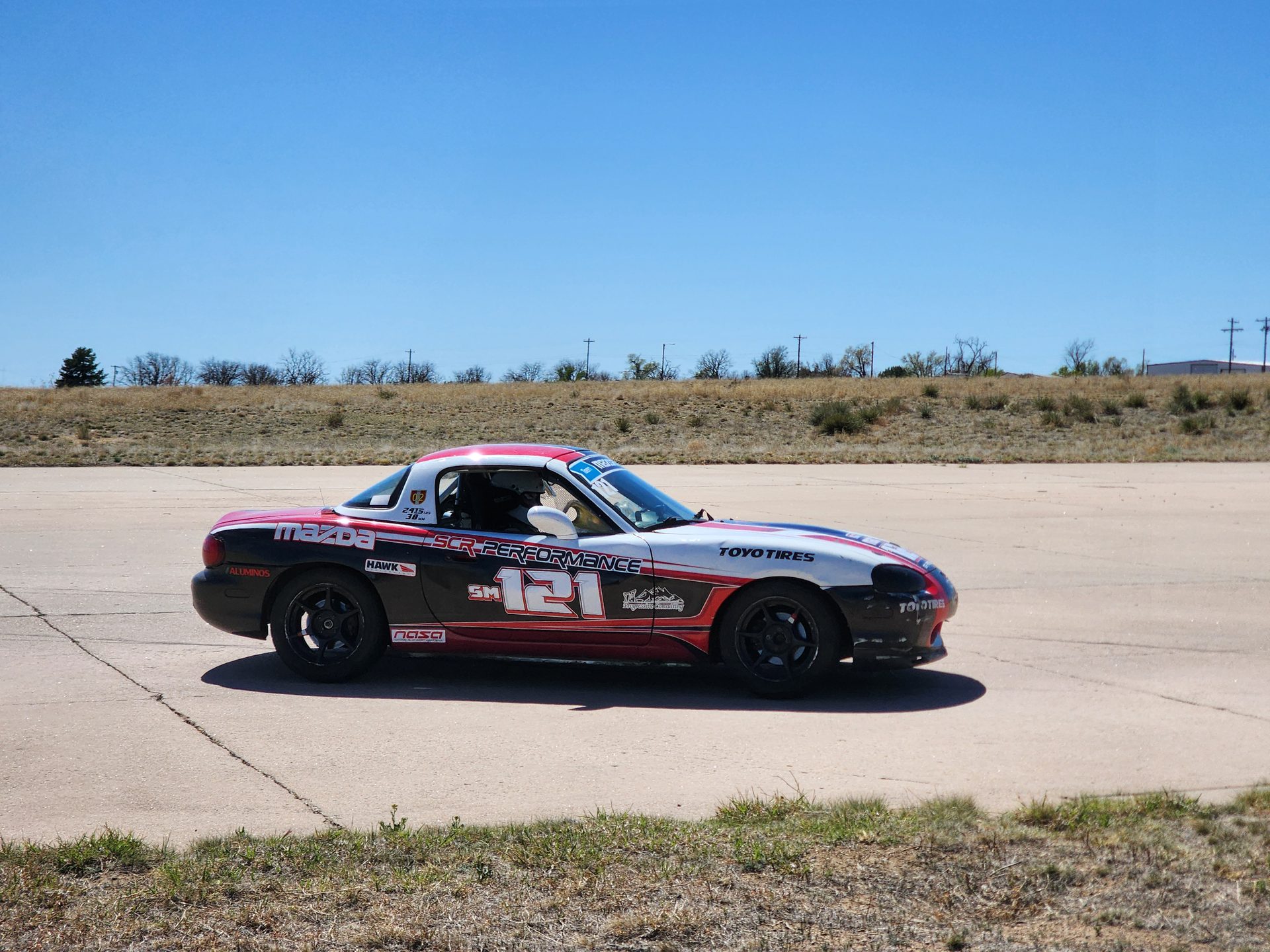 Every logo on this car is a relationship. A bent fender doesn't have to end one.
First, Get the Facts Straight (Before You Say Anything)
Do not call your sponsor from the car. You're full of adrenaline and half the story.
Take a breath. Check yourself for injuries. Then figure out three things before you talk to anyone but the corner workers and your crew:
- What actually happened — the honest version, not the version that protects your ego
- How bad the damage is — repairable this weekend, or done for the season
- Who pays for it — this is the part most young racers get wrong
That third one matters. In almost every case, the sponsor does not pay for the repair. A sponsorship is a marketing deal, not an insurance policy. The car is your responsibility, or the team's, covered by racing insurance or out of your own pocket.
Most real sponsorship agreements even spell this out. They include an indemnification clause — plain English, that means you protect the sponsor from any cost or claim tied to the car. So when you make the call, you're not asking them for money. You're keeping them informed. That's a very different conversation, and it's a much easier one.
If you don't fully understand what your agreement says about damage and liability, that's worth fixing before your next race, not after. I walk through the clauses that actually protect both sides in The Ultimate Sponsorship Blueprint — the damage and indemnification language is the part racers skip and regret.
Make the Call. Don't Send a Text and Hide.
The single worst thing you can do is go quiet.
I've watched drivers crash on Saturday and then post nothing, say nothing, and hope the sponsor never notices. They always notice. And silence tells them something far worse than a crash ever could — it tells them you disappear when things go wrong.
The people who cover sponsorship for a living say the same thing. As one privateer racing writer put it plainly: if the weekend didn't go well, do not disappear. Explain what happened, what you learned, and what comes next. Crashes, mechanical failures, and bad results are part of racing. Every sponsor with any experience knows that.
What damages the relationship is silence. Not the wall.
So pick up the phone. A call beats a text, and a text beats nothing. Do it the same day if you can.
The Script That Actually Works
Keep it short and keep it honest. Here's the shape of it:
- Lead with the facts. "I put the car into the wall at turn 5. I'm fine, nobody else was involved."
- Own it without drowning in it. "I got greedy on the brakes trying to make a pass. That's on me."
- Say what's next. "Damage is a bent fender and a control arm. We'll have it repaired for the next round."
- Reassure them on the part they care about. "Your branding is intact and I've already got photos from earlier in the weekend."
That's it. Notice what's missing — excuses, blame, and a wall of technical detail they don't need.
Sponsors don't expect you to be perfect. They expect you to be a professional when you're not.
One more thing most racers forget in the moment: your sponsor invested in a story, and a comeback is a better story than a clean weekend nobody remembers. Frame it that way, honestly, and you've turned a bad day into content.
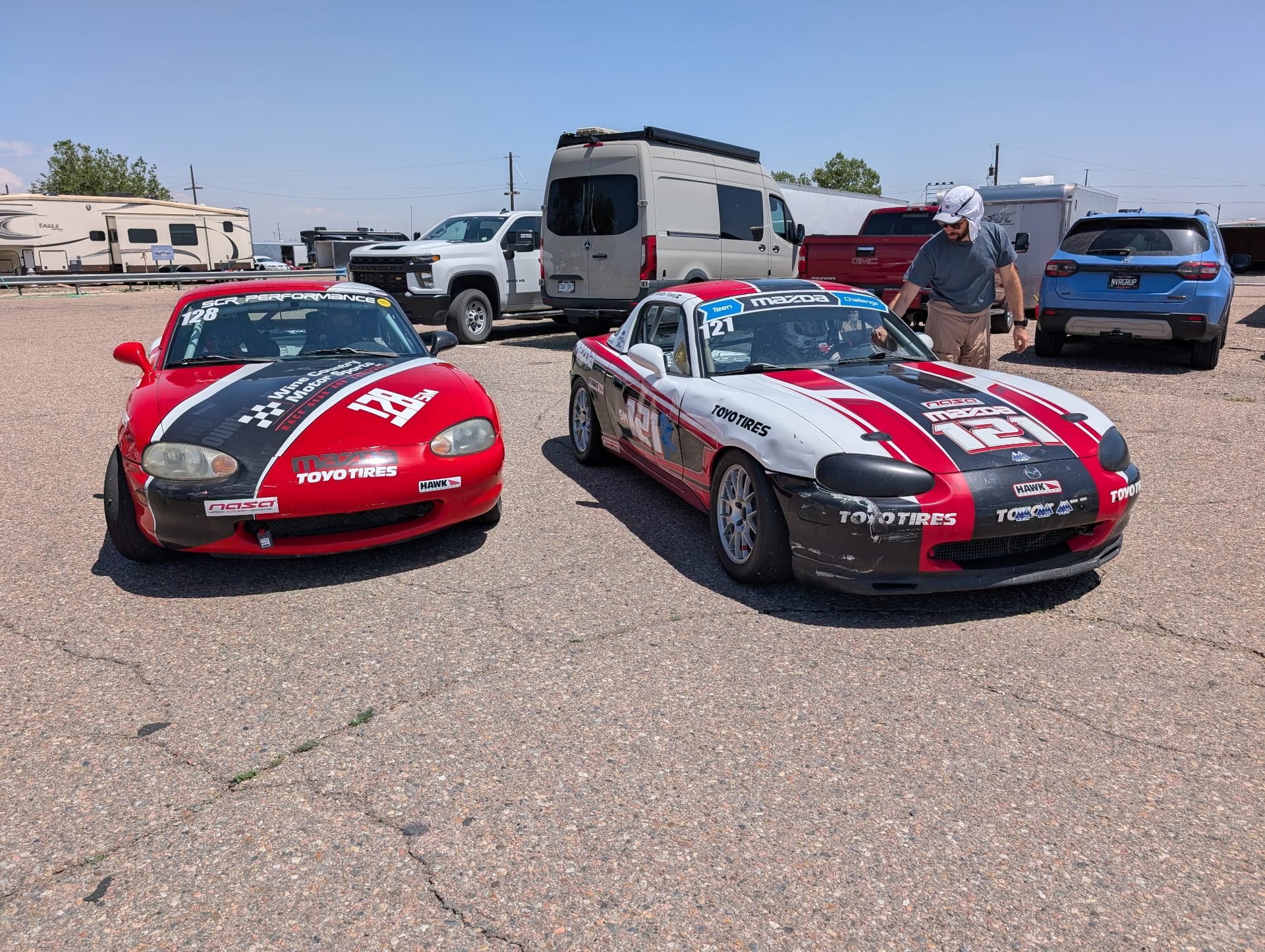 The paddock at the end of the day. This is where you make the call — before the story tells itself for you.
Turn the Crash Into a Deliverable
Here's where good drivers separate from great partners.
A crash is content. Not the wreck itself, necessarily, but the honesty around it. A short, real post — "Tough one today. Here's what happened and here's how we come back" — often outperforms a podium photo. People connect with the comeback, not the trophy.
Tag your sponsor in that post if it fits the tone. Show that their logo was on a driver who owned a hard moment with class. That's a brand association plenty of companies would pay extra for.
Then follow up with a proper weekend report a few days later. Keep it honest and useful: what happened, what you learned, the results, the standings, photos with their branding, and what's coming next. Consistent reporting after a bad weekend builds more trust than any win. I broke down exactly what goes in one over in how to write a race recap sponsors will actually share.
And if you're worried about who covers the repair bill, read what racing insurance actually covers before your next race — because the answer surprises most drivers, and it's rarely the sponsor.
What Not to Do
A few fast ones I've learned the hard way or watched others learn:
- Don't blame another driver publicly. Even if they hit you. It reads as making excuses, and stewards sort out fault, not your Instagram story.
- Don't over-promise the repair timeline. "Back next round" only if it's true.
- Don't go dark for a week and then resurface like nothing happened. The gap is what they remember.
- Don't ask the sponsor to cover the damage. Unless your written agreement specifically says so, that's not the deal, and asking can sour it fast.
Handle it right, and a crash can actually strengthen a partnership. I've had sponsors re-sign the year after a rough season specifically because they trusted how we communicated when it counted.
When It's Bigger Than a Bent Fender
Sometimes it's not a fender. Sometimes it's a season-ending hit, a totaled car, or a sponsor who's genuinely upset. Those calls are real, and there's no perfect script for them.
If you're staring down a situation like that and you don't want to guess your way through it, that's exactly the kind of thing worth talking through with someone who's been there. A 1:1 strategy call is built for the specific, messy, "here's my exact situation" moments — including how to save a relationship that's on the ropes.
Because the goal was never to avoid every crash. You can't. The goal is to be the kind of driver a brand wants to back through the crashes.
Do you believe?
Sources: The Race Is Over. Your Work for Your Sponsors Is Not — The Privateer's Story, Special Report: Successful Sponsor Relationships — Performance Racing Industry, Who Insures Race Car Drivers and Their Cars? — HowStuffWorks. Contract and indemnification points reflect standard race-sponsorship agreement structure; verify your own agreement's language. Advice on communication and repair responsibility reflects these sources plus my own racing experience as of September 2026.