
Most sponsors find out how your race weekend went the same way a stranger does. They scroll past a photo on Sunday night, guess at the result, and move on.
That's a miss. The recap you send after a weekend is the single easiest deliverable in your whole partnership, and it's the one that quietly decides whether you get renewed.
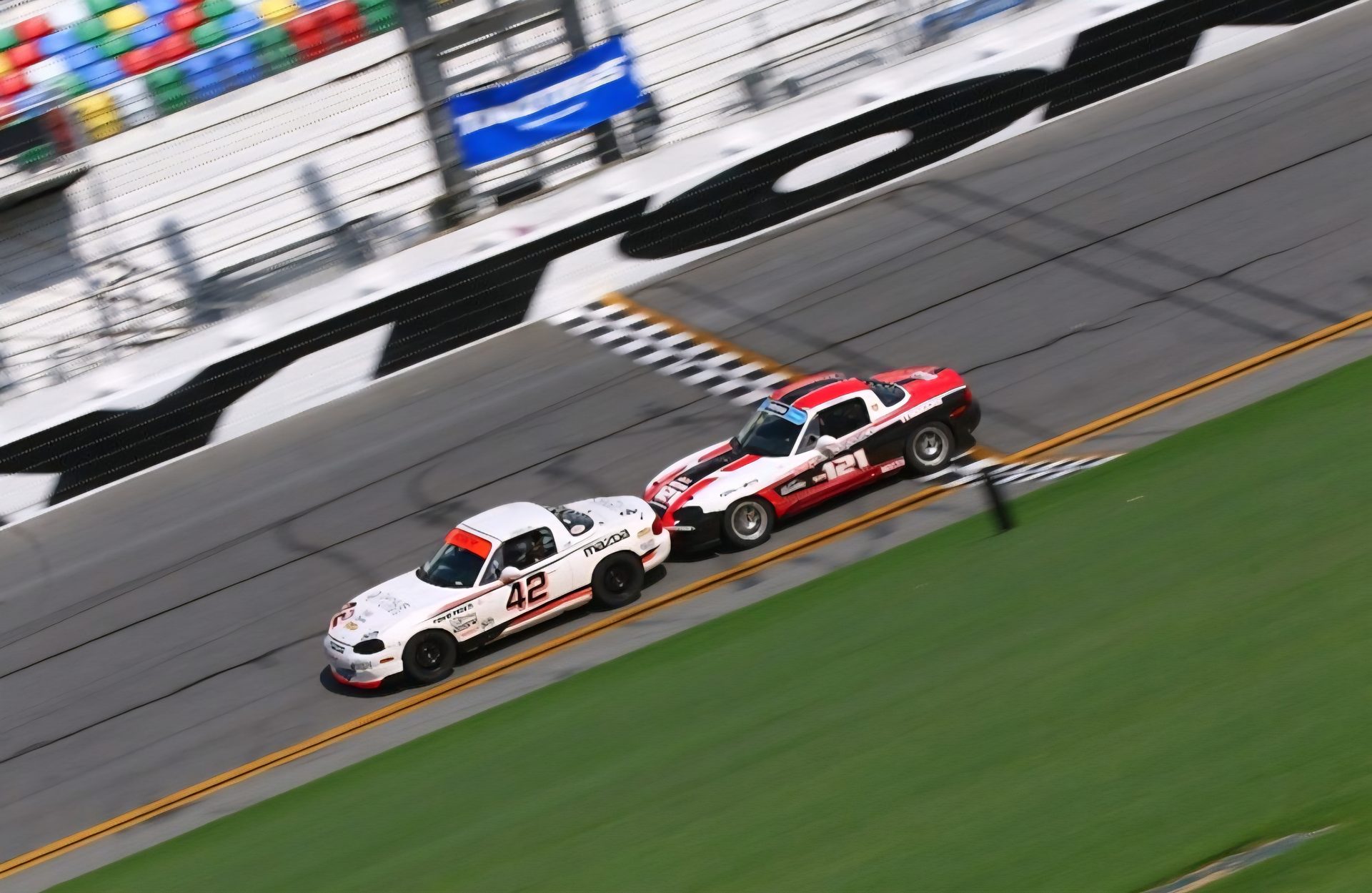 A weekend like this produces the raw material for a recap. You just have to send it. Photo: LeadFoot Racing.
A recap isn't a diary. It's a deliverable.
Here's the mental shift. You're not writing about your weekend. You're handing a marketing person something they can use before their coffee gets cold.
Whoever signed your deal has to justify it internally. Your recap becomes their website post, their newsletter blurb, their social content, their slide in a quarterly review. Motorsport marketing agencies describe the same thing from the brand's side: one weekend should turn into several pieces of content for the sponsor.
Your sponsor should not have to scroll Instagram or look up race results to find out how the weekend went. Send it to them.
That line is straight from a privateer racer writing about post-race obligations, and it's the whole job in one sentence.
Send it in 48 hours, not next week
Recaps have a shelf life. A good rhythm looks like this:
- Within 24 hours — a short thank-you and the result. Two or three sentences. Text or email, whatever channel you already use with them.
- Within 48 hours — the full recap, posted somewhere public and emailed directly to every sponsor.
- Within 72 hours — the same recap out to local media, your series, and any industry outlet that covers your class.
- The following week — repurpose it. Clips, a photo carousel, a longer story on your site.
Monday is when their marketing person plans the week. If your recap lands Tuesday night, it competes with whatever they already scheduled. If it lands Monday morning, it becomes the schedule.
The six blocks of a recap that gets used
Keep the whole thing under 400 words. Nobody at a sponsor is reading a 1,200-word essay about your qualifying lap.
1. A title that isn't "Race Report"
Name the storyline. "Fifth to second in eight laps at High Plains" tells someone what they're about to read. "Round 3 Race Report" tells them nothing, and it's why most race reports die unread.
2. The lede: result plus one storyline
Two sentences. Who drove, what car and class, which track and series, where you finished, and the one thing that made the weekend interesting. That's it.
3. The weekend in three beats
Practice, qualifying, race. One paragraph each, and give each one a number. Two tenths found overnight. Gridded seventh. Passed four cars in the opening lap. Numbers are what make a recap feel like a real report instead of a hype post.
4. The sponsor paragraph
This is the block everybody skips, and it's the block they're paying for.
Don't write "thanks to our partners." Write the specific, true sentence about what their product actually did. If a coolant kept temps in range through a hot session, say that. If a shop mounted and balanced your tires Thursday night so you could load Friday morning, say that. The rule is simple: it has to be specific, and it has to be true. Made-up praise is worse than no mention at all, because sponsors can tell.
5. One quote they can pull
Write yourself a single quotable sentence in first person. Real, not a cliché about giving 110 percent. Media outlets and brands both build posts around quotes, and if you don't supply one, they'll skip you for a team that did.
6. What's next, and one link
Next race, next date, and the one link you want clicked. That's your close.
The photos are the part they actually use
Words get skimmed. Photos get posted.
Send five to eight images, not a folder of 200. A dump of everything is the same as sending nothing, because now the sponsor has to do the work of choosing.
What to include:
- Two or three high-resolution action shots where the logo is actually readable
- One pit or paddock shot with people in it
- One product-in-use shot if their product lives on the car
- At least one vertical crop for stories and reels
Then add the line that makes it legally easy: name the photographer, and state in writing that the sponsor is clear to use the images on their channels with credit. Agencies handling brand-side motorsport deals flag permission and credit as the thing that stalls sponsor content, and it costs you one sentence to solve.
We built the activation menu and the prove-your-value chapters inside The Get-Funded System around exactly this — the sellable deliverables and the reporting that make a sponsor's job easy. The recap is the cheapest one on the list.
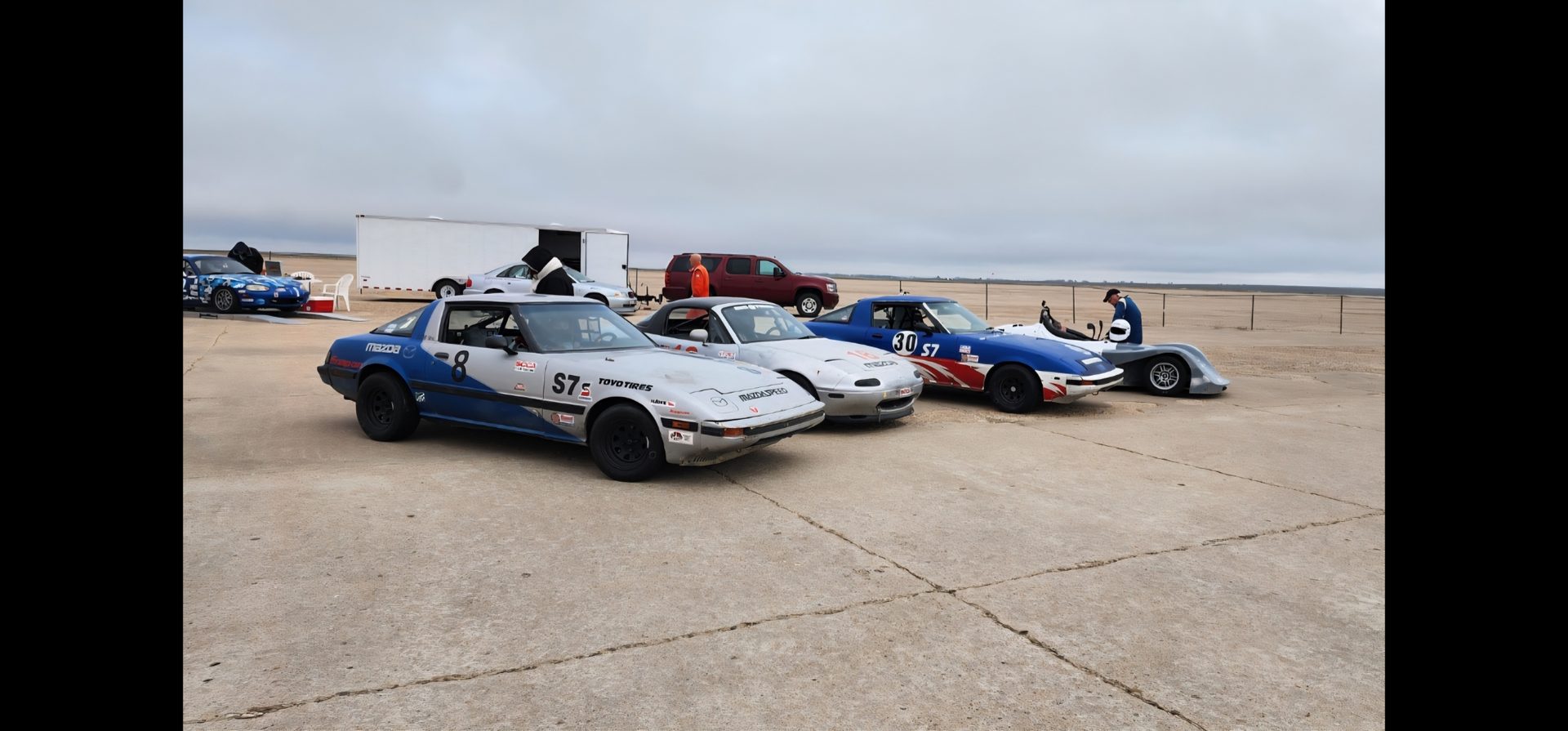 Paddock shots with people in them get used more often than pure action photos. Shoot both. Photo: LeadFoot Racing.
What to send when the weekend went badly
DNF. Contact on lap two. Fifteenth after a mechanical.
Send the recap anyway. Same format, same day, no excuses paragraph.
State the cause plainly, say what you're changing, and give the next date. Sponsors are not buying wins from a grassroots racer. They're buying a partner who communicates the same way whether the weekend was good or bad, and silence after a rough one is what actually ends deals. The renewal conversation is much easier when there's a year of honest reports behind it.
The skeleton, copy it
- Subject: [Result or storyline] — [Track], [Date]
- Line 1: Result, class, series, track.
- Line 2: The storyline of the weekend.
- Three short paragraphs: practice, qualifying, race, one number each.
- One paragraph: what your sponsor's product or support specifically did.
- One quote: yours, in first person, one sentence.
- Next up: date, track, one link.
- Attached: 5-8 labeled photos, photographer credited, permission to use stated.
Run that after every weekend and you'll be in the top few percent of grassroots racers on communication alone. Most of your competition sends nothing. That's the whole opportunity — and it's the same reason activation at the track works so well when almost nobody bothers.
The recap is one piece of a season-long cadence. The rest of it — the asset drops, the mid-season call, the touch with no ask attached — is in what to send a sponsor mid-season.
If you want the entire sponsorship program built out module by module — worksheets, checklists, and the reporting system that keeps partners for year two and three — The Sponsorship Launch Kit is $197 and includes everything in the Get-Funded System. If you're not there yet, start with the free resources on our sponsorship page and send one recap this month.
The fastest driver doesn't get renewed. The one who makes the sponsor look good does.
Do you believe?
Sources: Outlap Agency — 5 Tips for Better Motorsport Race Reports, The Privateer's Story — The Race Is Over. Your Work for Your Sponsors Is Not., High Gear Success — Race Recaps, RTR Sports — How Does Motorsport Sponsorship Work for Brands. Timing windows and asset guidance are drawn from those sources plus how we report to our own partners at LeadFoot Racing. No customer, survey, or performance data is claimed anywhere in this post.