
It's 7:40 in the morning. You're still torquing lug nuts, coffee going cold on the toolbox, and somebody walks past your trailer and says "meeting in five."
Skip it and you might not drive that day. That's not a scare tactic. It's written into the rulebooks, and it's the single easiest way a prepared driver loses a session.
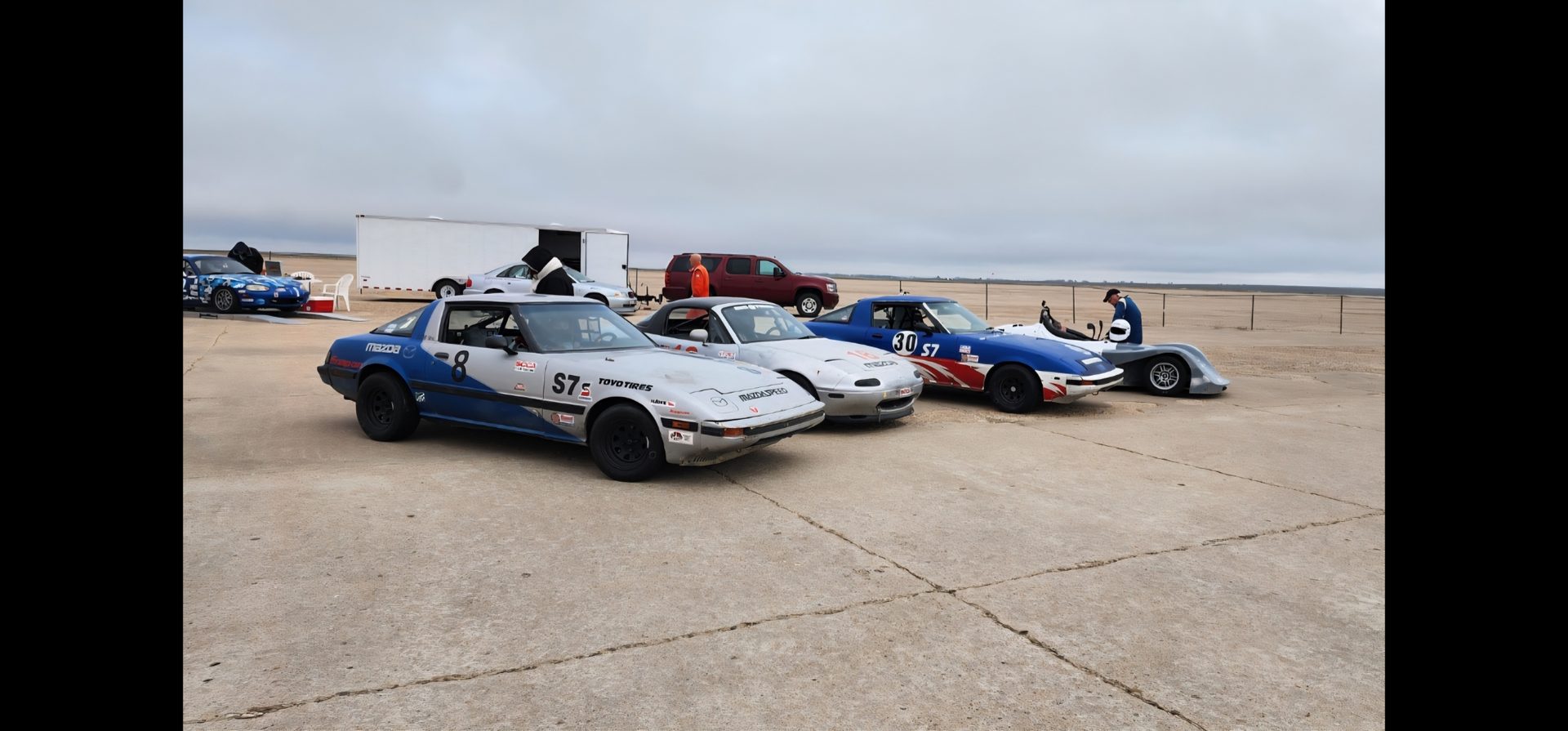 Every weekend starts the same way. Cars ready, people in a circle, one person talking.
What a drivers meeting actually is
It's a short standing briefing, usually 10 to 20 minutes, held before the first car turns a wheel. An official stands up with a bullhorn or a PA and covers what everyone on track needs to know that day.
Some clubs call it the racer meeting. Some call it the all-hands. At an HPDE it's often called the general drivers meeting. Same thing.
It is not a formality. It's the one moment in the weekend where every driver, official and worker is given the same information at the same time. Everything after that assumes you were there.
And it isn't the only meeting happening. NASA's rules put the Chief of Communications in charge of making sure a Course Officials meeting runs each morning too. The flaggers get briefed. The workers get briefed. You get briefed. That's how a track day stays organized.
Why it's mandatory, and what missing it costs
Both major clubs require it, in writing.
NASA's Club Codes and Regulations covers it at section 23.1.4, Meeting Attendance: all drivers are required to attend all mandatory meetings. There's one escape hatch — you may send a proxy — but the rule is blunt about what that does and doesn't get you. You're still responsible for all information given out at the drivers meeting.
Sending your dad to listen for you doesn't transfer the risk. It just transfers the note-taking.
The penalty side is usually spelled out at the regional level. NASA's Mid-Atlantic regional supplement is a good example of the standard language: failure to attend the racer meeting leads to forfeiture of your on-track sessions until you've met with the Race Director. That's the actual cost. Not a fine, not a warning. You stand in the paddock while your group runs.
On the SCCA side, the requirement lives in the event's supplemental regulations. The GCR requires supps to publish the schedules and locations of on and off-track activities, inspections, and meetings — so your event's supps will tell you exactly when and where. Read them before you pack.
One more practical reason to be there: at a lot of NASA events, the group leaders hand out wristbands right after the meeting breaks up. No wristband, no grid.
The part nobody tells you: the meeting outranks the rulebook
This is the detail I wish somebody had explained to me early.
NASA's CCR has a section called Officials / Rules Hierarchy (2.7) that lists what wins when two rules conflict. Each item on that list supersedes the one before it. The order runs: Club Codes and Regulations, then Class Rules, then Local or Event Supplemental Rules, then Drivers' Meeting Information, then Orders From Officials, then the Race Director.
What gets said at the drivers meeting outranks the printed rulebook and the supps you read last night.
Read that again if you're the kind of person who studies rulebooks. You can know the CCR cover to cover and still be wrong, because the meeting changed something that morning.
That's not the clubs being sloppy. It's how a live event works. A corner gets reconfigured. A station goes unmanned. A start procedure changes because there's a 30-car field instead of 18. The meeting is the patch note.
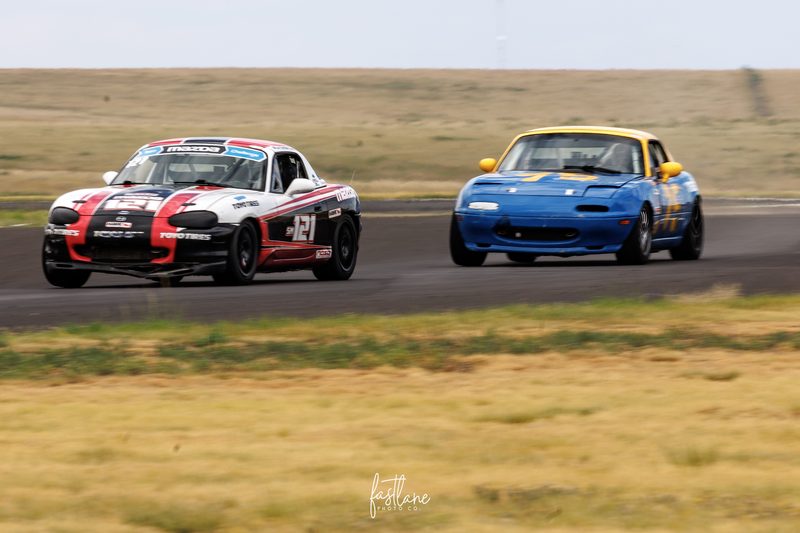 Everything that happens out here was agreed on in a parking lot that morning.
What actually gets covered
It shifts by event, but you can count on most of this:
- Schedule changes. Sessions moved, shortened, combined. This is the one that burns people who skipped.
- Track conditions. Fresh paving, a slick patch, standing water, dust, a repaired curb.
- Flag stations. Which ones are manned that day, and which ones are not. Worth knowing before you go looking for one that isn't there. If you're still learning the colors, here's our full breakdown of racing flags.
- Start and restart procedure. Single file or double file, where the green happens, who controls the pace.
- Passing rules and no-passing zones for each group.
- Incident procedure. Where you report if you're involved in contact, and where the officials want damaged cars to go. The SCCA GCR specifically allows that location to be set in the supps or a written drivers meeting.
- Pit and paddock housekeeping. Speed limits, fuel rules, hot pit access, where guests can and can't stand.
- New driver callouts. Many clubs ask first-timers to raise a hand so the field knows to give them room.
- Anything the stewards want to fix. If Saturday had three spins at the same corner, you'll hear about it Sunday morning.
At a multi-day event, the meeting happens every single day. Sunday's is not a rerun of Saturday's.
HPDE works a little differently
At a track day you usually get two layers. First the general meeting for everyone, then you're sent to your run group meeting or handed off to your instructor for a smaller, more specific briefing.
Both count. NASA's Mid-Atlantic supplement says HPDE and Time Trial drivers must attend all scheduled classrooms and download meetings — the classroom sessions between run groups and the debriefs afterward.
Novices sometimes treat the classroom as optional because the track is more fun. It isn't optional, and honestly it's where most of the actual learning happens on your first weekend.
How to get the most out of 15 minutes
Show up five minutes early and stand near the front. Bullhorns are terrible and paddocks are loud.
Bring your phone and take notes on the two or three things that changed. Session times and any new procedure.
Ask your question out loud. Every drivers meeting I've been to ends with "any questions," and every official I've met answers straight. Nobody in that circle thinks less of a new driver for asking where the incident reporting spot is. They think less of the driver who guesses at 90 mph.
Here in Colorado, this is the same at High Plains Raceway and at Pueblo. NASA Rocky Mountain runs the morning meeting before the first session both days, and the time is published in the event schedule. Put an alarm on your phone for ten minutes before it. You will be under a car when it goes off.
If you'd rather have somebody handing you a schedule and walking you to the meeting instead of figuring all of this out alone, that's a good chunk of what our arrive-and-drive weekends are for — the car's ready, so the only thing you have to be on time for is the briefing.
Sources: NASA Club Codes and Regulations, 2026 edition, sections 2.6.1, 2.7 and 23.1.4, NASA Mid-Atlantic Supplement to the Club Codes and Regulations, sections 1.1.3 and 2.1, SCCA General Competition Rules, Appendix B 1.4.1 and Section 6, Track First HPDE introduction guide. Rules verified against current published editions as of September 2026. Penalty wording is set regionally — always read your event's supplemental regulations, because they are the version that applies to your weekend.
Do you believe?