
Sponsorship
What Goes in a Sponsorship Proposal: 8 Sections, In Order
Jett Johnson9 min read
The short answer
- 8 sections, in order: cover, their goal, audience, who you are, what they get, packages, where the money goes, next step.
- Put your audience early. Sponsorship Collective puts it on page 2, before your story or the ask.
- Keep it to about 6-10 pages, with 2-3 options built for that sponsor. Skip generic gold, silver and bronze tiers.
- Send it after a sponsor replies, not cold. The first touch is a short email.
A racing sponsorship proposal needs eight sections: a cover, the sponsor's goal, your audience, who you are, what they get, your packages, where the money goes and a clear next step. The order matters as much as the content, because the sponsor decides in the first two pages whether to keep reading.
Here's what goes in each section, how long it should run and what to leave out.
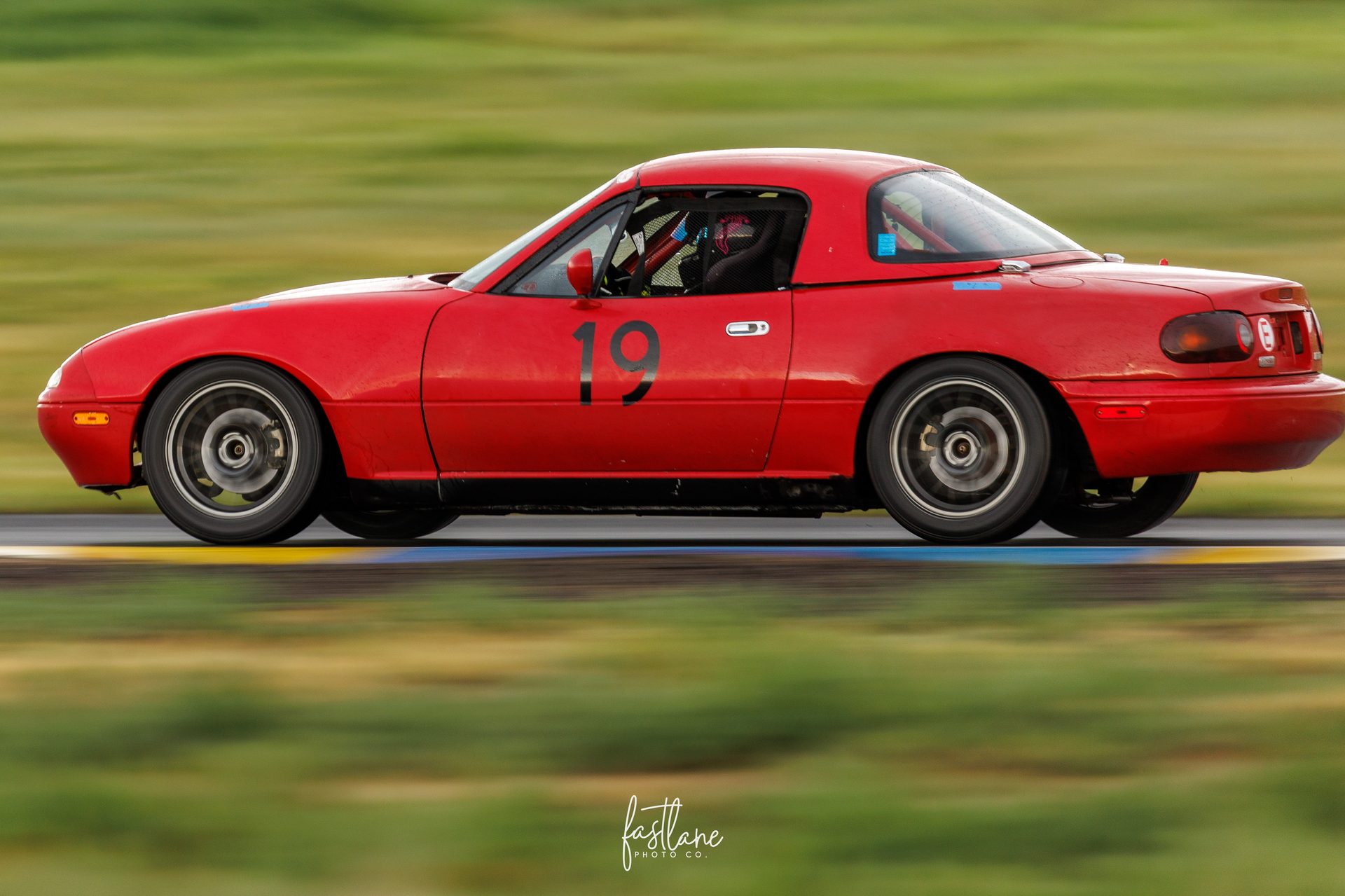 Every panel on a race car is real estate. Your proposal is where you explain what that real estate is worth to one specific business.
What goes in a sponsorship proposal?
Most guides agree on the same core pieces. HubSpot's template opens with what the sponsor gains and what you're asking for, then covers details, tiers and next steps. FlippingBook's guide adds audience, benefits and a budget. The Sponsorship Collective cuts it down to six tight pages.
Here's the order I'd use for a grassroots racer:
| # | Section | The sponsor's question it answers | Length |
|---|---|---|---|
| 1 | Cover | Is this meant for me? | 1 page |
| 2 | Their goal + summary | What's in it for my business? | Half a page |
| 3 | Your audience | Who will I reach? | 1 page |
| 4 | Who you are | Can I trust this person? | 1-2 paragraphs |
| 5 | What they get | What exactly am I buying? | 1 page |
| 6 | Packages and prices | What are my options? | 1 page |
| 7 | Where the money goes | Is my money going somewhere real? | Half a page |
| 8 | Next step + contact | What happens now? | A few lines |
That lands right around the six to ten pages most guides recommend. Notice what's missing from the top: your car, your lap times and your life story. They're in there. They just aren't first.
What does each section say?
1. The cover
Your name, the sponsor's name and one strong photo of your car. Putting their name or logo on the cover tells them this was built for them, not sent to 40 businesses.
One sharp tip from the Sponsorship Collective: don't title it "Sponsorship Proposal." Call it something like "A Partnership With [Their Business] for the 2027 Season." It reads like an opportunity instead of a request.
2. Their goal and a short summary
This is the most skipped section and the one that decides the deal. In three or four sentences, say what the business is trying to do and how your program helps it. Reach local families. Get in front of car people. Look good in town.
You can't write this section without talking to them first. That's why we built a free list of 37 discovery questions to ask before you write a single page. Know their goal, and this section writes itself.
3. Your audience
FlippingBook calls the audience section "arguably the most important" part of a proposal. The Sponsorship Collective puts it on page 2, before you even describe your program.
Show who follows you, where they live and why they match the sponsor's customers. Real numbers beat big numbers. A few hundred local followers who drive past their shop can beat 20,000 strangers in another state. If you're unsure how many followers you need, read how many followers it takes to get a racing sponsor.
4. Who you are
One or two short paragraphs. Your class, your series, why you race and what you're chasing this season. Add one or two credibility points: a result, an award, a current sponsor.
Keep it human. This section builds trust, then gets out of the way.
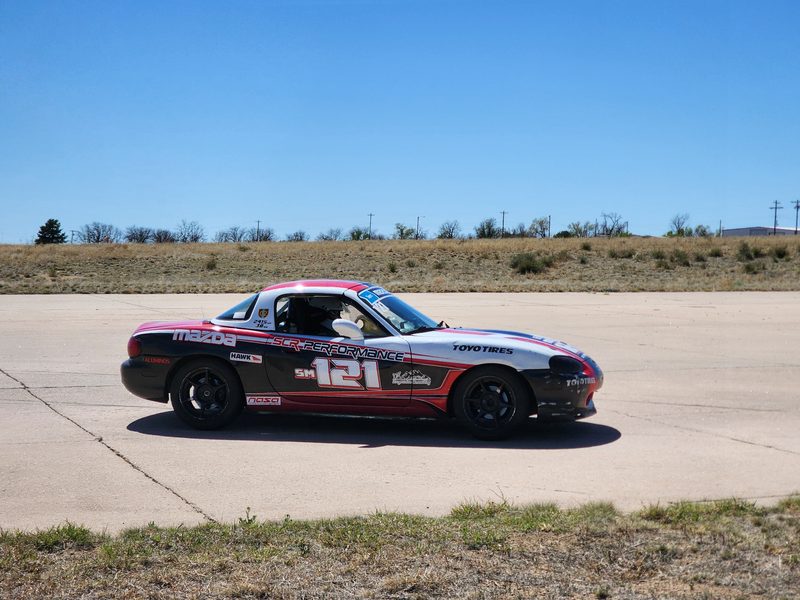 Our #121 with its livery on display. The "what they get" page should tell a sponsor exactly where their logo lands.
5. What they get
List the deliverables a sponsor can count. Logo placement (with a spot on the car), a set number of social posts, a photo set they can reuse, a day where your car sits at their shop. "Great exposure" doesn't belong here because nobody can measure it.
The Sponsorship Collective gives activation ideas their own page, so the sponsor can picture their brand meeting real people. Need ideas? Here's what sponsorship activation looks like at the track.
6. Packages and prices
Give two or three options with clear prices and clear deliverables. A choice between options is easier to say yes to than a yes-or-no on one number.
The sources split here, and it's worth knowing why. FlippingBook recommends two or three set levels. The Sponsorship Collective warns against gold, silver and bronze tiers and wants each option built with the sponsor's input. Both are right: offer options, but build them from what this sponsor told you.
For the numbers themselves, start with how to price racing sponsorship. For scale, a typical local deal is about $1,000 in my experience, often paid as product or discounts. Real deal sizes by sponsor type are broken down here.
7. Where the money goes
FlippingBook's advice is simple: be open about your costs and how you'll use the funds. A sponsor feels better when their money has a job.
Tie it to something real. A competitive Spec Miata race weekend runs $2,500 or more in consumables alone. "Your package covers our tires for the season opener" is a sentence a business owner remembers.
8. The next step and your contact info
End with one clear ask, not "let me know your thoughts." Something like: "Can we meet for 20 minutes next week to pick the option that fits?" HubSpot's template closes by restating the value and spelling out the next step. Then your name, email and phone, current and easy to find.
How long should a sponsorship proposal be?
Six to ten pages for a full proposal. The Sponsorship Collective holds to exactly six. FlippingBook says a full one can run seven to ten, and a short one can be a single page or an email.
Length depends on the deal. A $500 ask to the shop down the street doesn't need ten pages. A season-long deal with a regional brand might. If you're torn, read one-pager vs full deck.
Timing matters more than length. The Sponsorship Collective says to hold the proposal until the sponsor asks for it, which can take two to four meetings. For a grassroots racer, the practical version is this: your first touch is a short email. The proposal goes out after they reply and you've talked.
What should you leave out of a sponsorship proposal?
- Your whole life story. One paragraph on who you are is plenty.
- "Great exposure." Swap it for counted deliverables.
- Vanity metrics. Total impressions mean little without who saw them.
- One package sent to everyone. Generic tiers read as generic.
- Begging. "We really need help" turns a marketing deal into a donation ask.
I break down the deal killers in more detail in 4 racing sponsorship proposal mistakes.
A quick note on terms: your proposal is different from your media kit (the short PDF you send cold) and your pitch deck (the slides you present in the room). The proposal is the detailed document with packages and prices.
What we actually do
This is how we approach sponsors at LeadFoot Racing.
- We ask before we write. You can't write section 2 without knowing their goal, so we have the conversation first.
- First contact is in writing. A clear email a business can read on its own time. No cold calls.
- We pitch cash first. Paid sponsorship for real value to the business. Product and discounts are the sweetener, not the plan.
- Fit decides the deal. Our partners, Les Schwab, OG Racing and Engine Ice / ICE Water, back us with service, product and discounts. Each deal works because it fits what that business already sells.
- Their goal goes first. When we applied for the Spark the Springs grant (LFR was one of three winners, $50,000 each), the form didn't ask what we wanted the money for. It asked what problem we solve for their community. I wrote about what that application taught us about pitching. It's the same order a good proposal follows.
Should someone check your proposal before you send it?
You've read your proposal 50 times, so you can't see it the way a sponsor does. The sections can all be there and it still loses the deal because the opening is about you or the ask is fuzzy.
If you want my eyes on yours, the Funded Season Strategy Session is $497. You send your current pitch, I tear it down in writing, we spend a private 60-minute call on it and you get a 1-page plan. If you'd rather build it yourself, The First Sponsor System is $47 and has the method, templates and outreach sequences we use to fund our own cars.
Sources: Sponsorship Collective: How to Write a Sports Sponsorship Proposal, FlippingBook: Winning Sponsorship Proposals, HubSpot: Sponsorship Proposal Template. Section order, page counts and the tier debate checked against these sources as of November 2026. The ~$1,000 local deal figure is my own estimate from experience, not a measured average. The $2,500+ Spec Miata weekend figure comes from our own cost research. Everything else is my own racing and sponsorship experience.
Do you believe?
About the author
Jett Johnson
Founder of LeadFoot Racing, a Spec Miata race team in Colorado Springs that races in the NASA Rocky Mountain region. Jett holds degrees in mechanical engineering, mathematics and aerospace engineering, has raced since 2022 and has spent years working with sponsors in motorsport. What you read here comes from building the team's race cars, running race weekends and writing real sponsorship proposals.
Meet the team