
You registered for your first event. The confirmation email landed with a PDF attached, titled something like "2026 Event Supplemental Regulations." It's twelve pages long and nobody told you to read it.
Then there's a second form waiting. It's the pre-tech sheet, and it's asking you to sign off on things about your car you've never personally checked in your life.
Both documents matter more than new racers realize, and neither one is explained well anywhere. Here's what they actually are.
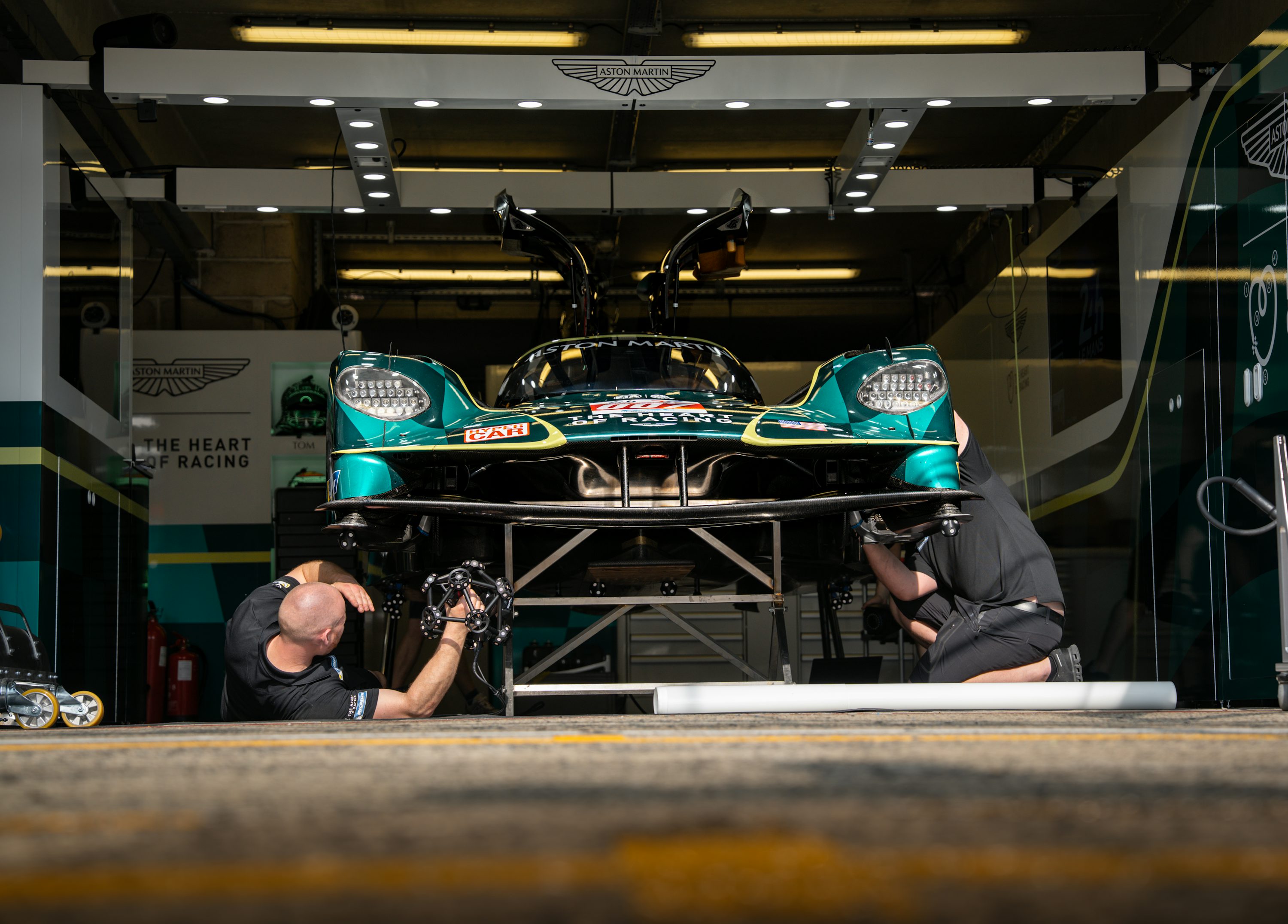 Photo by Thibault Lam Tran on Unsplash.
What Supplemental Regulations Actually Are
The main rulebook — NASA's Club Codes and Regulations or the SCCA's General Competition Rules — covers the sport everywhere, every weekend, all year. It doesn't know what time your specific event's drivers meeting starts, or what the sound limit is at your specific track.
That's what supplemental regulations fill in. Racers call them "supps," and they're the event-specific (or region-specific) layer that sits on top of the national rulebook. A real example from NASA Mid-Atlantic's own regional supplement runs seven sections deep — general rules, driver registration and meetings, run groups, points structure, race-day procedure, impound, and regional class modifications — on top of everything the national CCR already covers. An SCCA national event's supps go further still, with dedicated sections for entry rules, safety, registration and waitlist policy, tech procedures, penalties, impound, and the protest process.
For a single weekend at your home track, supps are usually shorter. But they carry the same job. They tell you the things that are true for this event only:
- Entry fees and deadlines
- The schedule for practice, qualifying, and racing
- Car class splits for that particular weekend
- Specific safety or sound requirements for that track
- Where to report if you're in an incident
We've written before about the drivers meeting, and what gets said there outranks the printed rulebook and the supps you read last night. Supps are the written word. The meeting is the spoken correction if anything's changed.
The honest reason to actually read them: they're the one document written specifically for your weekend, at your track, with your car count. Skimming it costs you nothing. Skipping it costs you a surprised look on race morning when the schedule you assumed turns out to be wrong.
Where to Find Them (and When)
Supps show up on your event's registration page — usually on MotorsportReg or the organizing club's own site — days to a couple weeks before the event. Some clubs email them directly once registration closes. If you can't find a copy, ask the organizer before you tow down; don't assume no supps means no rules.
Read them once, cover to cover, before you pack. Four things matter most: your first session time, the car classing for that weekend, any track-specific safety item, and the incident-reporting location. We cover the sign-up and scheduling side of this in more detail in how to sign up for your first track day. Everything else in the supps is useful but survivable if you miss it on a first read.
What a Pre-Tech Form Actually Asks
The pre-tech (or self-tech) form is a different document with a different job. It's not about the event — it's about your car, and whether it's safe to be on track at all.
A typical pre-tech sheet works through the car system by system:
- Brakes — pads above a minimum thickness, rotors and lines free of cracks or leaks, fresh fluid
- Suspension and steering — components tight, no leaks, no sagging or cracked springs
- Wheels and tires — good condition, properly torqued fasteners
- Engine and drivetrain — secure motor mounts, no major fluid leaks, secure driveline
- Safety gear — a minimum factory three-point seat belt in good condition, and a helmet free of visible damage with a current safety rating
None of this is exotic. It's the same stuff a routine inspection should already catch — the form just makes sure somebody actually looked.
Who's Actually Allowed to Sign It
This is where organizations genuinely differ, and it's worth knowing before you assume you can just fill it out yourself.
Most clubs want a qualified mechanic to complete and sign the form. Some specifically require an ASE-certified mechanic. A few organizations tighten that further for cars that are older or already modified. A shop inspection like this typically runs somewhere in the $100–$200 range — cheap insurance against finding a problem for the first time at 70 mph.
Some organizations do let experienced drivers self-tech. A driver who's a genuinely qualified mechanic and services their own car can often sign their own form at clubs that allow it. A few programs extend that privilege to instructors or advanced-group drivers specifically. Racing and time trial programs work differently again. Some regions let a mechanic sign one Annual Technical Inspection Form with their certification number, which then covers you at every event that season instead of a fresh sign-off every time.
The rule that matters most: check your specific event's requirements before you assume. "Self-tech allowed" at one club can mean "mechanic required" at the next, even for the same car and the same driver.
The Honest Takeaway
Neither document is exciting reading. Both exist because somebody, somewhere, showed up without reading one and it went badly. Maybe a driver missed a schedule change. Maybe a car made it onto track with a brake problem nobody caught.
Read the supps for your event. Get the pre-tech done by whoever your organization actually requires. That's the homework that keeps a race weekend from going sideways before you've even turned a wheel.
If you'd rather have someone who already knows every region's quirks handle this side of it for you, that's part of what our full-season arrive-and-drive seats at High Plains Raceway and Pueblo Motorsports Park are built for.
Do you believe?
Sources: NASA Mid-Atlantic Supplement to Club Codes and Regulations, SCCA 2026 Supplemental Regulations (National Solo Series), NASA Speed News — Road Racing Tech Inspections: What to Expect, How to Prepare, NASA-SE Tech Inspection, APEX HPDE FAQ. Numbers and requirements verified against these published sources as of October 2026; organization-specific rules vary, so always confirm against your own event's supps.