
The meeting went well. Then the email shows up: "Can you send over your budget for the season?"
Most racers panic. They either dump a 40-row spreadsheet on the sponsor or dodge the question. Both cost you. The right answer fits on one page, and it's the page most racers never build.
It's also an easy page to get wrong, and a fair one to send through The Pitch Inspection before it goes out. More on that below.
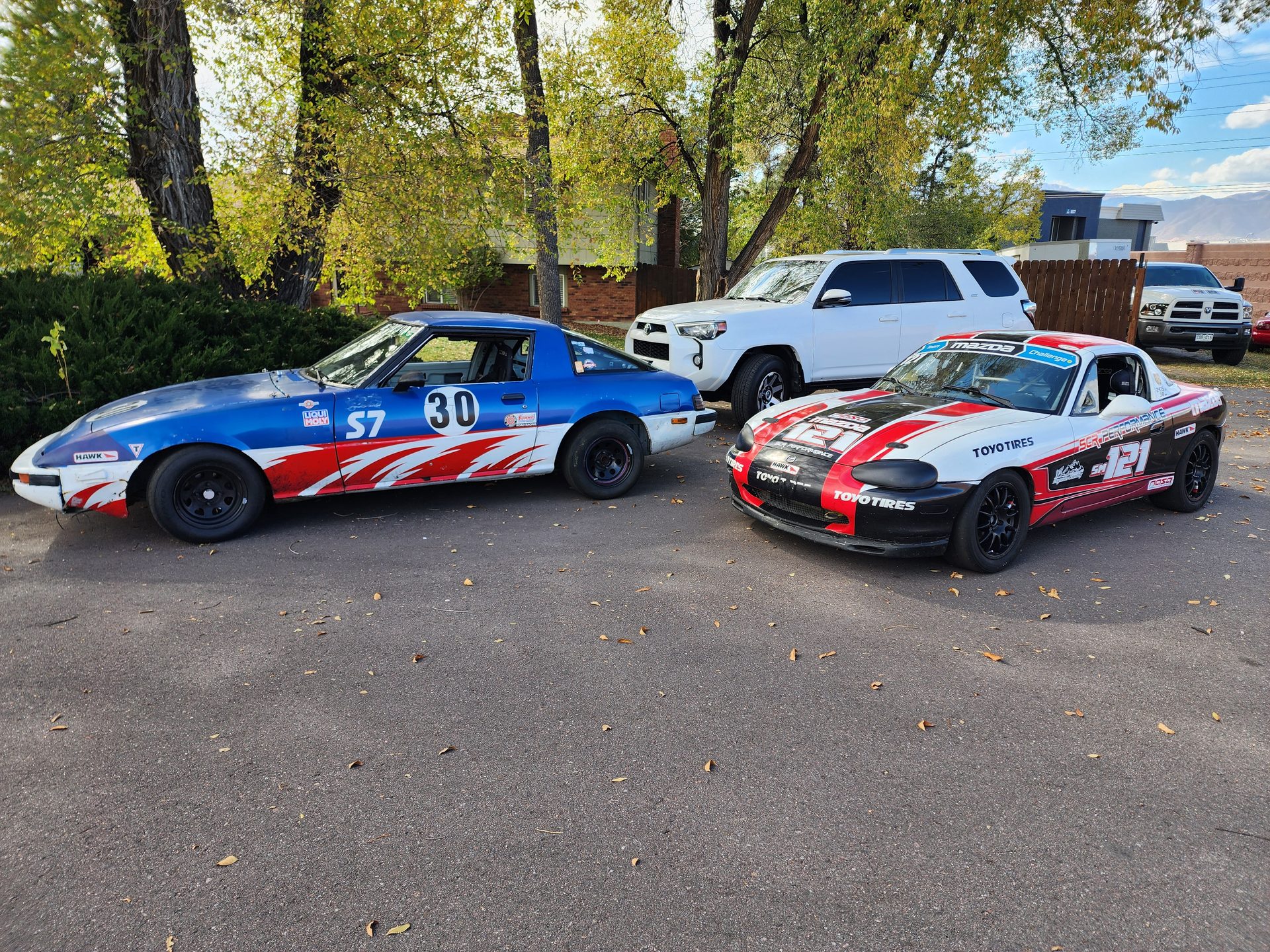 Every car in a paddock has a budget behind it. A sponsor wants to know yours is real.
Why they're asking
This isn't the same as a prospect asking what your other sponsors pay. That question is a trap, and you shouldn't answer it. The budget question is fair game.
Here's my read on what they actually want to know. It's three things:
- Will the season happen? Nobody wants their logo on a car that runs two races and gets parked.
- How big a piece are they? Covering 10% of your season is a different deal than covering 80%.
- Do you run this like a business? A clean page says yes before you say a word.
General sponsorship guidance points the same way. One proposal template says to break down how sponsor money will be allocated, because "transparency here shows responsible planning and helps sponsors feel confident that their funds will be used wisely."
Don't volunteer it. Don't dodge it.
There's a tension here. A budget slide in your first deck is a mistake. It turns you from a marketing channel into an expense, which is why it's on our list of slides to delete from your deck.
But once a sponsor asks, you answer. The difference is the frame. RTR Sports, a motorsport sponsorship agency, puts it well: any request for money should explain what the sponsor receives. Your budget page does both jobs at once.
The one-page budget sheet
Here's what I'd put on it. Five blocks, top to bottom. This layout is my suggestion, not an industry standard.
1. The season total, as an honest range. A competitive Spec Miata race weekend, when you own the car and wrench it yourself, runs about $2,000 to $3,500 all-in. Six weekends at that rate is roughly $12,000 to $21,000. That's my math on our cost reference, before the car, the tow rig, or any crash damage. A range you can defend beats a precise number you can't.
2. The big lines only. Tires (about $1,200 a set), entry fees (about $500 a weekend), fuel, brakes, travel. Five or six rows. Nobody needs your zip-tie budget.
3. What's already covered, by category. "Product and discount support covers part of our coolant and safety gear" is enough. Don't name what other partners pay.
4. The gap. The number you still need to race the full season. This is the one they're really looking for.
5. What their dollars buy. Tie their amount to a real line and real deliverables. "Your $2,500 covers two sets of race tires, and here's the decal spot, the posts, and the recap you get." Now the budget is a menu, not a plea.
Add one line at the bottom: what happens if the season gets cut short. If you can't name a make-good, read this before you sign anything.
Not sure your page reads right? Send it through The Pitch Inspection ($39) before it goes to the sponsor. Within five business days you get it back marked up in writing, with a rewritten opening and the three fixes that matter most, from a team that pitches sponsors for its own race cars.
Keep these off the page
- Other sponsors' dollar amounts. Same rule as the trap question. Those numbers aren't yours to share.
- Your personal finances. Your car loan, your day job, what your parents chipped in. None of it helps them decide.
- Padding. If a line can't survive "can I see the receipt?", cut it. One fake line poisons every real one.
- A price for every single benefit. Kim Skildum-Reid of Power Sponsorship goes further than I do here. Even when a sponsor asks for "some other benefit-by-benefit breakdown," her advice is "don't give it to them." Build the offer around what it does for them instead. Show where the money goes. Don't sell your hood by the square inch.
Where we stand
I'm not going to pretend we have a stack of sponsor budget requests to show you. We don't. What we do have is our own real season numbers, which we've already published line by line in what a Spec Miata season actually costs. Our partners like Engine Ice and OG Racing support us with product and discounts. Those deals show up on our own sheet as "covered," with no dollar figure attached.
That's the whole method. Real numbers, an honest range, a clear gap, and a menu of what the money buys.
Send the page, then send it again
Build the page once and reuse it for every sponsor who asks. Update it as the gap shrinks. A shrinking gap is also great proof for the next prospect.
Before the first one goes out, run it through The Pitch Inspection. It's $39, and it's the cheapest way to make sure a sponsor sees a business, not a wish list. If you want the whole pitch reviewed, deck and proposal included, with a recorded walkthrough, step up to Proposal Review ($147).
The sponsor asked because they're interested. Give them a page that makes yes easy.
Do you believe?
Sources: ProjectManager, Sponsorship Proposal Template (budget overview: break down how sponsor contributions will be allocated; the quoted transparency line), RTR Sports, How to Improve Your Sponsorship Proposal to Get a Yes (Silvia Schweiger, January 2025: ask for a meeting, not a cheque; a money request should explain what the sponsor receives), Power Sponsorship, Should We Hire a Sponsorship Valuation Service? (Kim Skildum-Reid; the quoted benefit-by-benefit line), Australian Sports Foundation, How to Get Sponsorship for an Individual Athlete (April 2025: financial sponsorship covers training, travel and competition costs; a proposal states what you offer and what you ask for). Checked November 2026. Cost ranges come from LFR's own racing cost reference and our published 2026 season numbers. The six-weekend total is my own arithmetic on that range. The page layout and the "why they're asking" list are my suggestions, not survey data. No customer story, sponsor figure or survey result of LFR's is used here.