
You're on the phone with a local business owner. It's going well. Then comes the question: "So what are your other sponsors paying you?"
Most racers answer on instinct. They want to look legit, so they say a number. That one sentence can cost you the next sponsor and sour the last one.
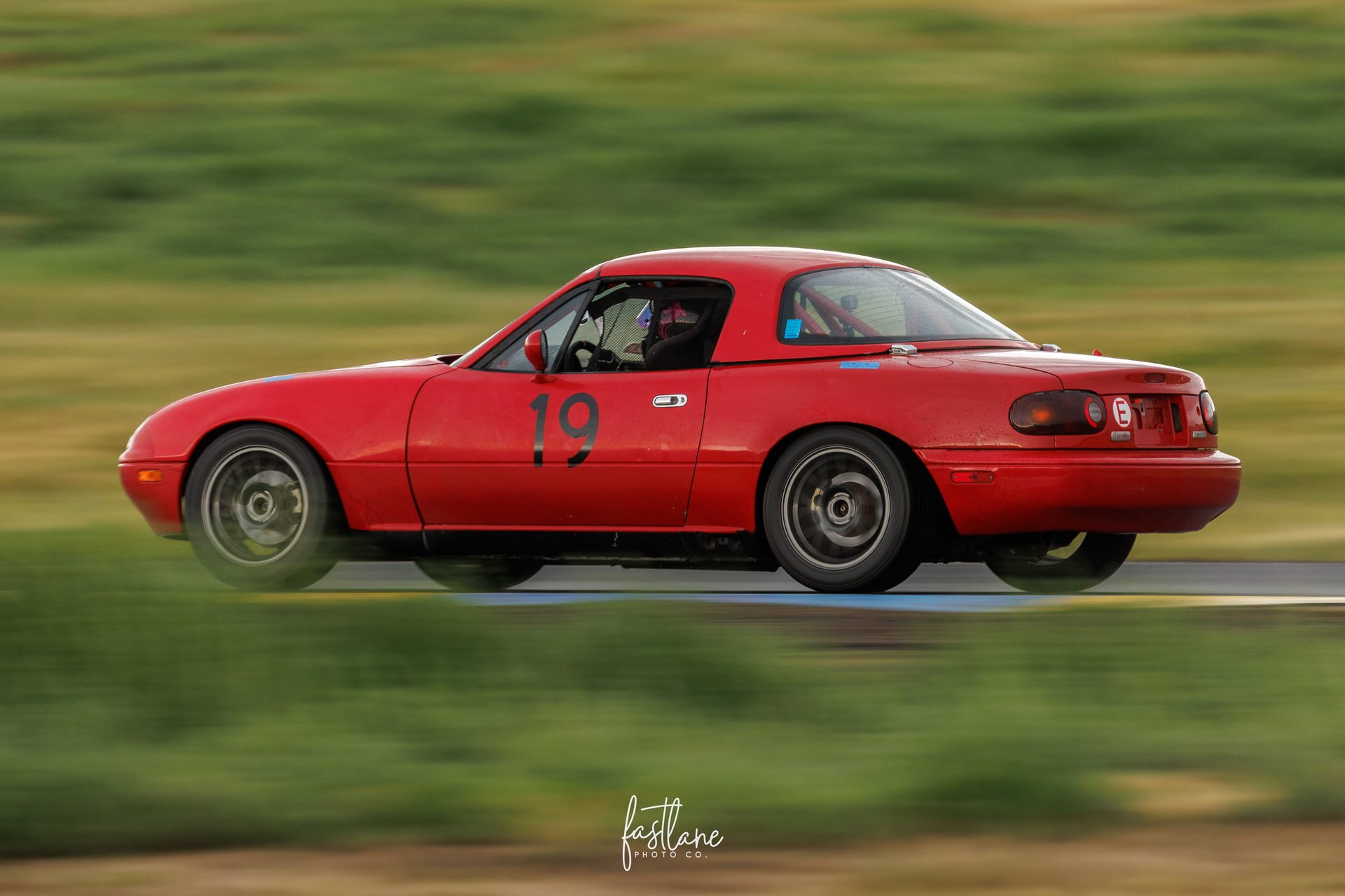 Every decal on a car like this is a separate deal with separate terms.
Why the question is a trap
The prospect isn't being rude. They're a buyer trying to find the market price. It's a fair thing to want. It's just not yours to hand over.
Say you tell them "$2,500." Three things can go wrong:
- You break a promise you may not have realized you made. Many sponsorship contracts make the terms themselves private. More on that below.
- You anchor the new deal to an old one. Your first sponsor said yes when you had no results. A prospect who hears that number will never pay more, even after you've earned it.
- Every sponsor learns you talk. The next company wonders what you'll say about them.
The contracts you'd be breaking
Pro deals treat this as normal. A sponsorship agreement between Tony Stewart Racing Nitro and American Rebel, filed with the SEC, says neither side may disclose its terms to third parties without written consent. The exceptions are employees and professional advisors who need to know, and disclosures the law requires. Klaviyo's published sponsor terms go further: "This Agreement will remain entirely confidential, and neither party shall disclose the terms contained herein."
One industry guide says prices, discounts and contract terms are typical confidential information, and that secrecy often runs for the contract term plus a set period afterward.
Those are big-money examples, and your local deal may have no such clause. That's the point. If yours is silent, nothing stops you from blabbing, and nothing stops your sponsor from blabbing about you either. I'd rather decide that on purpose.
What to say instead
You still owe the prospect a real answer. Give them the thing that is yours to share: your own published price list.
"I keep my partners' terms private, the same way I'd keep yours private. What I can show you is how I price a season: three levels, what each one includes, and what each costs. Want me to send it?"
That answer does four jobs. It signals you're careful with a sponsor's information. It moves the talk from someone else's number to your menu. It hands them a way to say yes at a level. And it can't hurt a sponsor already on your car.
If you want to say something true about your current sponsors, stay on the public side: who they are, where their logo sits, and what you've done for them that they'd be happy to see in print. A logo on the hood is already public. The dollar amount isn't.
The price list has to exist first
None of this works if you have nothing to send. Racers who get this question and freeze usually have no tiers on paper, so the only price they can quote is the last one they got.
Build the tier sheet before the call. Our post on how to price racing sponsorship walks through valuing your assets and setting three levels. And if a prospect wants exclusivity in their category, price that separately rather than folding it into the base.
The shortcut we built: The Full Sponsorship Kit ($597) includes a priced partnership tiers sheet built from market anchors, plus the pitch deck, a walk-in one-pager and a Sponsorship Playbook explaining which piece to use when. You fill out one questionnaire and send photos, and you review everything before it reaches a brand. When the "what do others pay" question comes, you already have the page to send.
Put one line in the agreement
Add a short clause to your sponsor agreement so both sides know the rule. Something like:
"Each party will keep the financial terms of this agreement private, except from its own advisors, as required by law, or with the other party's written OK."
That is my own plain-English draft, not legal advice, and it is not a clause from any contract above. Have a lawyer look at yours before you rely on it. If you use a one-page sponsorship agreement, this fits as one more line.
A mutual clause has a side benefit. You can tell the next prospect the truth: "My agreements keep the numbers private for both sides, yours included." That reads as professional, not evasive.
One more reason to hold back
Some sponsors will not care. A small shop may happily say what they pay. If a sponsor offers to be quoted, get that in writing and use it. Don't assume.
Where we stand
LFR has no horror story here, and I am not going to invent one. Our partners like Engine Ice and OG Racing give us product and discounts, and I keep the specifics of those deals to myself too. What I can offer is the habit, and the habit is cheap.
Before your next sponsor call, send your pitch through The Pitch Inspection ($39). You get it back marked up in writing within five business days, with the three fixes that matter most. If your pitch has no price page yet, it will tell you.
Next time someone asks what your other sponsors pay, smile and send them your menu.
Do you believe?
Sources: Sponsorship Agreement, Tony Stewart Racing Nitro, LLC and American Rebel Holdings, Inc., effective July 1, 2023 (SEC exhibit 6.13) (Section 7: terms protected from third parties, advisor and legal-process exceptions, three-year tail for non-trade-secret information), Klaviyo, Sponsorship Agreement terms (the quoted confidentiality sentence; one company's published terms, not a standard), Coaching Area, Confidentiality and GDPR in sports sponsorship (prices, discounts and contract terms listed as typical confidential information; duration "during the contract term and for a defined period afterwards"). Checked November 2026. All three are large-brand or professional-sport examples, not grassroots data; no survey, customer story or sponsor figure of LFR's is used here. The scripts and the sample clause are my own suggestions. Not legal advice.