
The motor lets go in July. Or the ride you were promised gets sold. Or you get the chance to move up a class and you'd be crazy not to take it.
Either way, somebody's decal is on a car that isn't going to the next race. And that somebody already paid for a season.
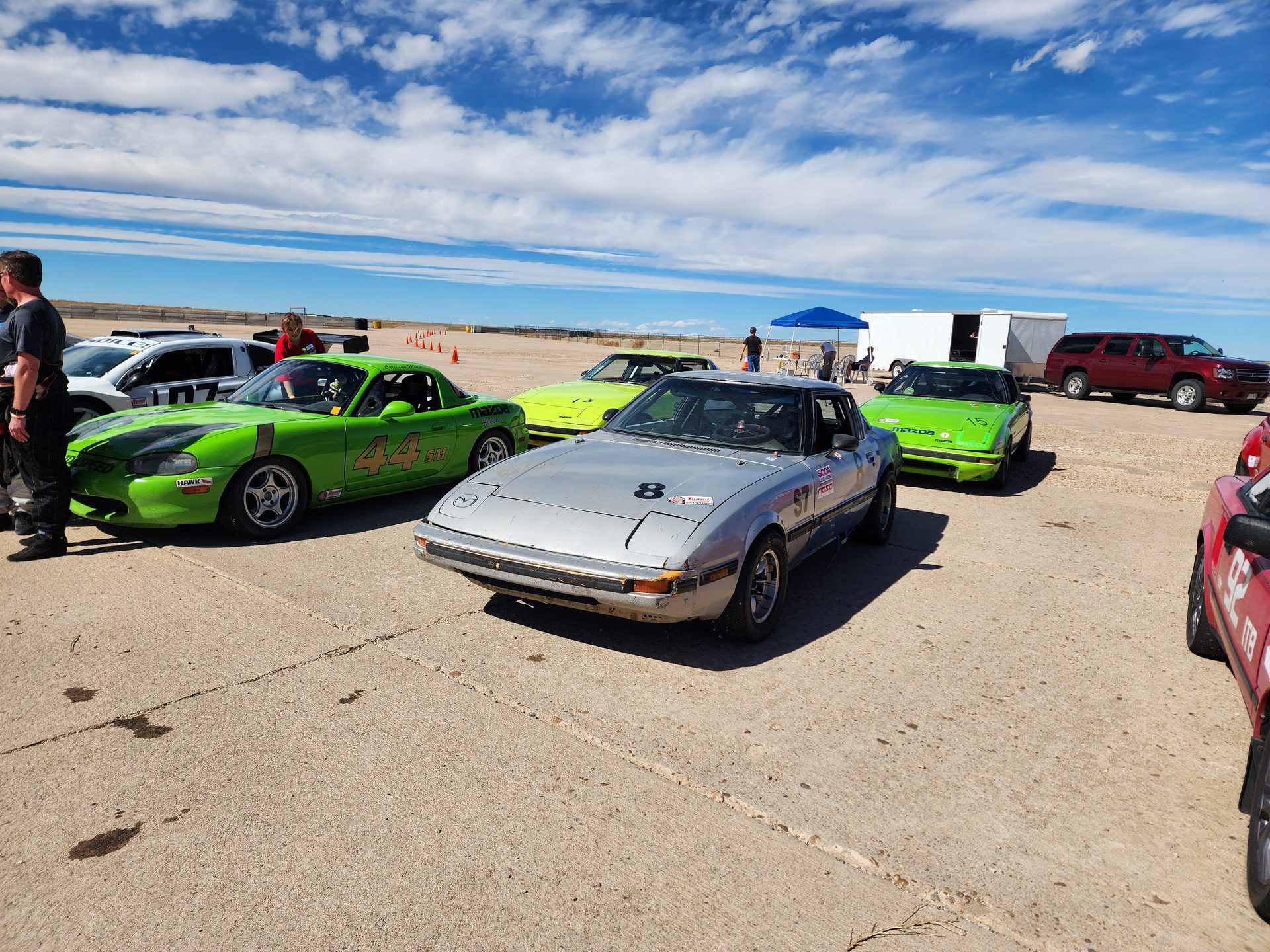 Two cars, two classes, one team. Programs move. The paperwork has to move with them.
Most racers handle this one of two ways. They go quiet and hope nobody checks. Or they panic and offer a refund nobody asked for.
Both are wrong, and the second one is worse.
Your sponsor didn't buy a car. Go read the paper and make sure.
Before you write a single apology, pull up whatever you signed and find the sentence that names what they bought.
This matters more than racers think. Sponsorship counsel is blunt about designation: it's important to set out clearly to a sponsor which team they are receiving sponsorship rights in relation to — and which they aren't. Pro clubs write that line to separate the men's team from the academy squad. You're writing it to separate the car from the driver.
If it says "the #121 Spec Miata," you sold a car. If it says "my 2026 NASA Rocky Mountain season," you sold a driver. Only one of those survives a blown motor.
The other borrowed idea is promotion and relegation. When a club goes up or down a division, the sponsorship value moves with it — so the same guide says both sides need an agreed approach to either outcome, with fees recalculated or termination rights on the table.
Moving up a class is a promotion. Dropping from a full season to three weekends is a relegation. Same logic, smaller numbers.
We run more than one car and we've raced more than one class — two Miatas now, Spec RX-7 with SCCA before that. Every time a program moves, the value of what a partner is holding moves too.
The four mid-season changes, ranked by how much they actually cost you
Not every change is a problem. Rank yours honestly before you decide what to offer.
S tier — same class, different car. Your motor died, you bought your buddy's car, you're still in Spec Miata at the same tracks on the same weekends. Nothing your sponsor bought actually changed. Move the decals, take a good photo of the new car, send it with two sentences. That's the whole fix.
A tier — same car, different series or region. You switch sanctioning bodies, or chase a cheaper regional schedule. Your reach doesn't drop, it changes shape. Disclose it, count the new weekends, and confirm the deliverable math still adds up.
B tier — different class entirely. Here the inventory genuinely changes: panel space, run-group size, grandstand size, how much media the class generates. Sometimes it goes up and you just got a better product to sell. Sometimes it goes down and you owe them a conversation, not a refund.
F tier — the season stops. You're parked, or you're down to one weekend out of six. This is the only version where money is honestly in play, and it's the one to move on fastest. Skip to make-goods below.
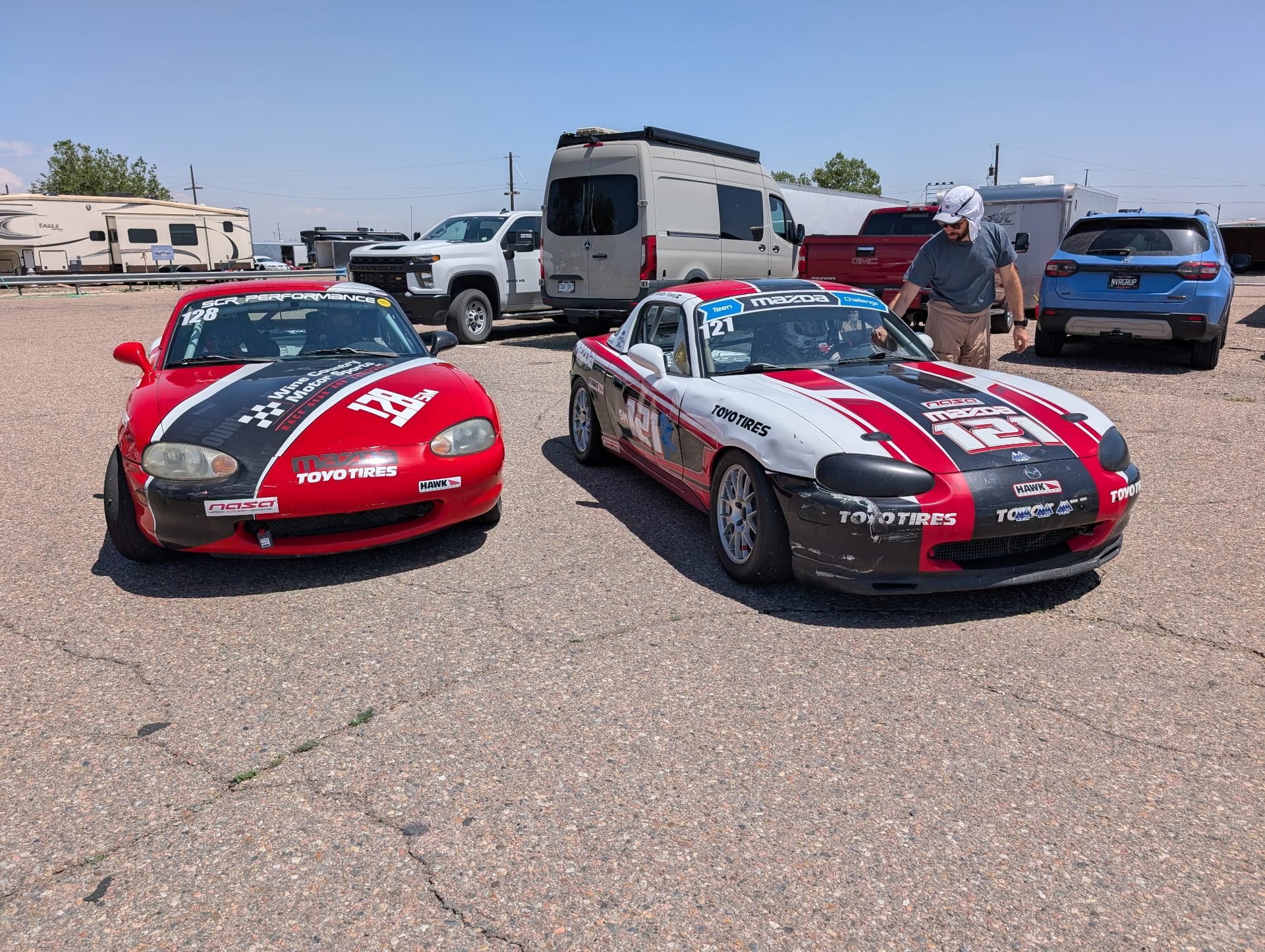 The car a sponsor bought in March isn't always the car sitting in the paddock in August. That's normal. Hiding it isn't.
Send the email in 48 hours. Not at the end of the season.
The damage is almost never the change. It's the silence.
A sponsor who hears it from you on Tuesday has a racer with integrity. A sponsor who figures it out in October from your Instagram has a vendor who hid something. Legal writeups on sponsorship put maintaining communication in the same bucket as the mutual obligations that hold a partnership together — it isn't a courtesy, it's part of the deal.
Four sentences. That's it. Here's the shape of it, written as if a dead motor was the problem:
- What changed. "The engine let go at the last round, so that car is done for the year."
- What it means for them. "You're covered through the two Pueblo rounds — I'm running the second car, same class, same schedule."
- What you're proposing. "Decals move Friday. I'll add a garage walkthrough video and two extra feed posts to cover the swap."
- A date. "Photos of the new car to you by the 29th. Anything you want changed, tell me before then."
No paragraph of apology. No "I completely understand if you want to pull out." Never hand a partner an exit they weren't looking for.
If your regular in-season updates already look like this, the change email is easy — it's just one more report. I laid out that cadence in what to send a sponsor mid-season, and the templates for both live in The Get-Funded System.
The word that saves the deal is "make-good"
Here's the part almost no grassroots racer knows.
When a rights holder can't deliver what they sold, the industry doesn't jump straight to refunds. There's an order. Sponsorship counsel describes it as a priority of remedies: rescheduling, equivalent inventory, fee reduction, or termination — in that order, with pro-rata adjustments and clawbacks defined in advance. Equivalent inventory has a name in this business. It's a make-good.
So build a make-good menu before you need one:
- More panel space on the new car than they had on the old one
- A garage or build video documenting the swap, which is genuinely good content
- Two extra content pieces per remaining weekend
- A paddock day or ride-along at a test day
- The deal extended into next season's first round at no charge
Every one of those costs you effort instead of cash. Price them the way you'd price anything else — I broke our real deliverable menu down in what a race team actually delivers for $2,500.
Cash back is the last option on the list, not the first. And if it does come to money, the fair version is limited to prepaid fees for rights you haven't delivered yet. Not the posts you already made.
Write the change in before it happens
I'm a racer and a team owner, not a lawyer, so none of this is legal advice. It's what I'd want in my own paperwork.
Four lines make a deal survive a bad July.
Sell the driver and the season, not the chassis. "Logo placement on the primary car campaigned by the driver in the 2026 season" travels. "The #121 car" doesn't.
Add a substitution right. You may run an equivalent car in the same or comparable class without penalty, as long as you give notice.
Put a number on notice. Fourteen days, in writing, for any material change to the program. It protects them and it forces you to be a professional about it.
Define the remedy ladder. Equivalent inventory first, then a term extension, then a pro-rata reduction limited to undelivered rights. Termination last.
That's four sentences added to the one-page sponsorship agreement I'd give any racer at this level. The long version — scope, term, exit language, all of it in plain English — is the Before You Sign module inside The Get-Funded System.
And if the change is big enough that you're rebuilding your whole package around a different car, don't send that rewrite cold. Sponsorship Proposal Review is $147 and gets your actual document read line by line before it lands in front of a partner who's already had one surprise from you this year.
The change is a test, and you can pass it
Nobody renews you because your season went perfectly. Seasons don't.
They renew you because the one time it went sideways, you called first, showed up with a plan, and delivered something extra without being asked.
The Get-Funded System is $67 — the pitch, the packages, the outreach, the reporting cadence, and the contract language this post is a trailer for. Built by a team still out there hunting partners for a real race car, with two rounds left at Pueblo this year and a third car in the works.
Cars break. Deals don't have to.
Do you believe?
Sources: MFMac — Sponsorship Agreements in Sport: A Useful Guide, Outside GC — Sports Sponsorship Agreement Considerations, Digital Age Lawyers — How Sponsorship Agreements Safeguard Both Sponsors and Athletes/Teams. The promotion/relegation and team-designation principles come from professional club sponsorship practice and are applied here by analogy to grassroots class changes — no grassroots-specific benchmark for mid-season program changes is published anywhere I could verify. This post is general information from a racer and team owner, not legal advice. No LFR customer, sales, or survey data is claimed anywhere in it.