
The team emails you a PDF on a Tuesday night. Twelve pages. Your kid is fifteen, the first race is in nine days, and buried on page four is a sentence about giving up the right to sue.
Most racing parents scroll to the bottom and sign. Almost nobody reads it.
I'm not a lawyer and none of this is legal advice. But I've stood next to a lot of parents holding a lot of clipboards in a lot of paddocks. Here's what's actually in those documents, and which parts you should slow down on.
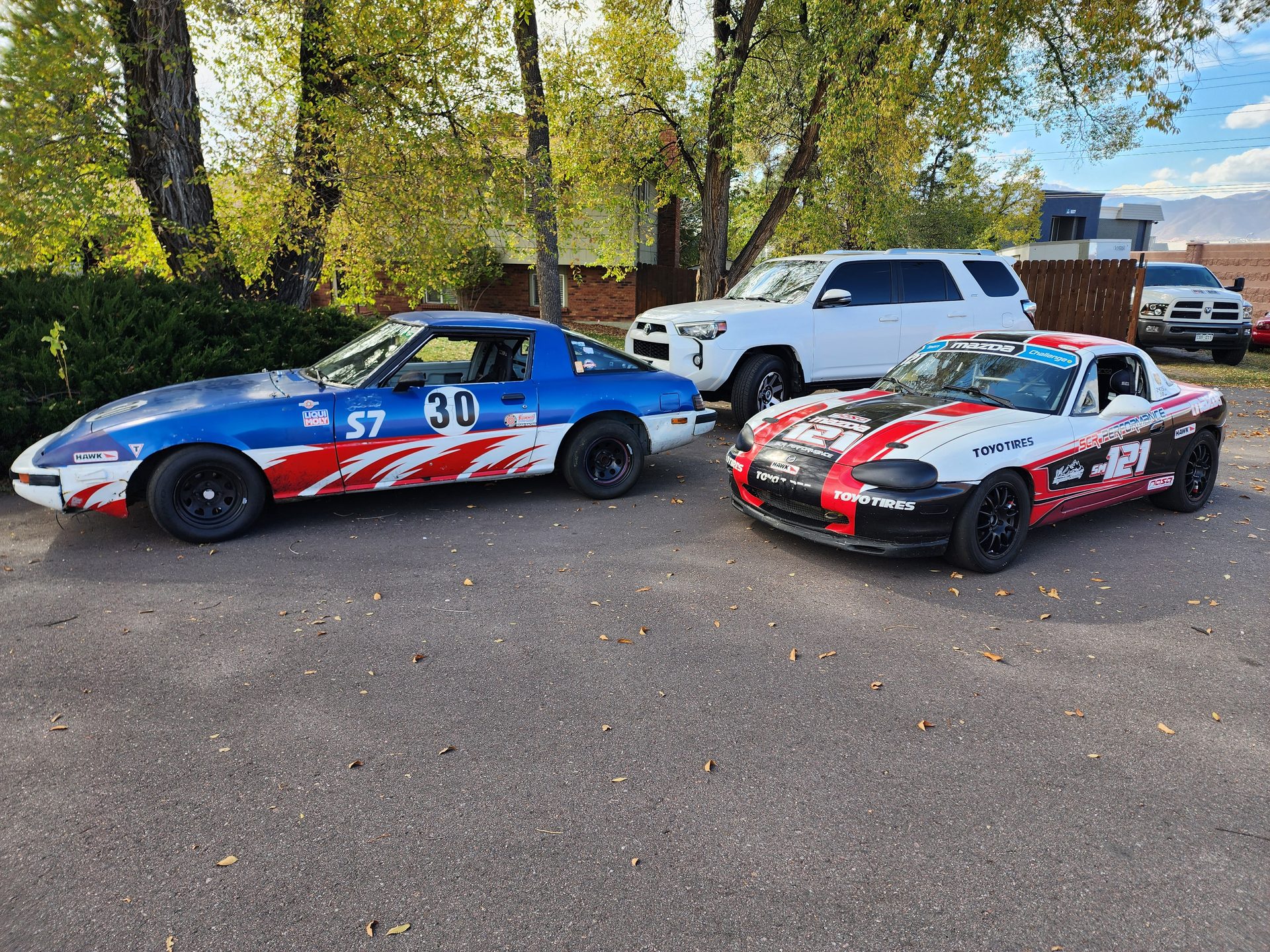 The paddock is where most of this paperwork gets signed. Usually in a hurry. Don't.
Your Kid Legally Can't Sign Any of It
Start here, because it changes how you read everything else.
In most of the United States, a person under 18 can't be held to a contract. The agreement is voidable by the minor until they hit the age of majority. That's why brands, teams, and sanctioning bodies won't take a kid's signature alone.
So you sign. And that's not a formality.
When you sign or co-sign, you become the party on the hook. The obligations, the money, and the liability route to you, not your 15-year-old. Every document in racing works this way, and there are usually three of them:
- The sanctioning body's minor waiver (NASA, SCCA)
- The team, rental, or coaching agreement
- The sponsorship agreement, if a brand gets involved
Different documents, different risks. Take them one at a time.
What a Minor Waiver Actually Requires
This is the one that catches families off guard, because it has a deadline you can't fix on race morning.
SCCA runs its minor waiver through the my.scca.com portal, and it has to be active in that portal before the event. Not at the gate. Regions are explicit about this. If you're going the paper route, there are two versions: one witnessed and countersigned by an SCCA official at the event, one that has to be notarized off-site. Cincinnati Region even specifies the paper form must be printed in color.
Both parents or legal guardians generally have to sign. Both also need my.scca.com accounts, even if only one of you is an SCCA member. The exception is a single parent with full custody and no other guardian with a custody claim.
For members, the waiver gets filed annually with the national office. For non-members, a paper minor waiver covers one event only, and you redo it every time.
NASA runs its own minor release through the member forms portal, with its own regional rules. Age minimums also vary by track. NASA NorCal, for example, sets 14 at Sonoma Raceway and 13 at Thunderhill.
Three practical takeaways:
- Start at least a week out. Not two days.
- If you're divorced or separated, solve the other-parent signature first. This is where families get turned away at registration.
- Confirm your specific region's rules. They differ, and the region's word beats a forum post every time.
Yes, You're Signing Away the Right to Sue — Up to a Point
Here's the part parents actually want answered.
In most states, a waiver signed by a parent on a child's behalf is weak or unenforceable. Colorado is different, and if you're racing here that matters.
Colorado Revised Statutes 13-22-107 explicitly lets a parent release a child's prospective negligence claim for sporting, recreational, and educational activities. The legislature passed it saying the state Supreme Court's earlier holding "does not reflect the public policy of this state." So in Colorado, that signature has real teeth.
But it has a hard ceiling. The statute says nothing in it allows a parent to waive a child's claim for a willful and wanton act, a reckless act, or a grossly negligent act.
Read that as two separate facts:
Ordinary risk of the sport is on you. Real carelessness by an operator is still on them.
Which is why the contract is the second thing to evaluate, not the first. The first is the team. Ask how they inspect the car, who's on the radio, what happens after contact, and what their black-flag policy is. Paperwork won't save you from a bad operator, and a good operator won't flinch at the questions. We wrote more about that transition and what to look for in our karting-to-cars guide for parents.
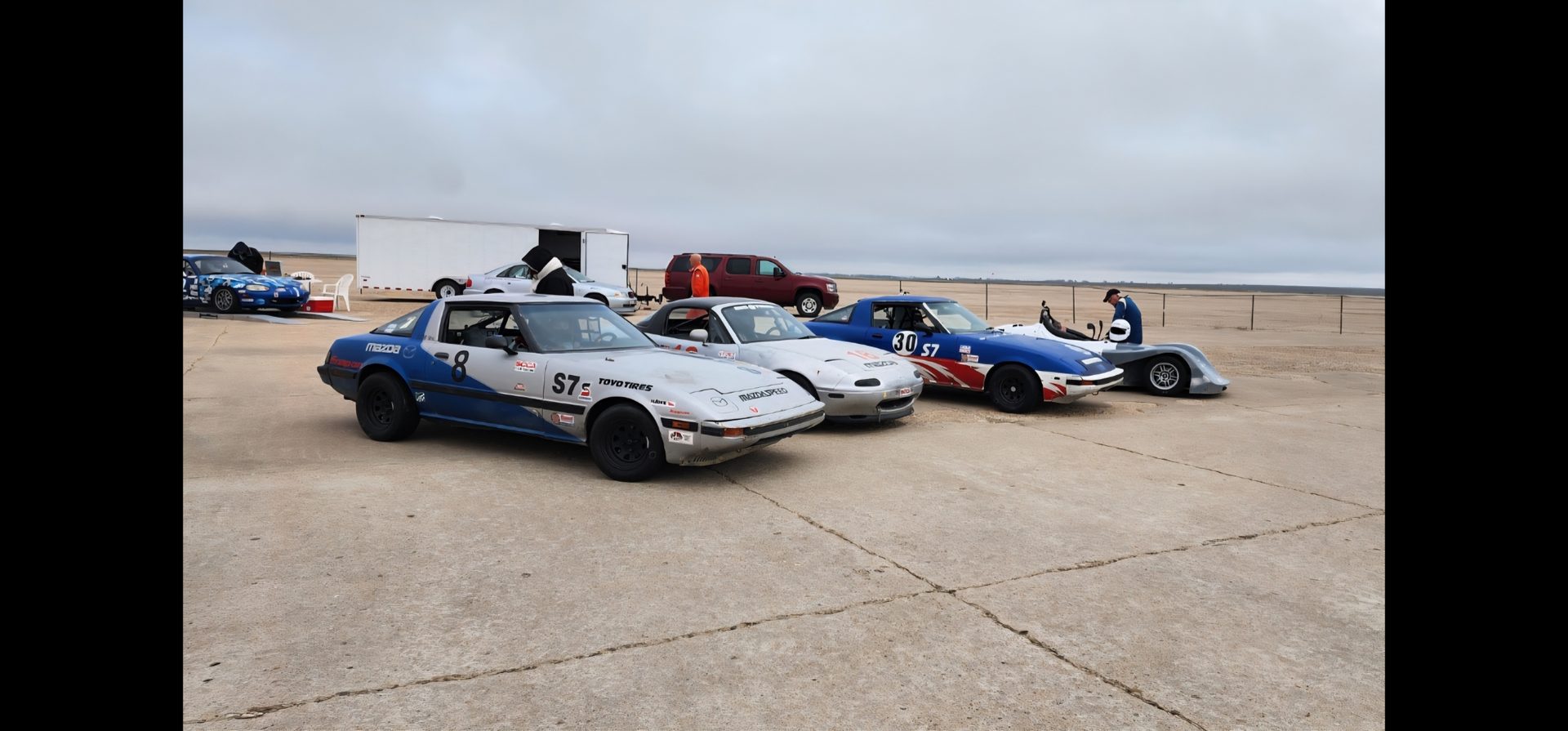 Ask the team the uncomfortable questions before you read their contract. Not after.
The Four Lines to Check in a Team Agreement
Rental and arrive-and-drive agreements are where the real dollars live. Four things to find:
1. What's excluded, itemized. Entry fees are almost always a pass-through — the driver pays the sanctioning body directly, roughly $500 a weekend for a NASA or SCCA event. Tires are often billed separately too. Our own arrive-and-drive seats are sold by the full season (six events, paid in full before the season starts, no damage deposit), with entry paid by the driver, and pricing depends on the car and package. That's normal in this sport. What's not normal is a quote that never says what it leaves out.
2. Damage liability and the deposit. Who pays when the car gets hit by someone else? Deposits here run into real money — Advanced Autosports, one of the larger national Spec Miata operations, holds a $2,500 damage deposit. Get the cap in writing.
3. Cancellation and weather. Rain-out, red-flagged weekend, sick driver. Know the refund or credit terms before you wire anything.
4. Who can park the car. A good team will pull a driver who's over their head or driving angry. You want that authority spelled out, and you want it to exist.
If you want the whole parent side of this laid out in one place — budget, questions to ask, what year one actually looks like — that's what we built the Karting Parents Pack for.
What Changes When a Sponsor Shows Up
Because your kid can't be bound, a brand will ask you to co-sign or be named as a party. The second you do, the deliverables are yours: the posts, the appearances, the exclusivity, and the damages if it falls apart.
Check three things.
Term and exit. One season with a renewal option, not an open-ended deal. Know how either side walks away.
Likeness rights. How long can they use photos and video of your kid, on what channels, and does that right end when the deal does? "In perpetuity" on a minor's image is a real thing to push back on.
Exclusivity scope. A broad category like "automotive" can quietly kill a tire deal, a fluids deal, and a local shop deal all at once. Narrow it to what they actually sell.
Most grassroots sponsorships don't need a fifty-page document. We've published the one-page sponsorship agreement we think covers a grassroots deal honestly, in plain English.
Before You Sign Anything
Three moves, every time:
- Read the exclusions first. What a document leaves out tells you more than what it promises.
- Ask for the paperwork a week early. Rushed signatures are how families end up bound to things they never noticed.
- Say the uncomfortable question out loud. "What happens if he crashes?" Any team worth your money has a clear answer ready.
You don't need a law degree to protect your kid. You need to slow down for twenty minutes and ask better questions than the parent next to you did.
If you want the rest of it — real year-one numbers, the questions to ask a team, and how to keep from getting steamrolled by a sport that assumes you already know the rules — the Karting Parents Pack is built for exactly your situation. It's $39.
Sources: SCCA minor waiver requirements — Cincinnati Region SCCA, NCR SCCA waivers, NASA member forms, NASA NorCal forms and rules, Colorado Revised Statutes 13-22-107 (FindLaw), Advanced Autosports arrive-and-drive terms. Waiver and statute details verified against published sources as of August 2026. Rules vary by state, sanctioning body, and region — confirm with your region before you sign. This is not legal advice.
Do you believe?