
The person who helped me most in racing never sat in my car. He never watched my data. He never told me I was braking too early.
He told me which weekend to skip so I could afford tires for the next one. That's a mentor. It's a different job than a coach, and most drivers only chase one of them.
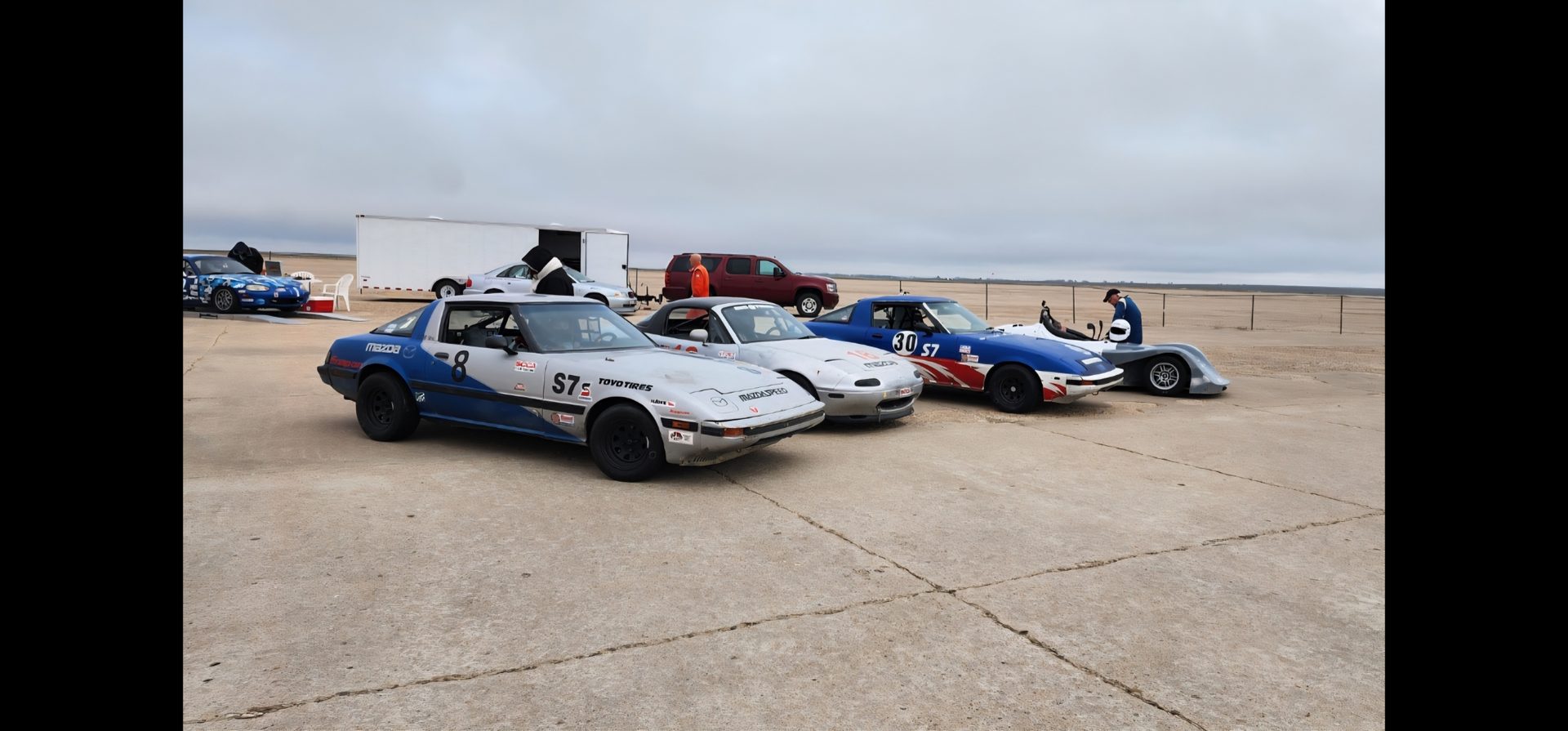 The paddock. This is where mentor relationships actually start — not in an inbox.
A mentor is not a coach
A coach makes you faster. They sit in the right seat, read your data, and fix your entry speed at Turn 5. That's a specific, paid, measurable job, and it's worth every dollar — I made that case in why a coach pays for themselves in two race weekends.
A mentor makes you smarter about the whole thing.
They tell you the used car you're about to buy has a bent frame rail. They tell you that the class you picked has eight cars and the one next to it has thirty. They tell you to call the shop on Tuesday, not Friday, because Friday is chaos.
Coaching is about the lap. Mentoring is about the decision you make between race weekends — which is where most racing careers actually get won or lost.
The four places mentors actually are
Nobody has a "mentor" sign on their trailer. You have to go where the experienced people already stand still long enough to talk.
1. The paddock, on Sunday afternoon. Saturday morning everyone is stressed. Sunday afternoon, when the cars are loaded and the beer coolers are open, is when veterans will talk for an hour. That's your window.
2. Volunteering as a corner worker. This is the most underrated move in grassroots racing and almost nobody does it. SCCA regions will put you on a corner with zero experience and train you on the job. Many regions also run worker incentive programs — the New England Region, for example, gives first-time volunteers a free trial membership for the weekend and a full year's membership by their third. You get a weekend at the track for free, you learn what flags and incidents actually look like from the outside, and you spend two days standing next to people who have been doing this for twenty years.
3. Your HPDE instructor. If you run NASA HPDE, a certified instructor is assigned to you in Group 1 for every session of the weekend at no extra cost. Most drivers treat that as free lapping supervision. It's actually a free relationship with somebody who has already done everything you're about to do. Get their number before you leave.
4. The local shop that builds the cars. Not the chain store. The one with a race car on the lift. Buy your parts there instead of online for one season and you will learn more standing at that counter than in a hundred forum threads.
How to actually ask
Here's where most young racers blow it. They send a long message asking somebody to "mentor" them. That word scares people, because it sounds like a permanent unpaid job.
Don't ask for a mentor. Ask a question.
Ask for ten minutes and one specific answer. Do that four times and you have a mentor, whether either of you ever calls it that.
Something like: "I'm looking at two Spec Miatas this month and I don't know how to tell which one's been wrecked. Could I send you the ads and get your gut read?"
That's easy to say yes to. It's small, it's flattering, and it's a real problem. If they help and you come back later with what happened, the relationship builds itself.
Two things that kill it fast. Don't ask a question you could have answered by reading — I wrote what to look for in a used Spec Miata partly so those conversations could start further down the road. And don't ask for money in the first conversation. Ever.
There's also an honest paid version of this. If you're at a decision point with real dollars on the line and you don't have anyone to call, a 1:1 strategy call is exactly that — an hour of somebody who has already made the mistake, on your specific situation. Sometimes buying the answer is cheaper than buying the lesson.
What you owe them
Mentorship is not charity. It's a trade, and your side of it is simple.
- Be useful. Sweep the trailer. Carry tires. Hold the flashlight. Nobody has ever regretted helping the kid who shows up early and works.
- Report back. If they gave you advice, tell them what happened. Even when you ignored it and it went badly. Especially then.
- Don't waste the answer. The fastest way to lose a mentor is to ask the same question twice.
- Pass it down. In two years there will be somebody at their first weekend, alone, doing everything wrong. Be the person who walks over.
That last one matters more than the rest. The reason grassroots racing works at all is that people who didn't have to help, did.
That's also the whole idea behind Kart to Car — building the structure around a young driver that most of us had to go find on our own, one lucky paddock conversation at a time.
If you'd rather not spend three seasons hoping to bump into the right person, that's what the program is for. Apply to Kart to Car and get the coaching, the car, and the people in one place.
Sources: Motorsport Prospects — Mentoring in Motorsport, Horsepower & Heels — Finding a Racing Mentor, NASA HPDE program overview, New England Region SCCA volunteer program, Milwaukee Region SCCA — how to volunteer. Volunteer incentives and HPDE instructor policies vary by region and were verified against published regional pages as of August 2026 — check your own region before you count on either.
Do you believe?