
Your car is on a lift ninety miles away. The race is in eleven days. You've called twice and texted once, and all you've gotten back is "should be good to go."
That's the moment most racers learn they picked a shop on a handshake and a website.
A good shop keeps you racing. A bad one quietly eats your season. Here's how to tell them apart before you hand over the keys.
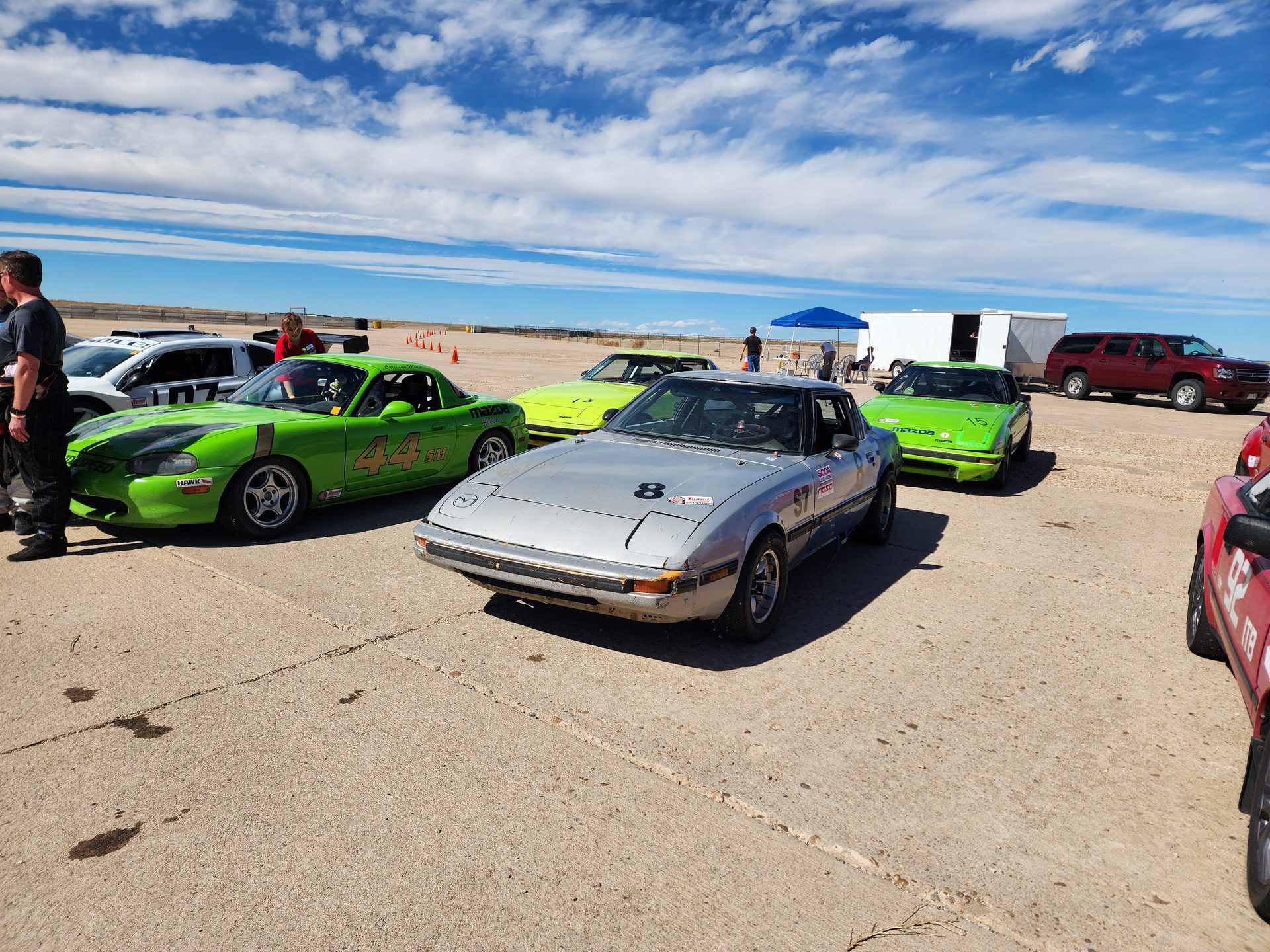
Start with lists other racers already vetted
Don't start with a search engine. Start where the paddock already did the work.
Mazda Motorsports publishes a prep shop directory covering more than twenty shops across four regions. Spec-miata.com keeps its own curated list of race shops with what each one does — builds, engine and transmission work, cages, crash repair, storage, trackside support. Between those two, most of the country is covered.
Then do the part nobody wants to do: walk the paddock.
Go to a club weekend you're not entered in. Find the cars in your class. Look at who's under them. Ask three drivers who preps their car and what they'd change about the arrangement. That third question is the one that gets you an honest answer.
Classic Motorsports puts it plainly — when you're looking at large cash outlays and track safety, you can't proceed without talking in depth with people who have actually worked with the shop. Not the shop's testimonials. The customer standing next to his trailer.
Match the shop to your class, not just your car
Plenty of shops can work on a Miata. Far fewer know Spec Miata.
That distinction is the whole ballgame in a spec class. The rules define what's legal down to the shock, the spring rate, and the bar. A shop that doesn't live in your rulebook can hand you back a car that's fast and illegal, and you won't find out until someone protests you.
So ask directly: how many cars in my class do you currently prep, and when did you last read the rules for it?
You want three things from the answer:
- They run your class now, not five years ago
- They can name the rule when you ask why they did something a certain way
- They've been through tech with your kind of car recently
Classic Motorsports also makes a point most people skip: pick a shop near you. A brilliant shop four states away is a great shop for somebody else. You need to be able to drive over on a Tuesday and look at your own car.
Ask about money in the first conversation
This is where racers get shy, and it costs them.
For context on what normal looks like, independent repair shops in the US are averaging roughly $120 to $159 an hour in 2026, with a national benchmark near $140. Specialty shops commonly run 20 to 30 percent above standard rates. Motorsports work is specialty work. Here in Colorado, one performance shop we've used publishes a $240 per hour labor rate.
That number isn't a rip-off. Race prep is slower, fussier, and more liability-heavy than a brake job on a commuter car. But you need to know it going in.
Get these in writing before any work starts:
- Hourly labor rate, and whether track days or race weekends bill differently
- Shop supplies and disposal fees — the line item that surprises people
- Storage, by the month. Shops near tracks almost all offer it, and almost none publish the price. Ask for the number, not a "call us."
- Trackside support, priced per weekend or per day, and what's included
- The estimate threshold — the dollar amount above which they call you before proceeding
- Deposit and payment terms, especially for parts they order on your behalf
If a shop won't put an estimate threshold in writing, that's your answer. That single line is what stands between a $600 invoice and a $2,400 one.
The six questions that separate a shop from a guy with a lift
Ask all six. The answers tell you more than any shop tour.
1. Can you do my annual tech and sign my logbook? A shop that works in your sanctioning body knows what the inspector wants and can prep for it. If the shop looks confused by the question, they're not a race shop. (If your logbook is a mystery to you too, fix that first — it's your car's medical record.)
2. Who actually touches my car? Shops have a lead tech and they have everyone else. Find out which one is doing your corner balance. There's no wrong answer, but there's a wrong surprise.
3. How many cars do you take to a race weekend? This is the big one for trackside support. A shop running eight cars with three guys is going to triage, and triage means the biggest budget gets the attention. Ask the number and ask the crew size.
4. Who else do you work for? Grassroots Motorsports has been warning about this for years: a shop leaning on one dominant customer is fragile. That customer gets priority service, and if they leave, the shop can go with them. A diversified customer mix is a sign the shop is still going to be there in March.
5. Can I wrench alongside you? Some shops love it. Some can't allow it for insurance reasons. Both answers are fine. But if you're trying to learn — and you should be, because the basic tools pay for themselves fast — a shop that lets you turn wrenches next to them is worth a premium.
6. Do you carry garagekeepers coverage? Garagekeepers insurance covers damage or theft of a customer's vehicle while it's in the shop's care, custody, or control. Know which kind they have. The common form, legal liability, only pays when the shop is legally at fault. Direct primary coverage pays regardless of fault. You're leaving a five-figure car in a building you don't own. Ask.
The red flags
None of these are fatal on their own. Two or more and you should keep looking.
- Won't give you names of current customers
- No written estimate, ever, on anything
- Can't cite the rule behind a build decision
- Your car sits in the same spot for three weeks with no updates
- Storage charges appear that were never quoted
- They talk down about every other shop in the region
- They're already juggling more cars than people on race weekends
The last one is the sneaky one. Shops get overbooked in the middle of a season, and the racer who yells loudest wins. That's usually not you.
Start with one small job
Don't hand a new shop your whole program.
Give them one paid, bounded job first. An alignment and corner balance. A brake refresh. Annual tech and logbook sign-off. Something with a clear scope and a clear price.
Then grade them on four things: Did they call before exceeding the estimate? Did the invoice match the quote? Did they explain what they found? Was the car ready when they said?
Four for four, give them more work. Two for four, you just bought cheap information. That's a much better way to learn a shop than discovering it during your first big repair bill.
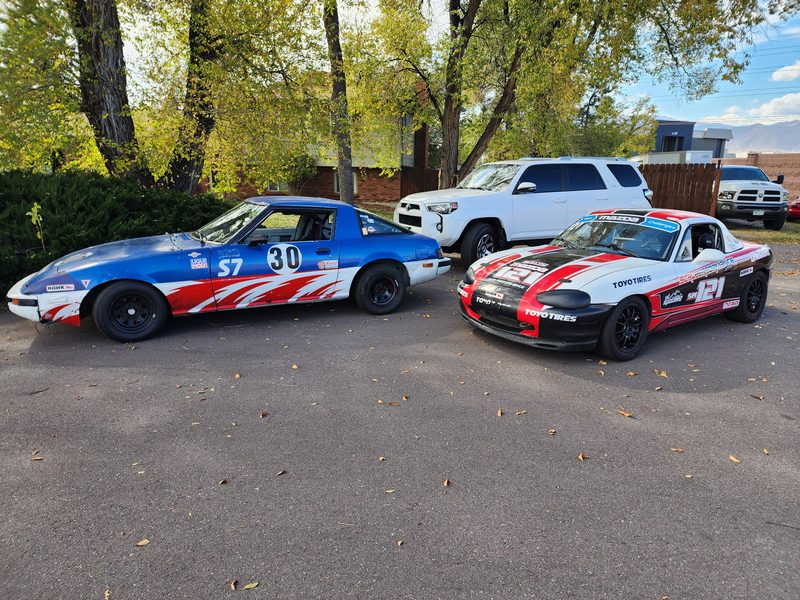
And if the whole shop question is making you tired — that's a real answer too. Our arrive-and-drive weekends exist because some people want to drive, not manage a vendor relationship. $5,000 for a standard car for the weekend, $6,500 for the championship #121, with the crew, the coaching, the data, and the prep already handled. No lift, no invoice, no eleven-days-out phone call. You show up and go racing.
The real test
The shop you want isn't the one with the cleanest floor. It's the one that tells you when a repair isn't worth doing.
A shop that says "you don't need that yet, run it another weekend and let's look again" is a shop that plans to have you as a customer in three years. A shop that finds $3,000 of work on a car that ran fine last weekend is optimizing for this month.
Ownership is expensive enough without paying for the wrong relationship. If you haven't seen the full picture yet, the hidden costs of owning a race car post lays it out, and the used car checklist covers what to inspect before any of this becomes your problem.
Here's the thing nobody says out loud though. Most racers don't need a cheaper shop. They need a bigger budget.
The Funded Season Kit is our $197 program for exactly that — the full system for building a sponsorship package that pays for a season, not a coffee. Prep bills, entries, tires. If the shop invoice is the thing keeping you up at night, the invoice isn't the problem.
Sources: Mazda Motorsports — The Prep Shops, Spec Miata Preferred Race Shops, Classic Motorsports — How to find the right vintage race prep shop, WickedFile 2026 auto repair labor rate data, Insureon on garagekeepers vs. garage liability coverage, Grassroots Motorsports. Labor-rate figures verified against published 2026 sources as of September 2026; the $240/hour Colorado rate is one shop's published rate, not a regional average. LFR arrive-and-drive pricing is our own published rate.
Do you believe?