
The person who said yes is not the last person who has to say yes.
That's the part nobody tells grassroots racers. You get the enthusiastic call from the marketing manager, you tell everyone you landed a sponsor, and then the deal disappears into a building you've never been inside. Weeks go by. Nothing.
It didn't die. It got handed to legal and procurement, and they run a checklist on you.
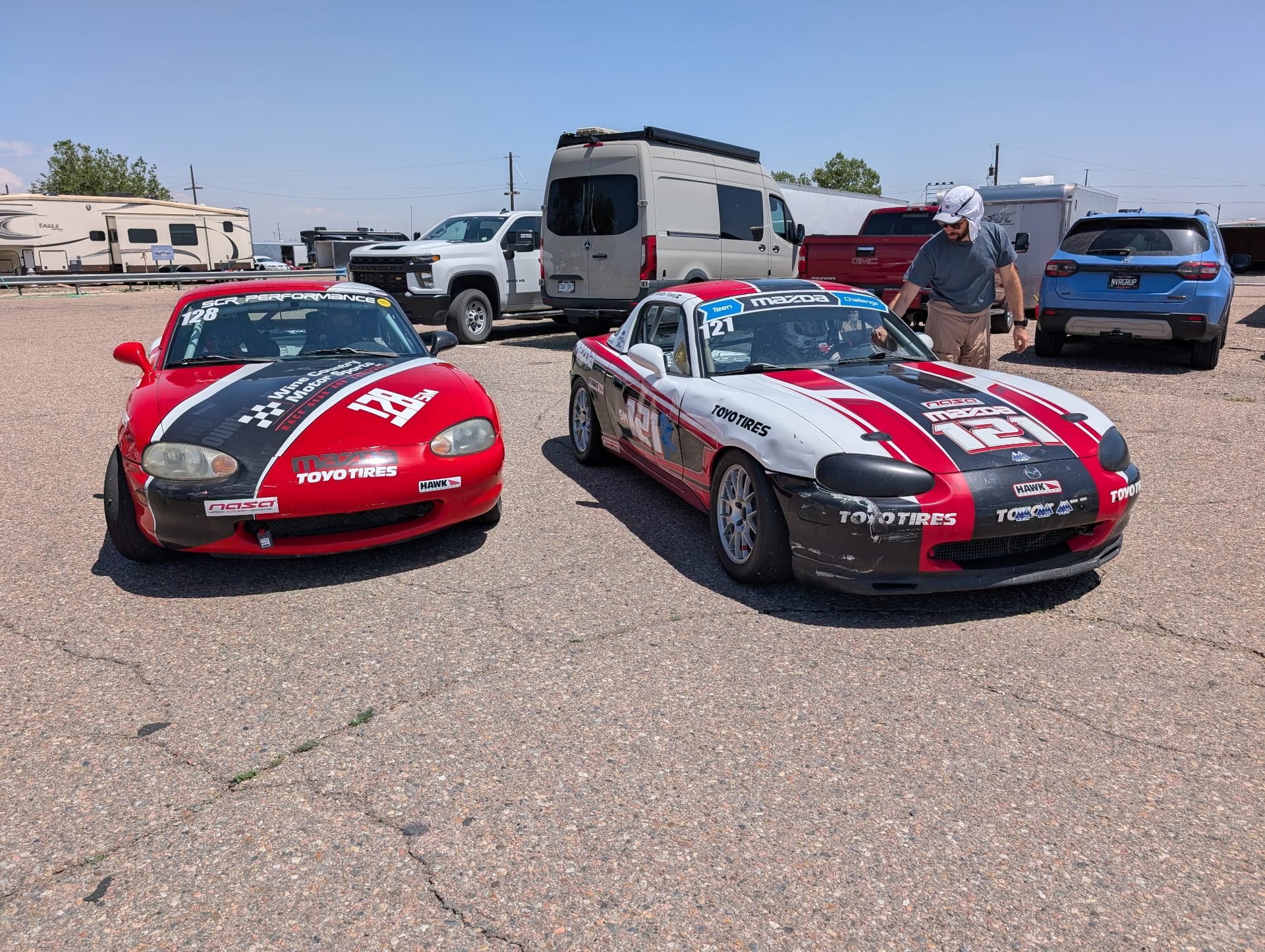 The quiet stretch between "yes" and "signed" is where most first sponsorships stall out.
The Yes Is a Handoff, Not a Finish Line
Marketing wants the partnership. Legal's job is to find reasons it could hurt the company. Procurement's job is to confirm you're a real, safe, payable vendor.
None of that is personal. It's the same gauntlet a software vendor or a catering company goes through. Procurement guides describe it plainly: internal stakeholders across procurement, finance and legal each review a new vendor separately, and simple purchases still take two to four weeks while bigger strategic deals run three to six months.
You are a strategic deal with a tiny dollar figure. That's the worst combination — full scrutiny, low urgency.
The fix isn't to push harder. It's to show up already cleared.
Check One: Do You Legally Exist?
The first question isn't about your lap times. It's whether there's an entity here to pay.
A standard vendor due-diligence checklist starts with business registration, a verifiable legal entity, and identification of who actually owns the thing. Then it moves to financial and insurance verification, then to sanctions and adverse-media screening, then to litigation history.
For a racer, that translates to a short list:
- A legal name that matches your bank account and your tax form, character for character
- A W-9 filled out correctly the first time
- A real business address, not a PO box you never check
- A track record that survives a Google search of your name plus the word "lawsuit"
If you race as yourself, that's fine. Sole proprietors clear vendor onboarding every day. What kills deals is inconsistency — "Jett Johnson" on the W-9, "LeadFoot Racing" on the invoice, and a third name on the bank account. That mismatch alone stalls files for weeks. I walked through the payment side of this in how to invoice a racing sponsor.
Check Two: Are You Insured, and Can They Be Too?
This is the one that surprises people.
Most sponsors don't just want to see that you carry liability insurance. They want to be named as an additional insured on your policy. That gives them standing under your coverage if something you do at a track or an activation event comes back on them.
Two things worth knowing before you agree to that clause:
- A certificate of insurance by itself does not make anyone an additional insured. The policy has to be endorsed. Risk-management guidance is consistent on this — always ask for a copy of the actual additional-insured endorsement, not just the certificate.
- Additional insureds do not get extra coverage. They share your existing limits. Every party you add is another claimant against the same pool.
Sponsorship agreements also commonly ask that your coverage be primary to theirs and that they get 30 days' written notice before the policy changes or cancels. Those are normal asks. They're also asks you should read before initialing, because they can cost you money at renewal.
I am a racer and an engineer, not your insurance agent or your attorney — none of this is legal advice. But it is the part of the paperwork most racers hand over blind. The insurance walkthrough ("Covered or Exposed") and the contract walkthrough ("Before You Sign") both live inside The Get-Funded System, because a deal you can't clear is the same as a deal you never landed.
Check Three: Will You Embarrass Them?
Legal's actual worry isn't your car. It's your feed.
Brand-safety due diligence on a sponsored party is standard practice now — reviewing public social accounts for anything that conflicts with the sponsor's values, because negative publicity by association is the expensive kind. Expect someone to scroll your last two years.
Then comes the morals clause. Morgan Lewis flagged the rise of these provisions in team sponsorship agreements in 2026, as brands push for more protection against reputational harm. Their drafting guidance is worth stealing for your own side of the table:
- Push for objective triggers — charges, indictments, convictions, findings of fraud — instead of letting the sponsor decide unilaterally that you harmed their brand
- Resist language where media reports or social-media backlash alone can end the deal
- Ask for proportional remedies, so a small problem gets a fix instead of automatic termination
A morals clause you negotiated is a partnership. A morals clause you skimmed is a kill switch someone else holds.
Ask for it to run both directions, too. If they get to leave over reputational damage, so should you.

Check Four: Who Controls the Logo on the Car
Every sponsorship is a two-way trademark license, whether the paperwork says so or not.
The standard structure: each side grants the other a limited, non-exclusive license to use its marks, strictly for the agreed promotional purposes, with prior written approval required on materials carrying those marks. Legal will also want you bound to their brand guidelines — correct colors, correct clear space, correct file.
Three practical consequences for a race team:
- Get the official logo files and the brand guide before you order decals. Wrong-color vinyl is an expensive lesson.
- Add "approval will not be unreasonably withheld" to the approval clause, or a race weekend can pass while a post waits in someone's inbox.
- Ask for a standing pre-approval on race photos with the logo visible. Otherwise you're getting sign-off on every single post, all season.
How to Clear the Whole Thing in a Week
Stop waiting to be asked. Send a clearance packet the day you get the verbal yes.
One email, one folder: W-9, certificate of insurance, your legal entity details and remit-to, a one-page summary of deliverables and dates, and a line saying "happy to be added as a vendor before we finalize." Then ask directly who owns the review and what their target date is.
That single move takes you from "unknown person my marketing team likes" to "vendor in process." It also signals something legal genuinely cares about — that you've done this before.
If you want the whole run, from finding the brand through pitching, closing, and clearing the paperwork, The Get-Funded System is the $67 system that carries it end to end, contracts and insurance chapters included. And if you're staring at a real agreement with real dollars on it and you want a human to think it through with you, that's what a 1:1 Strategy Call is for.
Start with the terms you should be asking for in the first place: the one-page sponsorship agreement every racer needs.
Get The Get-Funded System and stop losing deals in the review queue.
Sources: Morgan Lewis — The Rise of Morals Clauses: As Sponsors Focus on Brand Protection, Careful Drafting Is Key, Neotas — Vendor Due Diligence Checklist, Ivalua — Vendor Selection Process: Steps, Criteria & Checklist, Nonprofit Risk Management Center — The Additional Insured, Law Insider — Sponsor Trademarks clause samples. Verified against these published sources as of August 2026. The procurement and vendor-vetting data is general B2B practice, not motorsport-specific, and I'm not going to dress up borrowed numbers as racing numbers. Nothing here is legal, tax, or insurance advice — get your own professional before you sign anything.
Do you believe?