
"We don't really do sponsorship checks. But give us your own discount code, and we'll cut you in on every sale it brings."
It sounds like a bigger deal than the $300 you were going to ask for. No cap, they say — the more you sell, the more you make. Some racers hear that and start doing math on a season funded entirely by their own following.
Read that offer again before you answer it. It isn't a sponsorship. It's an affiliate deal wearing a decal.
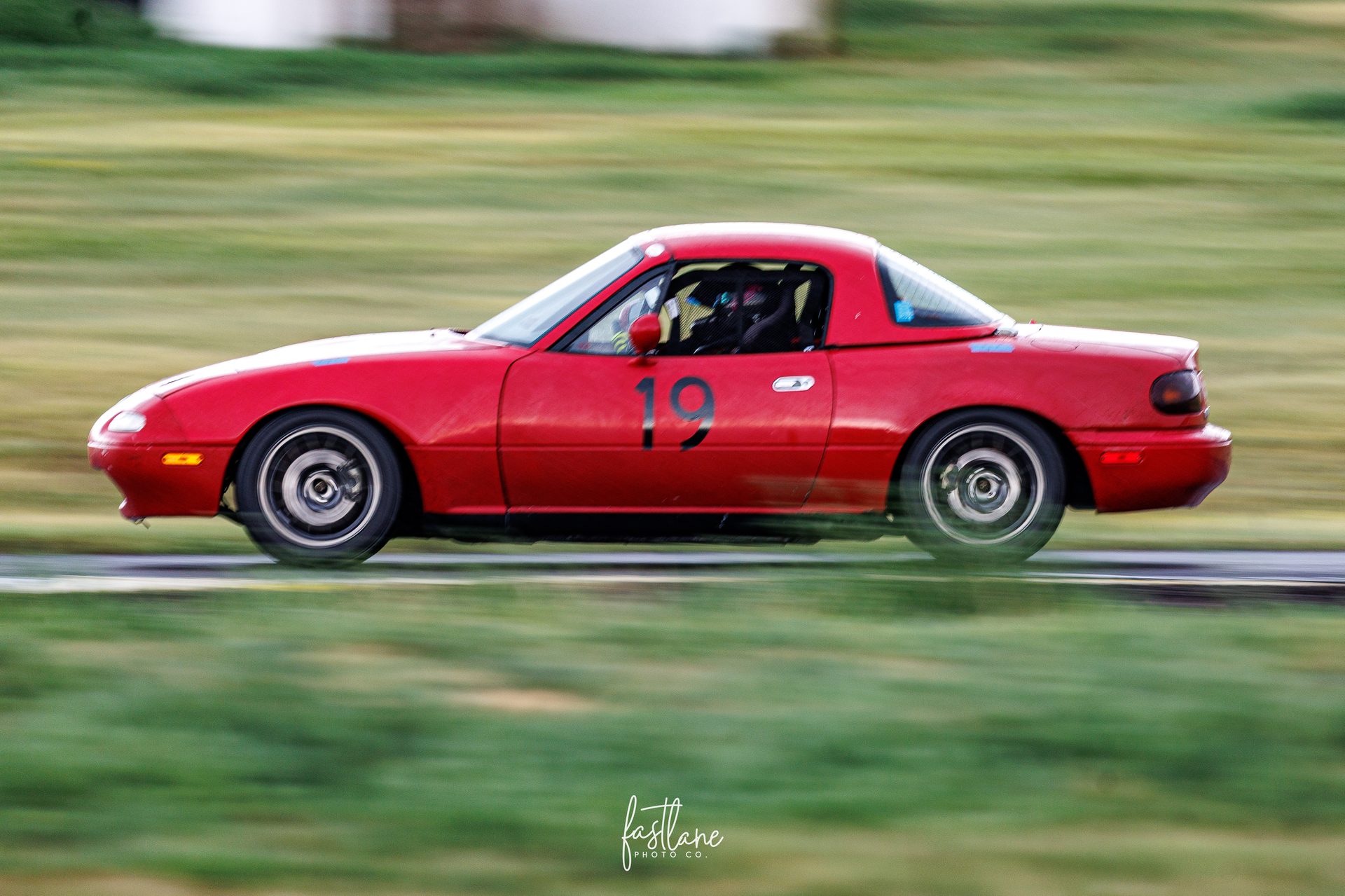 A flat fee pays you for putting the car in front of people. A commission only pays you for what the buyer does after that — a different bet entirely.
What you're actually being offered
Pay-per-lead and pay-per-sale deals aren't new. They run the internet. A business pays an affiliate a set amount for each qualified lead a unique code produces — usually somewhere between $5 and $50. Or it pays a straight cut of the sale. It's the same structure Instagram creators run every day. Your race number is just standing in for a link in a bio.
It's not fake in racing, either. Automotive parts sellers run this exact model with car people right now. JD Customs frames its affiliate tier as the low-friction entry point: a referral code plus commission on qualifying sales. The point, in their own words, is to let an enthusiast "demonstrate responsible promotion, product knowledge, qualified traffic, and referred sales before requesting a larger commitment." That's honest framing. It's a foot in the door, not a replacement for a real deal.
Here's the part that matters more than the percentage. Cash vs. product is about what currency you're paid in. This is about what you're paid for. A flat fee pays for exposure — your car existed in front of an audience, done, invoice sent. A commission pays for a result. Someone else has to build a landing page and an offer good enough to close the sale. Two different bets. Most racers sign the second one thinking it's the first.
This is exactly the kind of "is this actually a good deal for me" question we built the LFR Game Plan Workshop to answer. Bring a real offer, not a hypothetical. Leave with a number instead of a guess.
The risk sits entirely on you
Performance-marketing research is blunt about this. Conversion depends heavily on factors completely outside the affiliate's control — landing page quality, the offer's pricing, what a competitor happens to be running that week. You can put on the best race of your life and post the code everywhere. You'll still make nothing if their checkout page is broken or their price is bad that month.
A flat-fee sponsor pays you whether their marketing team has a good quarter or not. A commission-only sponsor doesn't. You've quietly agreed to underwrite their execution with your own racing.
If a brand won't guarantee you anything for putting their name on your car, ask yourself why they get a guarantee — a sale — before they'll pay you a dollar.
The fix: don't sign pure commission, ask for the hybrid
You don't have to say no to this kind of deal. You have to change its shape.
The standard fix in performance deals, creator or affiliate, is a hybrid. A smaller guaranteed base fee for showing up, plus a real commission on top. One published structuring guide puts the base at roughly 40 to 60 percent of what a flat-fee deal with that same partner would've cost. Layer a 10 to 15 percent commission on top of that, plus a bonus once sales clear a set number.
Translate that to a race weekend. If the flat-fee version of this deal would've been $300, ask for $150 guaranteed plus a real commission on top. Not $0 guaranteed and hope.
That one line — a guaranteed floor — is what separates "we're excited to have you" from "we'd like you to work for free with upside." A brand that believes in the code will happily guarantee a floor. A brand that won't is telling you something about how confident they really are.
This is exactly the kind of specific, this-brand, this-number negotiation where a general playbook runs out. You need someone looking at your actual offer. That's the entire job of the LFR Game Plan Workshop. Bring the real email and the real percentage. Walk out of the two hours with the counter-offer written, not a vague sense of what "fair" means.
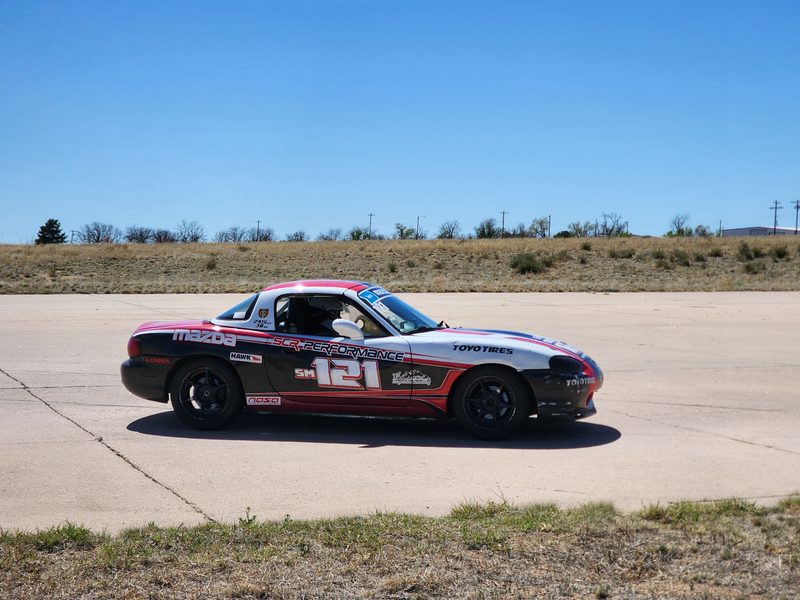 Every logo on that car is a deal with its own terms. The decal is cheap to hand out — the tracking behind it is what makes a commission deal honest.
The tracking is the easy part — do it anyway
A real racing-sponsorship guide published this month gets the mechanics right: give the team a unique discount code or offer only available through them, then track visits and sales on show days. That's exactly the setup a commission deal needs — a code that's traceable to you and nobody else, named for the deal, not "RACE10" copy-pasted from someone else's program.
If the brand can't tell you how they'll attribute a sale to your specific code, that's not a detail to sort out later. It's the entire mechanism the deal depends on. It needs to exist before you post the code once.
It's still real income — treat it like it is
A commission check isn't a gift because it didn't come with a contract. Starting in 2026, a business has to send you a 1099-NEC once it pays you $2,000 or more across the year. Commissions count the same as a flat fee. You still owe them a W-9. They still owe you a clean invoice trail. The IRS doesn't care that the money arrived a hundred dollars at a time instead of one check. We walked through the vendor-onboarding side of this in how to invoice a racing sponsor — read that before the first payment shows up, not after.
None of this is legal or tax advice. Get a real accountant once actual money starts moving.
When it's genuinely worth taking
I'll give this its due. If you're pitching a brand that's never sponsored a racer and has no budget line for you yet, a small commission deal is a legitimate way in. It's the same move JD Customs makes with its affiliate tier: proof before commitment. It costs the brand almost nothing to say yes, and it gives you a real number to show the next brand. We cover that exact opening move in pitching a brand that's never sponsored anyone.
The mistake isn't taking the deal. It's taking the pure-commission, no-floor, untracked version of it because it felt rude to ask for more. Ask for the base. Ask for the real code. Then decide.
You don't have to work out the floor, the percentage, and the counter-offer alone at your kitchen table. Bring the actual email into the LFR Game Plan Workshop. It's two hours live with Jett and nine other racers, built around a pre-session intake so the Q&A is about your real offer. You walk out with a 1-page action sheet instead of a hunch. $297 — the one product built for exactly this kind of "what's the right number for MY specific offer" call.
Want the contract language too? The base-fee clause, the commission terms, the "Before You Sign" chapter — before you ever get an offer like this. The First Sponsor System has it built in, the same documents we use to structure our own deals before a signature goes on anything.
Do you believe?
Sources: Post Affiliate Pro — Pay Per Lead, ContentGrip — performance-based influencer/affiliate deal structuring, Speedway Media — how to sponsor a race team, JD Customs USA — get your car sponsored, OnPay — 2026 1099-NEC reporting threshold. The $5–$50 pay-per-lead range and the 40–60% base / 10–15% commission hybrid structure are general affiliate- and creator-marketing benchmarks, labeled as such — not motorsports-specific figures. The $300/$150 example is a worked illustration of the base-fee math, not a quoted LFR or real-brand price. LFR has not run a commission-only sponsorship deal ourselves; every named LFR partner (Liqui Moly, Engine Ice, OG Racing, Les Schwab) is a flat-fee or product relationship, so this post is the researched playbook, not our own story. Nothing here is legal or tax advice.