
The signature is not the finish line. It's the start of a quiet probation period nobody warns you about.
Most grassroots racers spend six months chasing a yes, get it, and then go completely silent until the next race. The sponsor sits there wondering what they just bought. That gap is where deals go to die.
Week one is the cheapest week you will ever have to make a partner feel smart about their decision.
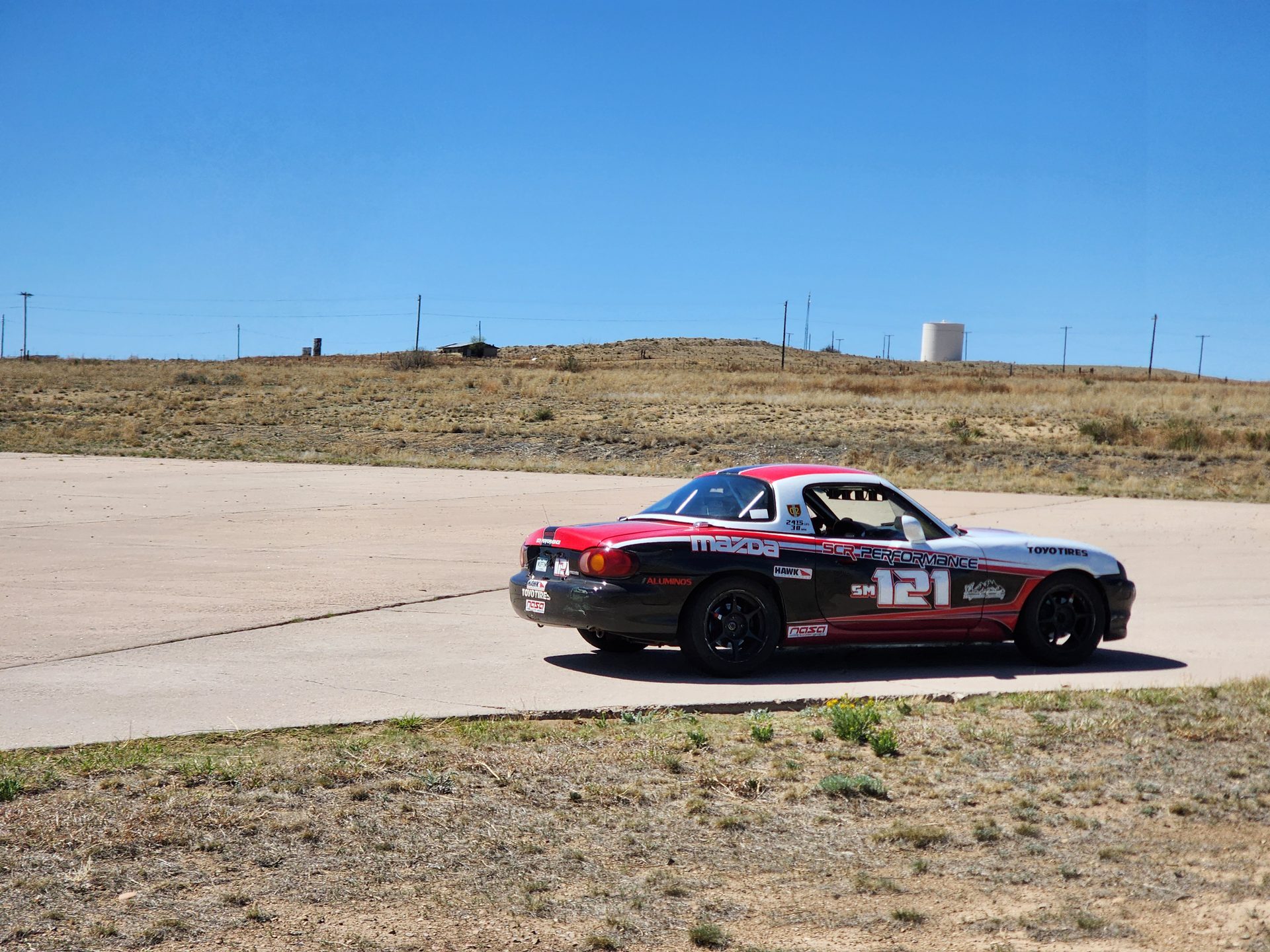
Why the first week decides the renewal
The Sponsorship Collective defines activation simply: making sure your sponsor actually takes advantage of every asset they paid for. That job starts the day the deal closes, not the morning of the next race.
Bishop McCann's sponsor fulfillment checklist is blunt about the sequence. Review and confirm the signed deliverables immediately after signature. Collect assets early. Map placements before anything gets produced. Assign an owner to every item.
Look outside motorsports and the pattern holds. In channel partnerships, the first 30 days are labeled "alignment and access" — kickoff call, positioning, portal access — before anyone expects results. And in subscription businesses (different industry, same human behavior), roughly 44% of cancellations happen inside the first 90 days.
People decide how they feel about a purchase long before the value shows up.
Your sponsor's opinion of this deal gets formed in week one, on the strength of your paperwork — not your lap times.
Day 1-2: Build the deliverable ledger
Open the agreement. Pull every single promise out of it and put it in one table.
Columns: the deliverable, the date it's due, who owns it, and what "done" looks like as proof. Decals by round two. Four social posts. One hospitality pass at Pueblo. A mid-season report.
Two things happen when you do this. First, you find the promise you forgot you made — usually the one that needs lead time, like a printed banner or a livery panel. Second, you stop negotiating from memory later.
Send the ledger to your contact within 48 hours with one line: "Here's everything you bought and when you'll get it."
Almost nobody at the grassroots level does this. That's exactly why it works. The activation menu and tracker we use to build these live inside The Get-Funded System — 16 sellable deliverables, already priced and scripted, so you're not inventing the list from scratch at midnight.
Day 3: The asset swap (both directions)
You need things from them. They need things from you. Ask for all of it at once, in one email, with specs — not in five follow-ups over a month.
Ask them for:
- Logo files in PNG and vector, on both light and dark backgrounds
- Brand colors, correct spelling, and any usage rules
- Their social handles and the person who runs them
- Who in accounting handles vendor setup and invoicing
Send them:
- Your car number, class, and confirmed race dates
- Your handles and audience numbers
- A photo of the car showing where their decal is going
- Your W-9 and vendor paperwork, before they ask
That last one matters more than it sounds. Getting into their vendor system early is half of getting paid on time, and it signals you've done this before.
Day 4: The 20-minute kickoff call
Short call. One question drives it: what would make this obviously worth it to you by November?
Then shut up and write down the answer. Half the time it isn't what you assumed. They may not care about impressions at all — they might want three usable photos a month for their own feed, or an appearance at their shop, or something their regional manager can point at.
Two more questions worth asking on that call:
- Who else at your company should be seeing our updates? (Never build a relationship with only one human.)
- Is there anything coming up on your calendar we should build around?
Then confirm the date of their first report before you hang up. A named date turns a vague obligation into an appointment.
Day 5-7: Placement, calendar, announcement
Placement. Decide exactly where the decal goes and show them a photo of it on the car. Panel space is finite. Sort the hierarchy in week one rather than the Friday before a race with a roll of vinyl in your hand.
Calendar. Turn the ledger into dated entries — every post, every race, every report — and space them out. Channel-marketing teams learned this the hard way: don't dump everything on a new partner at once, drip it so each touch has room to land. Same rule applies to a race season.
Announcement. Post the partnership properly. Not a bare logo. Say why you chose them and what they actually do for the program. Our brand rule is simple: never a generic "proud to be sponsored by" with no context. Explain the product, show it in use, tag them.
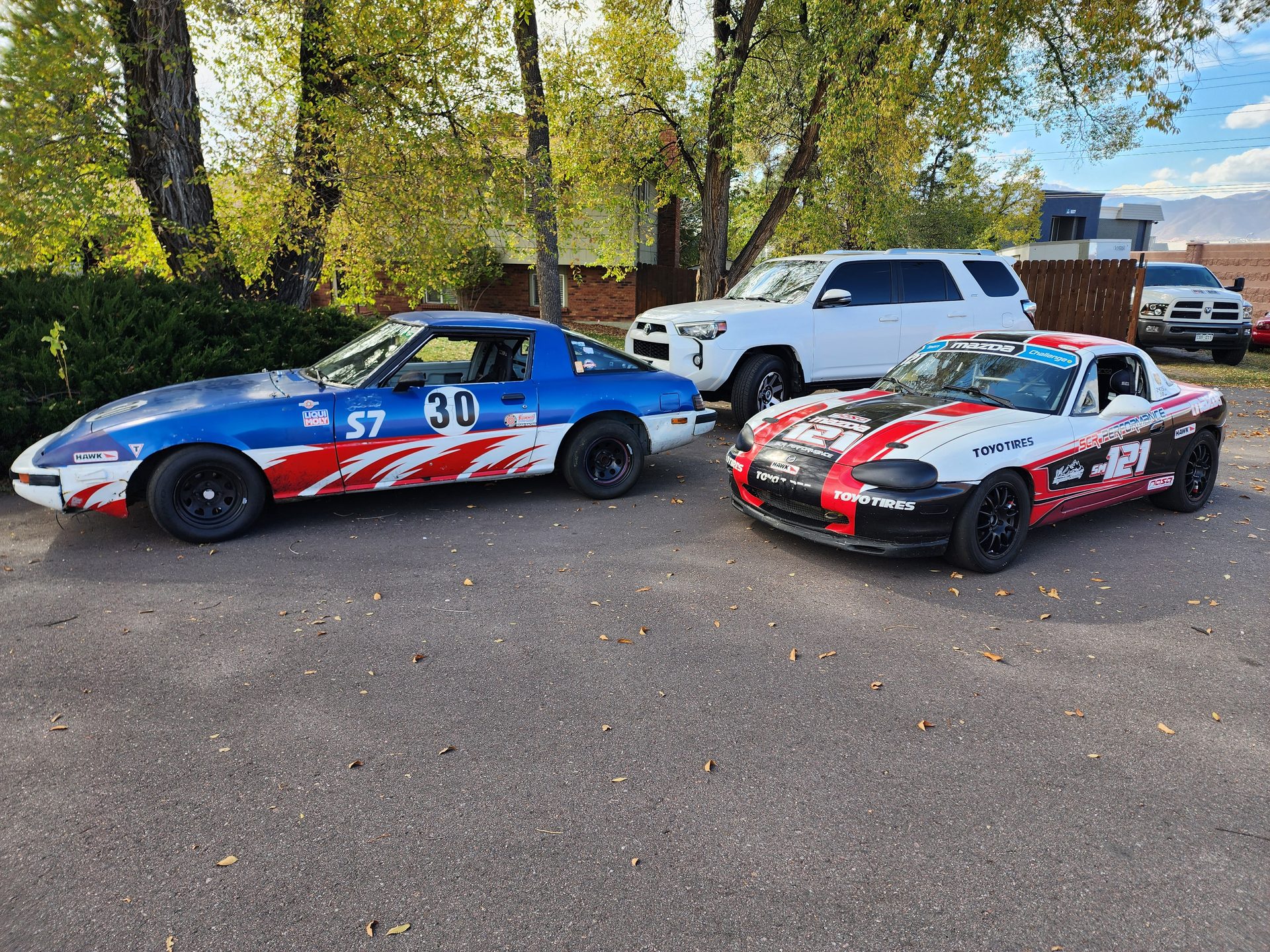
The mistake that ruins week one
Going quiet.
The racer thinks, "I don't want to bother them." The sponsor reads silence as a company that just spent money on a stranger.
The other version is louder and worse: promising something in the kickoff call that isn't in the agreement. Enthusiasm is fine. Unbudgeted extra deliverables are how a good season turns into a resentful one. If the scope genuinely changes, put it in writing.
There's a third one — and it's the expensive one. Racers treat onboarding as admin instead of as the first delivery. What you send in week one is a preview of every report they'll ever get from you. Make it look like the reports you plan to send in mid-season.
If you want a set of professional eyes on your kickoff pack before it goes to a partner, that's what a Sponsorship Proposal Review is for — $147, marked up and returned with a recorded walkthrough in five business days.
Week one is a system, not a personality trait. The ledger, the asset list, the kickoff script, the activation menu, and the report template are all built and waiting inside The Get-Funded System for $67 — the same set we run our own partnerships on. Buy it once, run it on every sponsor you ever land.
Sources: The Sponsorship Collective — Sponsorship Activation, Fulfillment and Renewal, Bishop McCann — The Sponsor Fulfillment Checklist Every Event Manager Needs, PartnerStack — What Great Partner Onboarding Looks Like, Partner Standard — Partner Onboarding: The First 30/60/90 Days, SundaySky — Customer Onboarding Statistics. The 44% first-90-days cancellation figure is subscription-business data, included as a behavioral comparable, not a motorsports statistic. Everything else here is how we onboard our own partners at LeadFoot Racing.
They already believed in you enough to sign. Week one is where you prove they were right.
Do you believe?