
Most new racers aim at the wrong target. They spend weeks polishing a pitch for a giant national brand, hit send, and hear nothing.
Meanwhile the tire shop three miles from their house would've said yes over a handshake.
So let's settle it. For your first sponsor, who's actually easier to land — the local business or the big brand? I'll make the case for both, show you what the research says, and then I want your vote.
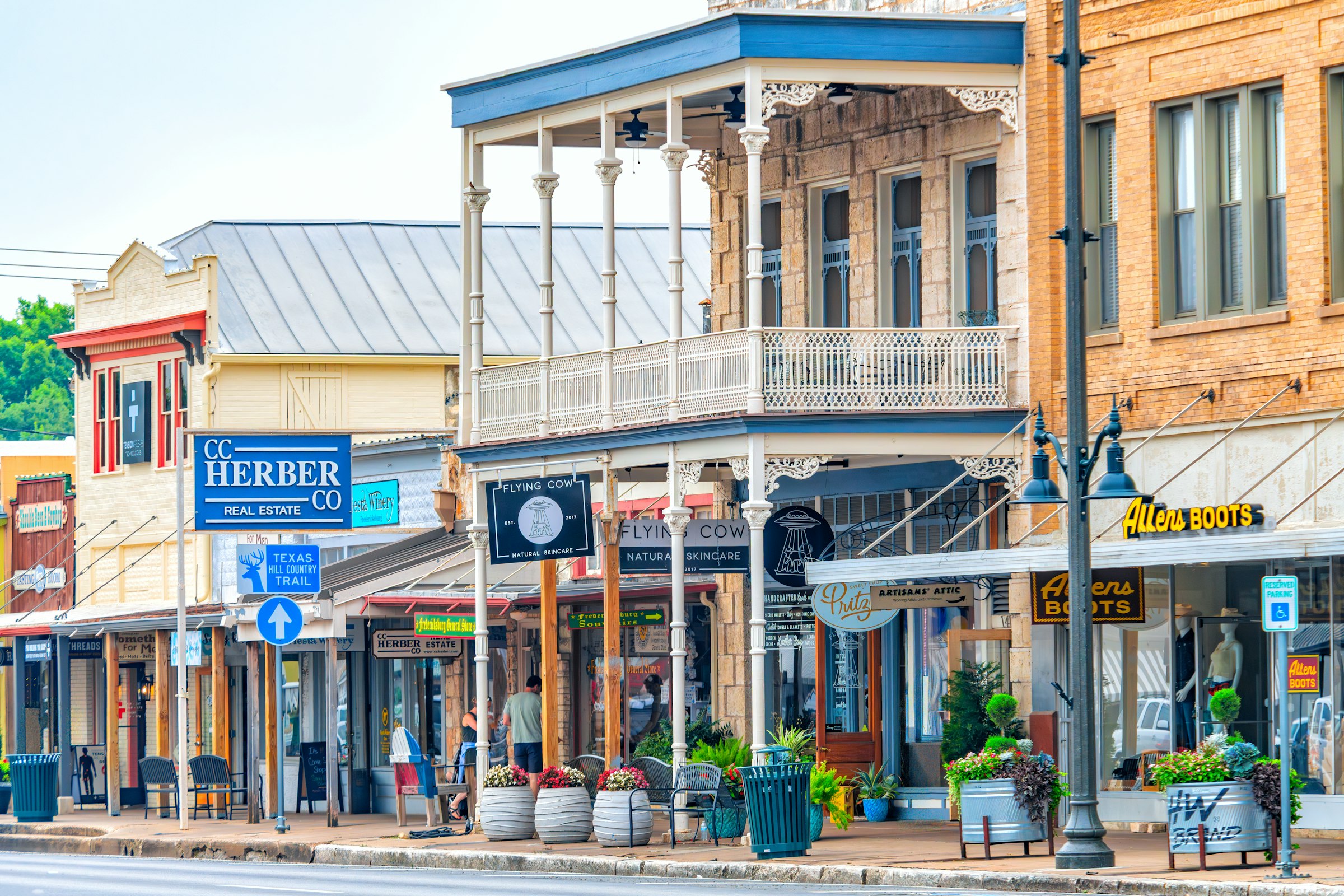 Photo by Land O'Lakes, Inc. on Unsplash.
One decision-maker beats a committee
Here's the thing nobody tells you when you're starting out.
When you pitch a local business, you're usually talking to the person who signs the checks. In smaller companies, the owner, founder, or general manager makes the final call. You pitch on Tuesday. They can say yes on Tuesday.
A national brand is a different animal. Corporate sponsorship decisions rarely belong to one person — they involve marketing, partnerships, brand, communications, finance, and senior leadership. A marketing manager might love your pitch, but they still have to sell it up the chain. That's four "maybes" standing between you and a "yes."
More people in the room means more ways for your deal to die. For a first sponsor with no track record yet, that's the last thing you want.
Local businesses can say yes in one meeting. Big brands need four departments to agree first.
The calendar is working against the big brand
Even when a national brand loves you, timing can kill the deal.
Most companies finalize their marketing and sponsorship budgets in Q4 for the following year. For a corporate deal, you're often looking at 3 to 6 months of relationship-building before the first ask, then 30 to 60 days for approvals — four to eight months from hello to signed. Miss their budget window and you can get a "yes" that doesn't get funded for 12 months.
Local businesses don't move like that. Local dealerships, banks, grocery stores, and shops have a vested interest in the community, are easier to reach, and can make decisions faster. A sponsorship decision is sometimes made in the first meeting.
You have a race season with real dates on it. You don't have eight months. Advantage: local.
The case FOR the big brand (it's not zero)
Let me be fair, because a good pitch answers the pushback before it's asked.
Big brands have bigger budgets, better-known logos, and more product to give. A national deal looks incredible in a media kit and can open doors with the next sponsor. And plenty of grassroots racers do eventually land non-endemic national brands — we wrote about the companies that actually sponsor grassroots racers for exactly that reason.
But notice the word: eventually. Almost nobody lands a national brand as their first deal with zero receipts. You build up to it. You start with a local yes, run that partnership like a pro all season, and use it as proof for the bigger ask next year. Local sponsorships often go regional, then go national.
The big brand isn't the wrong goal. It's the wrong first goal.
Why "local" wins for your first yes
Boil it all down and the local business wins on the three things that matter when you have no track record yet.
- Access. You're pitching the owner directly, not a committee.
- Speed. They can decide in a meeting, not a fiscal quarter.
- Relevance. The racer already lives in the community the business wants to reach. That hometown tie is hard to fake and easy to sell.
There's one more edge racers forget to mention: a local sponsorship is often tax-deductible for the business when it has a clear promotional purpose. (Not tax advice — always point them to their accountant. You're the platform, not the CPA.)
This is exactly why I tell every new racer to start local. And it's why we built a free Local-Business Workbook — it walks you through which businesses in your town to ask, what to actually offer them, and how to frame the ROI so you sound like a partner instead of a kid asking for money. It costs nothing and gets your first pitch out this week. If you only take one thing from this post, take that.
So — who's easier? Cast your vote.
Here's where I'd rather hear from you than guess.
If you're a racer: was your first sponsor local or national? How long did it take to land?
If you're a business owner: would you rather back a local racer or wait for a big-name team to come calling?
Reply to our latest post on Instagram or hit the contact page and tell me which side you're on. I read them. Real answers from real people beat any survey I could fake — so this is a live poll, not a made-up stat.
My honest verdict? For your first deal, local wins going away. The big brand is a season-two problem.
Start with the free Local-Business Workbook and get a pitch out this week. Then, when you're ready to stop guessing and actually work a plan — who to contact, in what order, with a method that keeps you honest — The Get-Funded System is a $67 kit that takes you from "someday" to a real first pitch, with the target list, the method, and the templates in one place. It's the most direct way I know to turn intent into a signed sponsor.
The barrier was never the businesses. It was knowing which door to knock on first.
Do you believe?
Sources: WPWebify — How to Identify Sponsorship Decision Makers, Wild Apricot — How to Get Sponsorship (2026), Double the Donation — Corporate Sponsorship Guidelines, fielddrive — How to Approach Local Businesses for Sponsorship, Flow Racers — How to Get Sponsored for Racing. Decision-maker, budget-cycle, and timeline claims verified against these current published sources as of July 2026. The poll above invites real reader responses; no survey results are fabricated, and no sponsor deals, dollar figures, or quotes are invented.