
Your first wheel-to-wheel entry just got confirmed. Tech inspection wants a suit, gloves, and shoes you don't own yet. Every gear site online tries to sell you fifteen items you don't need.
Here's the short version. You need three things for sure, one or two more depending on your suit, and none of it has to be expensive to be legal.
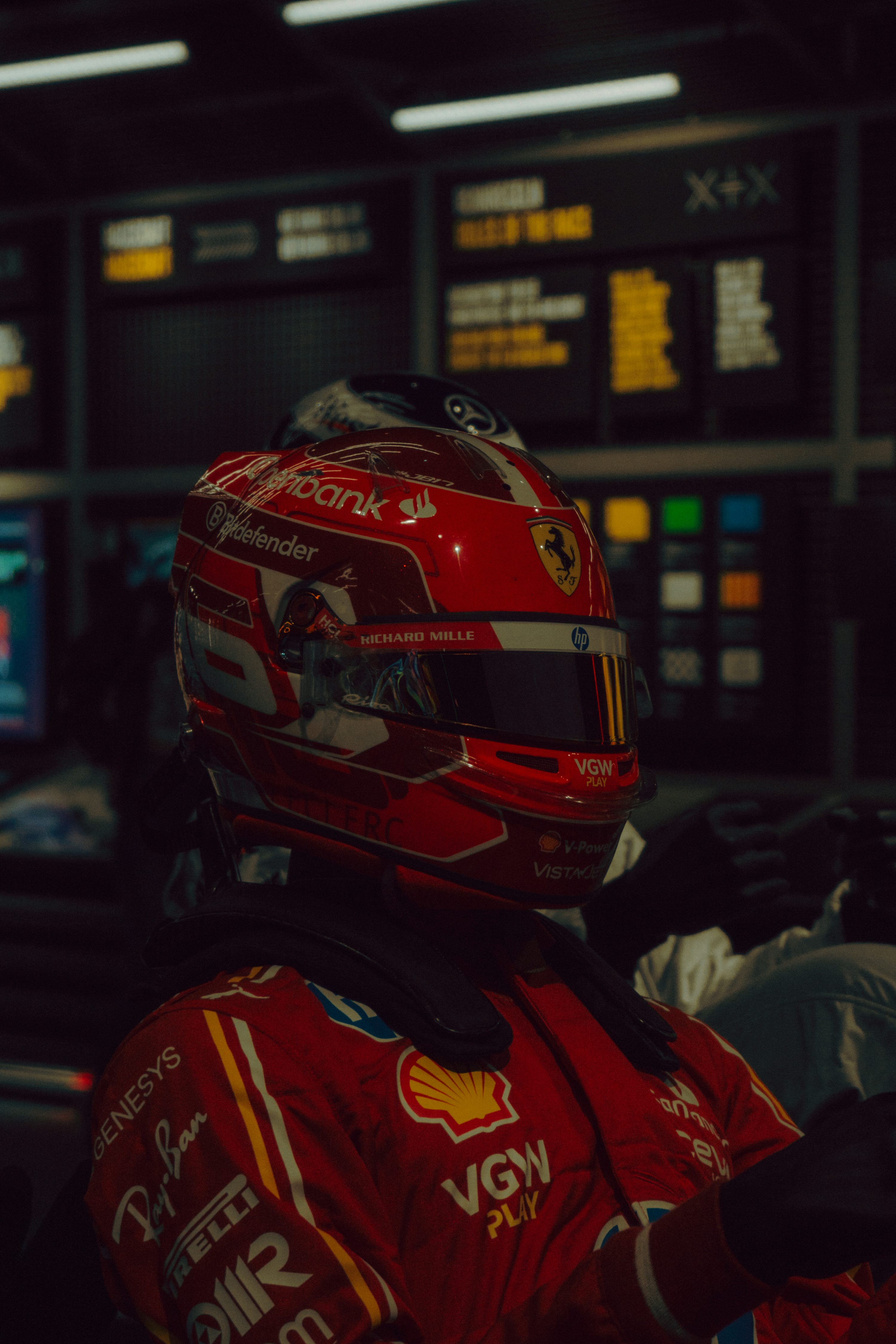 Photo by Justin Reichelt on Unsplash.
What tech inspection actually checks
Start with the rulebook, not the shopping cart. SCCA's own driver safety gear page lays out the floor plainly, and NASA runs on the same logic.
The suit needs an SFI 3.2A/1 or 3.2A/5 rating (or higher), or an FIA 8856-2000 homologation. Higher numbers mean more layers and more time to withstand fire.
Gloves and shoes have a lower bar. They need to be leather or fire-resistant material, with no holes. Shoes have to cover at least the instep. Most club racers still buy SFI 3.3-rated versions of both. They're cheap, and they remove any argument at the trailer.
Socks are mandatory fire-resistant material, full stop. Underwear is where the suit rating actually saves you money: if your suit is SFI 3.2A/5 or higher, fire-resistant underwear is optional. A cheaper 3.2A/1 suit requires it underneath.
A balaclava is only required if you have a beard or mustache. Clean-shaven drivers can skip it entirely, or wear a helmet skirt instead.
Buy in this order
Four items, bought in the wrong order, waste money. Here's the sequence that doesn't.
- Gloves and shoes first. They're the cheapest items on the list. Fit is everything on a pedal or a wheel, and nobody rents them out. You'll wear them at every single event you ever do.
- The suit next. It's the biggest line item on this list. It's also the one place where renting is genuinely on the table if you're not sure this is your sport yet. Both OG Racing and Discovery Parts rent fire suits by the day, the same way they rent helmets.
- Underwear and socks, only if your suit needs them. Check the rating on your suit's tag before you buy this step. A 3.2A/5 suit skips the underwear question entirely.
- A balaclava, only if you have facial hair. Save the $25 to $100 if you don't.
That order gets a clean-shaven driver with an SFI 3.2A/5 suit to full legality in three purchases, not five.
Real 2026 prices for a first kit
These are live listed prices, not estimates.
| Item | Entry price | Mid-tier |
|---|---|---|
| Gloves (SFI 3.3/5) | $54.99 (Allstar double-layer) | $89–$120 (Alpinestars, G-Force) |
| Shoes (SFI 3.3/5) | $67–$80 (Allstar, Zamp) | $90–$149 (RaceQuip, Sparco Race 2 via OG Racing) |
| Suit (SFI 3.2A/5) | $239.99–$299.99 (Allstar, size-dependent) | ~$450 (Speedway Motors Formula) |
| Fire-resistant underwear, full set | $113–$149 | — |
| Nomex socks | ~$50 | — |
| Balaclava (SFI 3.3) | ~$25 (Zamp) | $50–$100 (Bell, Alpinestars) |
Add up gloves, shoes, and an entry suit and a clean-shaven driver is legal for roughly $350 to $500. Add fire-resistant underwear, socks, and a balaclava for a fully-covered kit and the honest range climbs to roughly $500 to $750.
(Fair disclosure: OG Racing is one of our safety-gear partners. The Sparco price above is public on their site, not a special rate.)
That's a wide range on purpose. Size, brand, and whether you even need the underwear step all move the number. Don't trust anyone who quotes you one flat figure for "a racing gear kit" — ask what's actually in it.
Fit matters more than the label
Two suits with the identical SFI rating perform identically in a fire. What's different is whether they fit you.
A suit that's too tight restricts your shoulder movement at the wheel. Too loose, and excess fabric bunches under a harness. That bunching is uncomfortable for four hours, and it actually reduces protection right where it bunches. Order from a brand's own size chart, by your height and weight — not your street clothing size.
Gloves need to be tight enough that you can still feel the wheel's texture, not so tight your fingers go numb after twenty minutes. Shoes should have a thin sole. You're driving with your foot, not your shoe.
Buy your suit and gloves with enough lead time to try them on and send back a bad fit. A helmet you buy used is a hard no — we've covered why — but a suit or gloves in good condition, without any visible flame damage, is a more defensible way to save money if you know someone stepping up out of theirs.
By the way, even our own Arrive & Drive drivers show up with their own gear. The car, the tires, the crew, and the coaching are all covered. This is the one race-weekend cost that's still on you, no matter which path you take. It's worth getting right the first time instead of buying twice.
Where this fits with the rest of your gear
This kit is specific to wheel-to-wheel racing. If you're doing your first HPDE track day in a street car, none of this applies yet. Check our track day gear checklist first — a Snell helmet and closed-toe shoes are all a beginner needs.
Once you own a suit, gloves, and shoes, the next question is how long they last. Unlike a helmet or a harness, most of this gear has no printed expiration date. You replace it when it wears out, not on a calendar. And if you're still deciding whether to rent the suit or buy it outright, our full rent-versus-buy breakdown has the real 2026 rental prices and the breakeven math.
The helmet is its own purchase entirely, with its own price ladder — we broke that down separately because it deserves its own math. And once this kit is done, the next big-ticket item is the head-and-neck restraint — here's why you need one.
The bottom line
Gloves and shoes first, because they're cheap and nobody rents them. The suit second, because it's the expensive one and the one you can still rent if you're unsure. Underwear only if your suit's rating requires it. A balaclava only if you have facial hair.
Do that, in that order. A clean-shaven first-time wheel-to-wheel racer gets to a legal kit for a few hundred dollars — not the thousand-plus a full gear-site cart implies.
If gear cost is the thing standing between you and your first race, the bigger lever usually isn't a cheaper suit. It's a sponsor covering the cost of racing at all. The First Sponsor System bundles the templates, questions, and tools to land that first sponsor, for $67.
Do you believe?
Sources: SCCA Race Experience: Driver Safety Gear, Allstar Performance racing gloves, shoes, and suits, OG Racing Sparco Race 2 driving shoes, NASA. Prices verified against live vendor listings as of September 2026. Gear ratings and required items vary by sanctioning body and region — always confirm against your organizer's current rulebook before you buy.