
Your first season is over. Twenty people put their names on your car. Now it's November, and you're staring at a blank page wondering how to ask the same twenty people again without sounding like a broken record.
Here's the good news. You don't send the same ask. A year-two ask is a different letter, to a different kind of reader. These people already said yes once. They aren't deciding whether you're worth a shot. They're deciding whether to stay. Across 15,102 nonprofits, only about 43.3% of donors gave again in 2025, per the Fundraising Effectiveness Project. Staying is not the default.
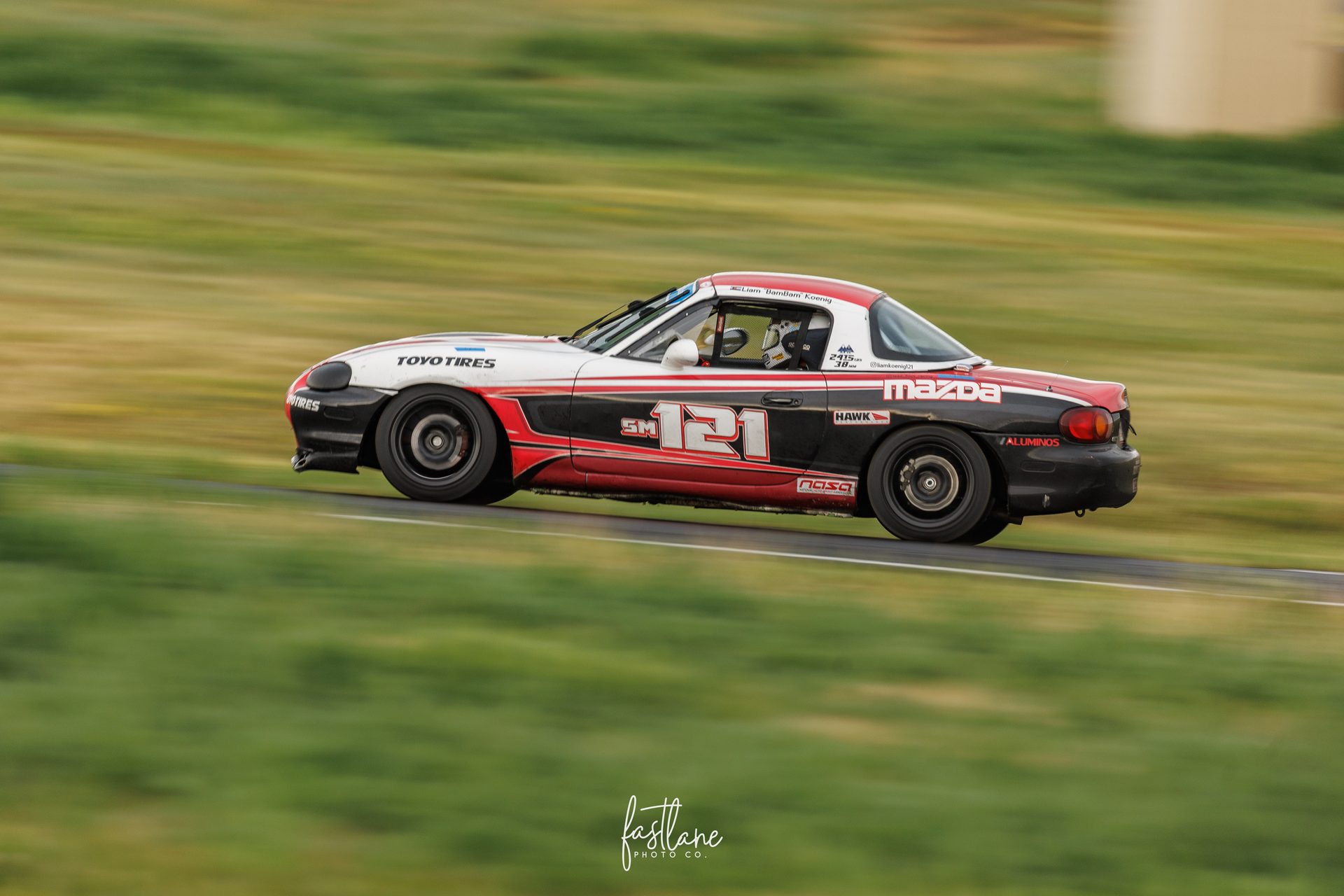 Returning supporters have already seen the car. The letter's job is to show them the next season.
If you're building the whole pipeline (first ask, reports, renewal, tracking), that's the job of The First Sponsor System. This post is just the renewal letter. I'll cover when to send it, what goes in it, and how to word the ask.
What this is not
Two posts already cover neighbors of this one, so let me draw the lines.
The thank-you calls post is about what keeps supporters around during the year: reports, photos, proof. That's the groundwork. This post is the ask itself.
And if a business is renewing a bigger deal, use how to negotiate sponsorship renewals. A $50 family supporter and a $2,500 business sponsor need different letters.
When to send it
Nobody has a controlled study on racing supporters, so I can't give you a magic date. Here's what fundraisers who do this daily say. GiveCampus, a fundraising software company, describes an "anniversary appeal" as one made "on or near the date a donor previously made a gift." That's a practitioner idea, not a proven rule.
For racing, I'd anchor to the season instead. My suggestion:
- Send after your last race, once the season wrap is in their inbox.
- Wait a week or two. The wrap should land first, then the ask.
- Finish before your entries open. Your deadline should be tied to something real, like your first entry fee, not a made-up date.
Most of your supporters gave around one moment, like a holiday supper or a first race. If someone backed you in November, a November letter is their anniversary.
What goes in the letter
Keep it to one page. Four parts, in this order.
1. What their money did. Not "thanks for your support." Say what it bought. "Your $50 and nine others covered my Pueblo entry fee." A NASA weekend entry runs about $500, and that's a number a supporter can picture.
2. What happened this season. Three honest lines. Where you finished, what you learned, what broke. If it was a rough year, say so. People who back a racer aren't buying a trophy case.
3. What next season looks like. The schedule, the car, and what the year will cost. "Six weekends. Entry fees alone are about $3,000." That's my arithmetic from the roughly $500 entry, and it doesn't count tires, which run about $1,200 a set.
4. The ask, with options. This is where most letters go wrong. We'll fix it next.
Word the ask around their last gift
Two fundraising writers, Julie and Brett Cooper, put the logic plainly in their newsletter: "Donors tend to give similar amounts each time they donate." Their advice is to anchor the ask to the last gift.
They warn about both directions. Ask way too high and the donor might "NOPE out." Ask too low and you're, in their words, "practically inviting your donor to 'reset' their giving to a lower amount."
That's practitioner advice, not a study, but it matches common sense. Here's how I'd adapt it for a supporter who gave $50:
| Option | Amount | Why it's there |
|---|---|---|
| Stay | $50 | The easy yes |
| Step up | $75 | A small, specific bump |
| Bigger role | $125 | For the supporter who wants more |
The step-up and bigger options are my own arithmetic, roughly one and a half times and two and a half times the last gift, borrowed from the Coopers' ask-string idea. Pick numbers that fit your tier sheet instead. If your top tier is $250, name it.
Then add one new thing for returning backers. A better spot on the car, a paddock visit, a signed print. They've earned it.
Write the letter so that saying "same as last year" is the easiest answer in the room.
Make no painless and yes simple
Two small rules.
First, give a clear "no pressure" line. "If this year isn't the right year, I understand, and I'm still glad you were part of last season." Supporters who say no politely often say yes the year after. Supporters who feel pushed don't.
Second, make paying easy. One link, one reply email, or a check handed over at the next family dinner. Every extra step costs you a supporter.
If you did the work during the season, this is the payoff. The First Sponsor System includes the sponsor tracker, so you know who gave, when, and how much before you write a word. Without that list, you're guessing at last gifts.
What to leave out
- A match or a contest. No "double your impact" gimmick. You can do that, but it's a separate play, and it's not the year-two letter. If you're curious, read ask a sponsor to match your supporters after.
- A guilt line. Never "I can't race without you."
- A new story. Don't change your pitch. Show them the same racer, one season older.
- Three reminders in three days. One follow-up a week later is plenty.
Where we stand
LFR hasn't sent a year-two letter to a friends-and-family supporter list. Our support has come from businesses like Engine Ice and OG Racing, with product and discounts. The letter structure and ask options here are my suggestions, built from published fundraising advice, not our own results.
Start with the list
A renewal letter is easy when you know who gave what. If you want the tracker, the outreach templates, and the report format already built, The First Sponsor System is $67, once. Set it up now, and next November's letter is a five-minute edit.
Do you believe?
Sources: GiveCampus, "Smart Appeals for CYE" (anniversary appeal definition), Julie and Brett Cooper, "Your mini guide to individual ask amounts in your appeals," The Fundraising Writing Newsletter (Oct. 2, 2024), DonorPerfect, AFP FEP Q4 2025 summary. The fundraising advice is nonprofit donor practice, not motorsports research, and neither source cites response-rate data. The entry-fee and tire figures come from our own racing cost reference. LeadFoot Racing has no supporter-renewal data of its own.