
Most racers treat every sponsor objection the same way. They hear something that isn't "yes," they say thanks for your time, and they close the file.
That's the expensive mistake. Some objections mean the deal is dead. Most mean the deal is alive and you just got handed the next question. Knowing which is which is most of the job.
So here they are, ranked from most alive to most dead, with the comeback I'd actually send.
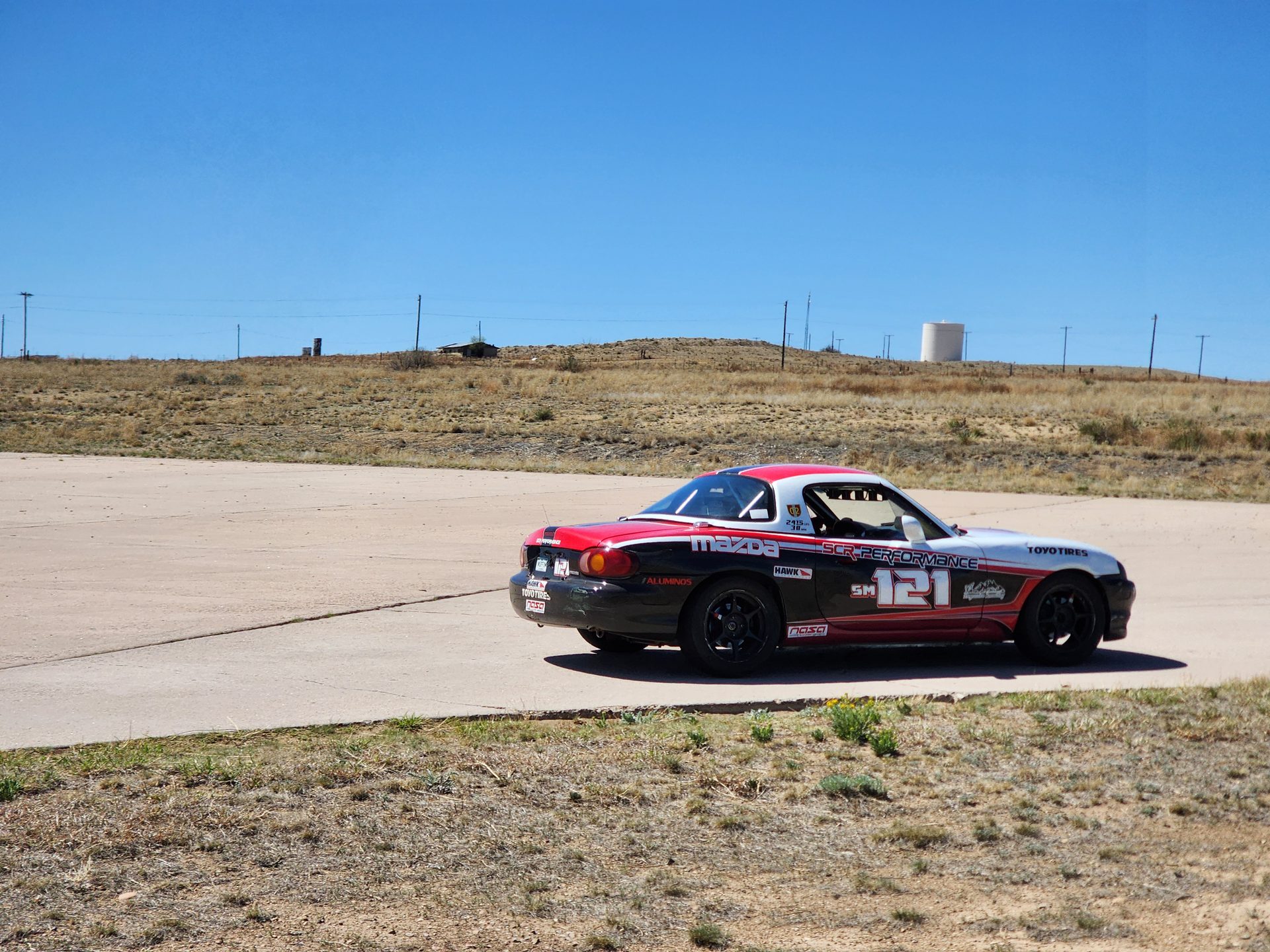 Our #121. Every objection below is one we've heard chasing partners for this car.
First, the thing nobody tells you
The same handful of objections show up over and over. Kickscale, a sales conversation-intelligence company, says its own review of more than 100,000 recorded sales calls found five objections appearing in roughly 80% of lost deals — no budget, already using someone else, not a priority, not interested, and "just send me info." That's their internal data, not a peer-reviewed study, so hold it loosely. But read that list again and tell me it isn't your inbox.
Their bigger claim is the useful one: people who answer objections with a prepared framework instead of improvising win more. The racers who get funded aren't smoother talkers. They just already knew what the brand was going to say.
If you'd rather find out what objection your pitch is causing before a real sponsor sees it, that's exactly what our $39 Pitch Teardown is — you send your actual email or proposal, we mark it up in writing and hand you a rewritten opening.
1. "Just send me some info." — Deal's alive, but this is a trap
This is the most common response in grassroots sponsorship and the most misread. The Sponsorship Collective calls it what it is: usually a polite brush-off.
Here's the part that stings. If you just send a PDF, you lose. The attachment gets filed, the thread dies, and you spend three weeks telling yourself they're reviewing it.
The comeback: "Happy to. So I send you something useful instead of a generic deck — are you more interested in local visibility around your store, or content your team can reuse on your own channels? I'll build the one-pager around that answer."
You just turned a brush-off into a discovery question. Now you know what to sell.
2. "We don't have the budget right now." — Deal's alive, wrong calendar
"No budget now" almost never means "no budget ever." It means you showed up in the wrong month.
The Sponsorship Collective's advice here is to stop hearing a verdict and start asking a clarifying question: when does budget become available, and can we reconnect then? Marketing money runs on fiscal-year cycles, and grassroots asks are small enough that they usually come out of a discretionary line — which resets.
The comeback: "Totally fair. When does your next budget cycle open? I'll put a reminder in and come back with a package sized for what's actually there."
Then actually come back. I broke down which months land best in the best and worst months to pitch racing sponsors.
3. "We already sponsor someone." — Deal's alive, and they're a proven buyer
Racers hear this and run. It's backwards. A company already spending on sponsorship has done the hard part: they've decided this category works.
RTR Sports, a motorsport sponsorship agency, makes the same point about competitive saturation — if a business is already funding something similar, sponsorship is serving an objective for them, and there's usually room for a differentiated angle their current deal doesn't cover.
The comeback: "That's good to hear — it means this works for you. Can I ask what you're getting out of that one? If it's covering [X], I'm probably not a replacement. I'd be the piece that reaches [the other audience], and here's what that looks like."
Never bash the other racer. Ever. You're offering a different audience, not a better driver.
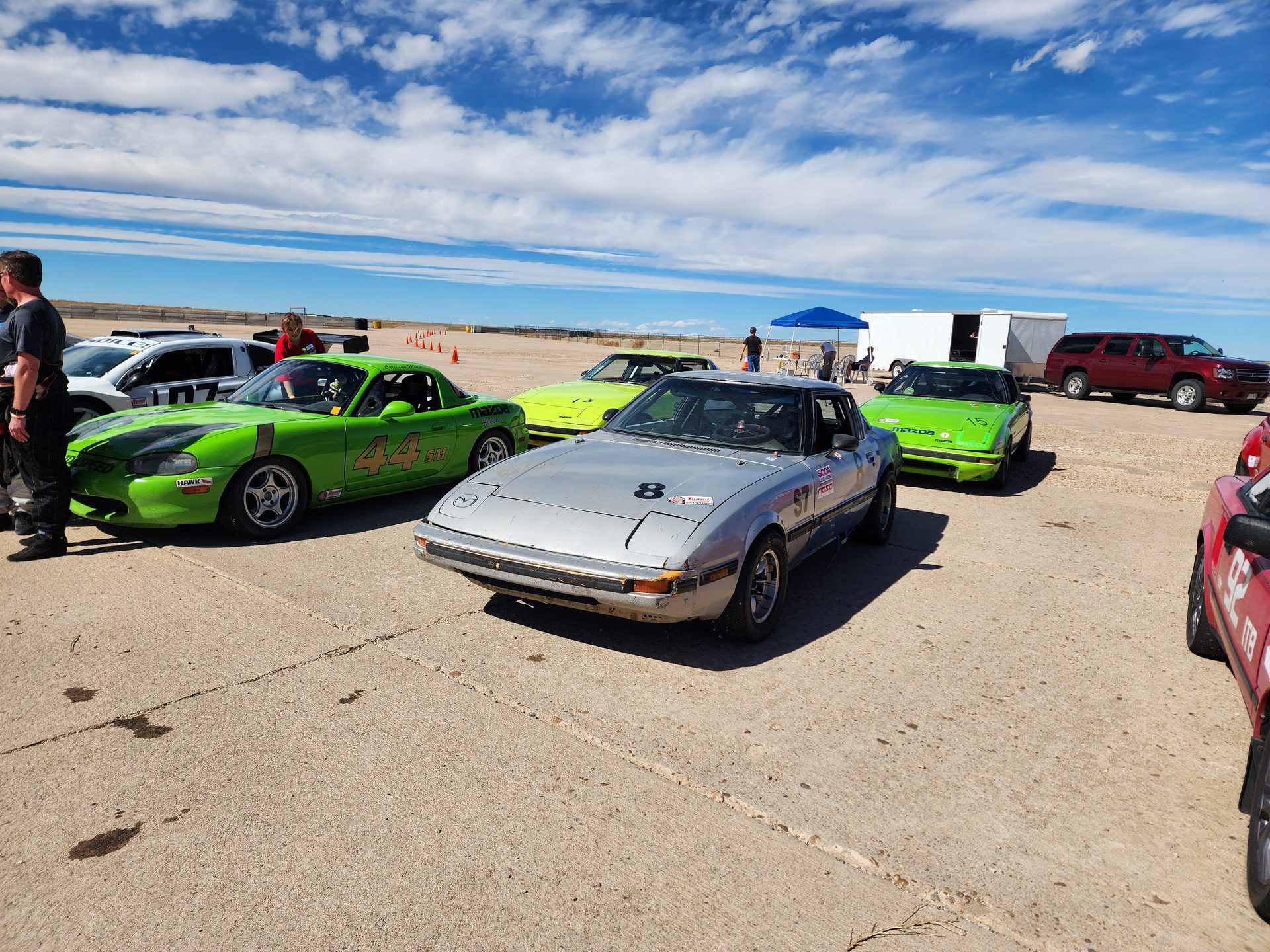 The cars a sponsor is actually buying into. What you put in the package matters more than what you say on the phone.
4. "It's not a priority right now." — Alive, but only if you get a date
This is the parking-lot objection. Soft, polite, and it will hold your deal forever if you let it.
"Not right now" with a date attached is real pipeline. "Not right now" without one is a no you haven't been told yet. So ask for the date.
The comeback: "Understood. Is this a 'circle back after the season' thing or a 'this isn't for us' thing? Either answer is genuinely fine — I just don't want to bug you at the wrong time."
Give them a graceful exit and you'll be shocked how often they don't take it.
A no you can plan around is worth more than a maybe you can't.
5. "Our customers aren't racing fans." — Alive, but you're selling the wrong thing
This one is real, and it's fatal if you answer it with fan statistics. You won't convince a plumbing supply company that its customers watch club racing on Saturdays. Don't try.
Sell the activation instead of the audience. A race car parked outside their shop, a photo set with their staff, a discount code, content they can post for a year. RTR lists wrong-audience as one of the objections brands raise most — and reach numbers are the wrong answer to it.
The comeback: "You're probably right that they don't follow racing. What I'm actually offering is a car in your parking lot for a Saturday, a photo set with your team, and a tracked code we report on monthly. The racing is the reason people stop and look."
Deciding what to put in that package is where most pitches quietly fall apart. The activation menu, pricing math, and reporting templates in The Get-Funded System exist for exactly this moment, and the free 25 email templates will get you to the conversation in the first place.
6. "We're not interested." — Respect it, then use it
A firm no is the one objection I don't fight. Racing Mentor puts it well: a clear no frees you to spend that energy somewhere it can convert. But it isn't nothing. Ask one question on the way out.
The comeback: "No problem, thanks for the straight answer. Last thing — was it the fit, the timing, or the ask? It genuinely helps me not waste the next person's time."
That answer is the most valuable thing in your whole outreach process. And a no isn't always permanent: Racing Mentor describes a client who turned a firm rejection into a £50,000 deal by going back, researching the business properly, and re-pitching to what it actually needed.
Silence, by the way, is a different animal entirely — I wrote about why brands ghost racers after the first email separately, because that one needs follow-up, not a comeback.
The pattern under all six
Five of these six objections are questions in disguise. The racer who gets funded is the one who answers the question instead of hearing a rejection.
And most of them can be defused before they're ever spoken, by writing a pitch that pre-answers the obvious ones — the budget size, the audience mismatch, the "what do I even get." That's the whole reason Pitch Teardown exists. Send us your real pitch, and within five business days you get it back marked up in writing, with a rewritten opening you can paste and the three fixes that will move your reply rate most. It's $39, which is less than one set of used tires and considerably more likely to pay for your season.
Want the whole method instead of one review? The Get-Funded System is $67 and covers pricing, packages, outreach, and reporting end to end.
The nos aren't the problem. Not having an answer ready is.
Do you believe?
Sources: The Sponsorship Collective — How to Overcome Objections in Sponsorship Sales, RTR Sports — Overcoming 15 Motorsport Sponsorship Objections, Racing Mentor — Dealing With Rejection on a Motorsport Sponsorship Pitch, Kickscale — Objection Handling in B2B Sales. Verified as of August 2026. The 100,000-call figure and the £50,000 re-pitch are those companies' own reported numbers, attributed as such — everything else here comes from LFR's real outreach.