
Your kid just aged out of karts. Now the coach, the paddock, and the internet are all telling you two different things. Half say "get in a Spec Miata." The other half say "you need Formula 4 or you'll fall behind." Both can't be right for the same driver. Let me walk you through how to actually decide.
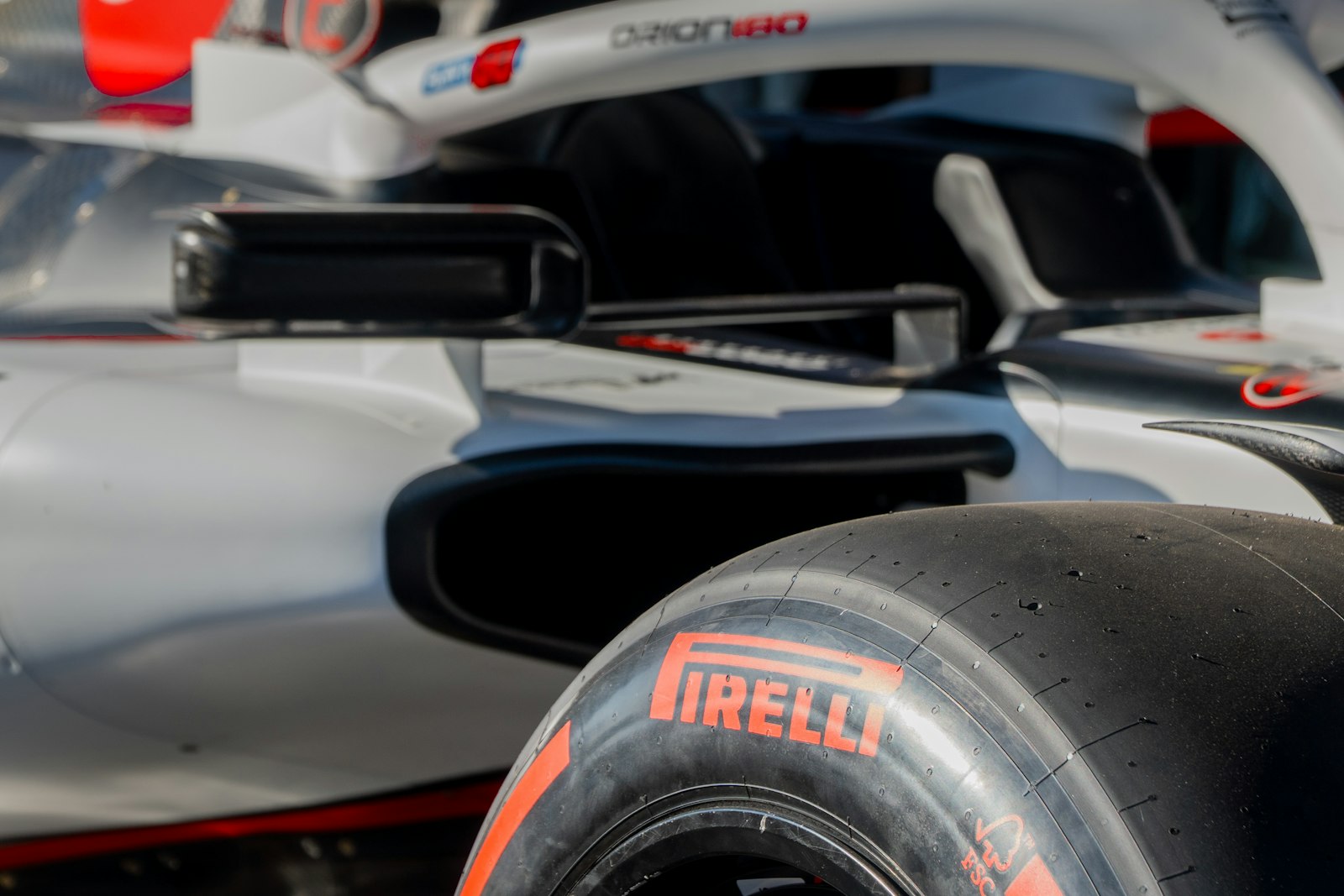 Photo by Rob Wingate on Unsplash.
The Honest Money Difference
This is the part nobody says plainly. So I will.
A Spec Miata season runs roughly $12,000 to $25,000 a year once the car is built, depending on how many weekends you run and how often you replace tires. A used race-ready car costs anywhere from about $6,000 to well over $60,000 depending on its win history. A competitive club weekend is around $2,000 to $3,500 all-in — a fresh set of tires alone is about $1,200, plus entry and fuel. You can dip toward $1,000 to $1,500 on used, heat-cycled tires with no incidents, but treat that as the floor, not the norm. The upside of a light, low-power car is that it's easy on tires, so a careful budget racer can stretch a set further than most classes allow.
Formula 4 is a different universe. A new F4 car is around $40,000 to buy. A full F4 US Championship season, run through a professional team the way it's designed to be run, costs roughly $130,000 to $195,000. European F4 costs even more.
That's not a small gap. That's the difference between a hobby a family can sustain and a full-time financial commitment.
If money is a real constraint — and for most families it is — that answer alone often makes the decision.
What Each One Actually Teaches
Cost aside, these cars build different drivers.
Spec Miata is a momentum car. Low power, skinny tires, close racing. You win by carrying speed through corners and racing hard door-to-door in a giant field. It teaches racecraft — traffic, patience, tire management, and the fine art of not throwing away a good result. Those are the skills that transfer to almost everything else you'll ever drive.
Formula 4 is a downforce car. The current FIA/Ligier F4 car carries a minimum weight of 570 kg — about 1,250 pounds with the driver aboard — runs wings and slicks, and corners at speeds a Miata simply can't touch. It teaches a young driver how to trust aero grip, how to brake deep into a high-speed corner, and how to work with data engineers on a professional team. If the goal is single-seaters overseas, those lessons are directly relevant.
Neither one is "better." They're teaching for different destinations.
The Career Question Is the Real Question
Here's the fork that matters most.
Is your driver chasing a professional single-seater career — the F1 ladder, IndyCar, or a paid seat in pro sports cars? Then Formula 4 belongs in the conversation. F4 championships award FIA Super Licence points, and the spec formula means the lessons carry over when a driver steps up to F3 and beyond. It's the recognized on-ramp for that specific dream.
Or does your driver want to race — for years, competitively, without needing racing to become their income? Then Spec Miata is one of the best values in all of motorsport. Mazda's factory support is the gold standard in club racing, the community is huge, and a family can maintain a competitive car in their own garage.
Most young drivers, if we're honest, are in the second group. And there's zero shame in that. A long, joyful racing life beats a short, expensive gamble.
We built our whole Kart to Car program around helping families sort out exactly this question before they spend a dime they didn't need to.
Why We Point Most Kids at Spec Miata First
I run a Spec Miata team. So take this with that context. But here's the reasoning, not the bias.
You can learn almost every core racing skill in a Miata for a fraction of the cost. Then, if a driver shows real talent and the funding lines up, they can step up to a formula car later without having wasted their early years. Going the other direction — burning six figures in F4 and then discovering the budget's gone — is the story I see end careers.
Spec Miata also gives a young driver something F4 rarely does at this stage: a lot of seat time in a lot of races. More laps, more starts, more wheel-to-wheel decisions. For a developing driver, reps beat exotic machinery almost every time.
There's a reason so many pro drivers have a Miata somewhere in their history.
A Colorado Note
If you're local to us, the math gets even friendlier. Spec Miata runs regularly with NASA Rocky Mountain at High Plains Raceway in Byers and Pueblo Motorsports Park. That means real competition an hour or two from Colorado Springs and Denver — no cross-country hauling, no chartering a pro team's rig across the country for a single race.
Formula 4 in the U.S. is a national series. Running it means travel, logistics, and a professional operation following the calendar. For a Colorado family, the practical difference in a race weekend is enormous.
So, Which One?
Here's the short version I give families at the track:
- Pick Formula 4 if the goal is a professional single-seater career, the budget genuinely supports $130k+ a year, and your driver has already shown standout talent in karts.
- Pick Spec Miata if you want the best competition-per-dollar in motorsport, you're building skills for the long haul, or you simply want your kid racing hard for years without betting the house.
Most drivers should start in a Miata. The rare few with the talent and the funding for a pro path can always step up — and they'll be better for the racecraft they learned first.
If you're staring at this decision right now and want a straight answer for your kid's specific situation, that's literally what Kart to Car exists for. No pressure, no upsell — just a real conversation about the right next step.
Sources: F4 US Championship — Getting Started, NASA — Spec Miata, No Money Motorsports — Cost of a Spec Miata Season, RacingJunk — Karting and F4: Two Entry Points. Costs verified against current published rates as of July 2026, plus my own experience running a Spec Miata team.
Do you believe?