
Most grassroots racers will take any check that clears.
I get it. You've sent 40 emails, heard back from two, and one of them finally said yes. Saying no to that feels insane when you're short on tires and the season starts in three weeks.
But some yeses cost you more than they pay. And the racers who learn to turn down the wrong deal end up with better ones. Here's why.
 Photo by Ambre Estève on Unsplash.
A lucrative deal isn't always the best deal
There's a line I keep coming back to from athlete-marketing folks who do this at a much higher level than us: a lucrative deal isn't always the best deal — the wrong partnership can damage your credibility and alienate fans.
That's not soft advice. It's the whole game.
Your car, your socials, your name — that's your platform. When you bolt a brand onto it, you're telling your community "I stand behind this." If the fit is wrong, your audience feels it before the brand does.
When sponsor alignment feels forced, it doesn't just fall flat. It quietly costs you the trust you spent years building.
The athletes who do this at the highest level guard their values harder than their paydays — they'll walk away from a sponsorship that conflicts with what they stand for to protect their long-term brand. They have far more leverage than you or me. But the principle scales all the way down to a $500 local deal.
What a "bad" sponsor actually looks like
I'm not talking about small sponsors. Small is fine. Small is where every one of us starts.
A bad sponsor is a misaligned one. Watch for these:
- Values that clash with your community. For LFR that's an easy filter — we won't touch alcohol, tobacco, vaping, or anything that makes a 14-year-old driver feel unwelcome. Your line might be different. You need one.
- A brand you'd never actually use. A good gut check athletes use: would you use this product without being paid? If the honest answer is no, your audience will smell the ad.
- No real audience overlap. The best sponsors are businesses that already have a connection to the people you reach. A brand chasing 45-year-old golfers isn't a fit for a feed full of teenage karters, no matter what they pay.
- They want control they haven't earned. If a first-year local sponsor is dictating your content, your schedule, and your other partners for $300, that's not a deal. That's a leash.
None of these are about the size of the check. They're about the fit. A misaligned sponsor drains your time and credibility, and both of those are worth more than the money at this stage.
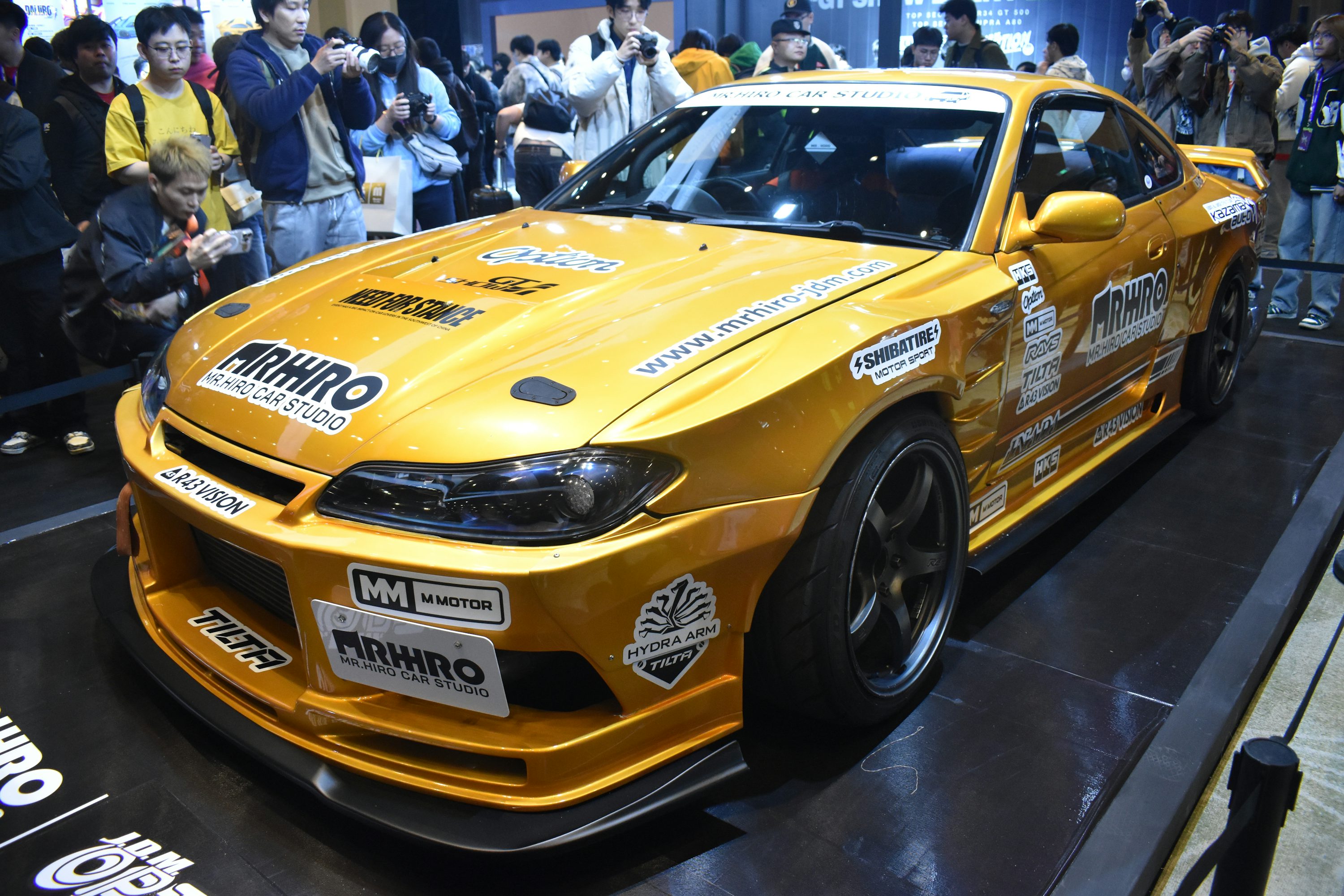 Photo by fangfei shi on Unsplash.
The hidden cost of the wrong yes
Say you take the bad deal anyway. Here's what it actually costs.
First, your car real estate is finite. Every logo you add makes the next one worth less. Fill your quarter panel with a brand that doesn't fit, and the good sponsor who comes along next season sees a crowded, random-looking car and a lower-value slot.
Second, your time. A misaligned sponsor still expects activation — posts, photos, mentions, a report at year-end. You'll spend the same hours you'd spend on a great partner, for a worse relationship and a check that doesn't move your season.
Third, your positioning. When racers approach a business that's clearly a poor match, it can quietly damage their credibility because the brand knows it's a stretch. The same is true in reverse. A mismatched logo on your car tells the next brand you'll say yes to anyone.
We built The Get-Funded System partly because of this. It's $67 for the research on companies that actually sponsor grassroots racers — plus the method to land them — so you're spending your outreach hours on real fits instead of forcing a bad one just to have something on the car. Aiming better beats settling.
How saying no makes the next yes easier
Turning down a bad deal isn't just avoiding a negative. It actively builds the thing that lands better sponsors: a clear, credible platform.
When your car and your feed tell one coherent story — youth development, clean brand, a community that trusts your recommendations — the right sponsor sees themselves in it immediately. You're not asking them to imagine the fit. You've already proven you protect it.
That's leverage. Athletes who build a strong, consistent brand before they negotiate get to be selective, and selective people get better offers. It works the same at the grassroots level. The racer who's known for only running partners that fit is the racer a good brand wants to be seen next to.
Every one of LFR's real partners — Engine Ice, Les Schwab, OG Racing — makes sense on our car. A parent, a young driver, a fellow racer looks at that lineup and it reads as true. That coherence didn't come from taking everything. It came from being willing to pass on what didn't fit.
How to say no without burning the bridge
You can turn a deal down and keep the relationship. Most of the time you should.
- Be honest and specific. "I don't think we're the right fit for what you're trying to reach right now" beats vague stalling.
- Point them somewhere useful if you can. Another racer, another platform, a better time of year. Generosity is remembered.
- Leave the door open. Businesses grow. Your platform grows. A no this season can be a yes in two years.
- Never trash them publicly. That's a brand rule for us and it should be one for you. The racing world is small.
A clean no protects your platform and your reputation. Both of those are the assets that sell your next real deal.
Knowing which deals to chase and which to pass on is most of the sponsorship game. If you want the full framework — how to prospect the right brands, price your value, and close the partners that actually fit — that's what we put in The Get-Funded System for $67. It's the playbook I wish someone had handed me before I took a few deals I shouldn't have.
Not every check that clears is worth cashing. The racers who understand that end up with the ones that are.
Do you believe?
Sources: First Five Marketing — How Athletes Can Take Control of Brand Partnerships, The Sponsorship Collective — 5 Examples of Bad Sports Sponsorships, The Sponsorship Collective — Community Event Sponsorship Strategies. General sponsorship principles verified against these sources as of July 2026, combined with LFR's own experience choosing partners. All sponsor names referenced are LFR's real, current partners.