
Adding a charity to your race car feels like a cheat code. A sponsor gets to do good, you get a better story, and a kid's hospital gets a check.
Sometimes it works exactly like that. Other times you've made a public money promise, in writing, that your state has rules about. Most racers find that out after the decal is printed.
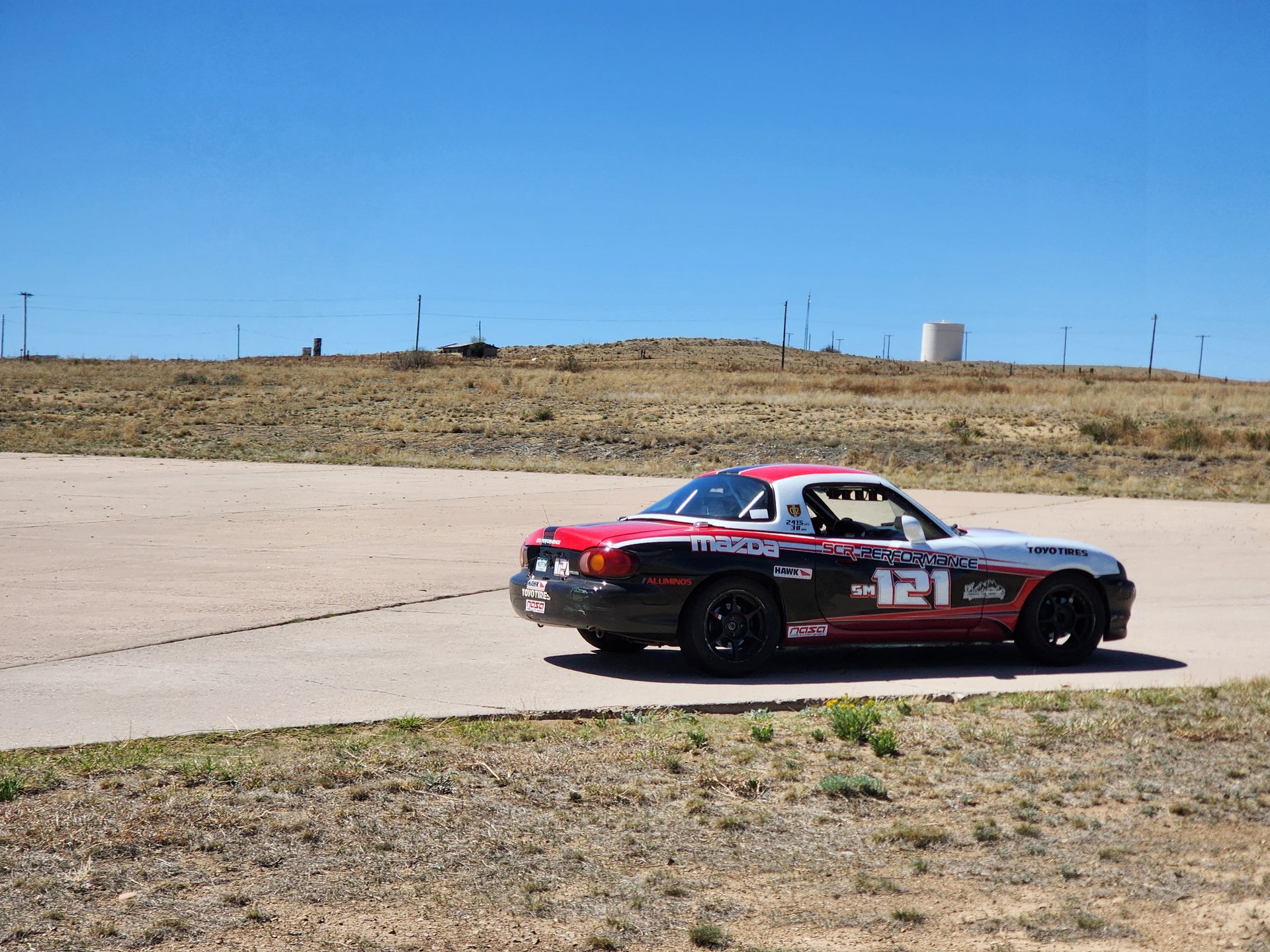 The #121 mid-corner. Every square inch of that bodywork is a promise to somebody.
Why a cause can help (and where the data stops)
There's real data that people like brands with a purpose. In a 2019 Porter Novelli/Cone survey of 1,193 US adults, 86% said they were likely to buy from purpose-driven companies.
Two honest caveats. That's one firm's survey, and it's from 2019. And in that same study, the car ad was the exception. There, the plain "here's what it does" message earned more trust.
So a cause can warm up a sponsor. It does not replace the pitch. Racers who get this right treat the charity as one piece of a marketing deal. Every racer's version is a little different. That's why I like to work through this setup live in the LFR Game Plan Workshop.
Mistake 1: Using the charity's name without a signed OK
A charity's name and logo are its brand. You can't borrow them because your heart's in the right place.
Charities spell this out. Take Project Night Night. Anyone who wants its logo must sign a written contract that says how the logo will be used. Until then, using the name or logo is "strictly prohibited."
Call the charity first. Get a yes in writing before anything goes on the car, the website, or the sponsor deck.
Mistake 2: Saying "a portion of proceeds"
This is the big one. The Better Business Bureau's charity arm is clear. A promotion should state the actual or anticipated amount of the purchase that will help the charity. Think a set amount per item. It flags vague words like "proceeds" and "profits" as a red flag.
Here's my own confession. Our LFR shop page says merch is coming and "a portion of every sale" goes to our scholarship fund. We haven't sold a shirt yet. But writing this post, I realized that's the exact wording I'm telling you to avoid. That line needs a real number before the first shirt sells.
Pick a number people can check. "$10 from every shirt." "$5 for every lap we complete this season." Not "a portion."
Mistake 3: Forgetting that your state has rules
When a business tells buyers a purchase helps a charity, many states call that a charitable sales promotion. The business running it is a "commercial coventurer."
We race in Colorado. Here, the Secretary of State says coventurers don't have to register. But they must disclose the dollar amount or percent per unit that goes to the charity (C.R.S. 6-16-110). Other states go further. A 2019 Mintz overview says Massachusetts requires registration with its Attorney General and a $25,000 surety bond.
Legal write-ups don't even agree on how many states regulate this. So don't guess. If your sponsor sells anything "for charity" through your car, they need to check the rules in every state where they sell.
Mistake 4: Picking the cause for you, not the sponsor
Your favorite charity might mean nothing to the business you're pitching. That's my read, not a study.
Ask the sponsor what they already support. If they already give somewhere, bring them a way to show off that cause. Now you're making their marketing better. If you bring them yours, you're asking for a second donation.
Mistake 5: Letting the charity become the pitch
Sponsorship isn't charity. I've written about the words that make a pitch sound like a donation request. Leading with the cause does the same thing.
Lead with what the sponsor gets: reach, events, content, people. Then offer the charity piece as a bonus they can talk about. Put the dollar amount, the time window, and any cap in your one-page agreement so nobody remembers it differently in October.
The clean version, in one sentence
Here's a template I wrote, not a real deal: "With written approval from [Charity], [Sponsor] will donate $5 for every lap the #121 completes in the 2027 season, up to $1,500, with a receipt shared at season's end."
Named charity. Signed OK. A fixed number. A start, an end, and a cap. A receipt.
Want help building yours? Bring your exact setup to the LFR Game Plan Workshop. It's a 2-hour live Zoom with me and up to 9 other racers, $297. You fill out an intake form first, so I know your sponsor, your cause, and your car before we start. You leave with the recording and a one-page action sheet.
If you'd rather have the materials built for you, the Full Sponsorship Kit ($597) builds your deck, one-pager and priced tiers. A charity add-on can be written into those tiers the right way.
Before you print a single decal, grab a seat in the Game Plan Workshop and let's get the wording right together.
This post is general information, not legal or tax advice. Charity rules change by state. Check with a lawyer or your state's charity regulator before you launch a promotion.
Sources: Porter Novelli/Cone 2019 Purpose Biometrics Study (survey of 1,193 US adults, March 2019; dated), BBB Wise Giving Alliance, Cause Marketing Do's and Don'ts (May 2021), Colorado Secretary of State, Charitable Solicitations Act summary (2012 annual report, citing C.R.S. 6-16-110; check the current statute), Mintz via National Law Review, Commercial Co-Venture Compliance in All 50 States (February 2019), Project Night Night cause-marketing guidelines. The sample sentence is a template I wrote, not a real sponsor deal. LFR has never run a charity tie-in with a sponsor. Sources checked November 2026.
Do you believe?