
Thanksgiving is November 26. Somewhere between the turkey and the pie, an uncle is going to lean over and ask, "So how's the racing thing going?"
That's not small talk. That's the warmest sponsor meeting you'll get all year. And a lot of racers waste it with a shrug and "it's expensive, man."
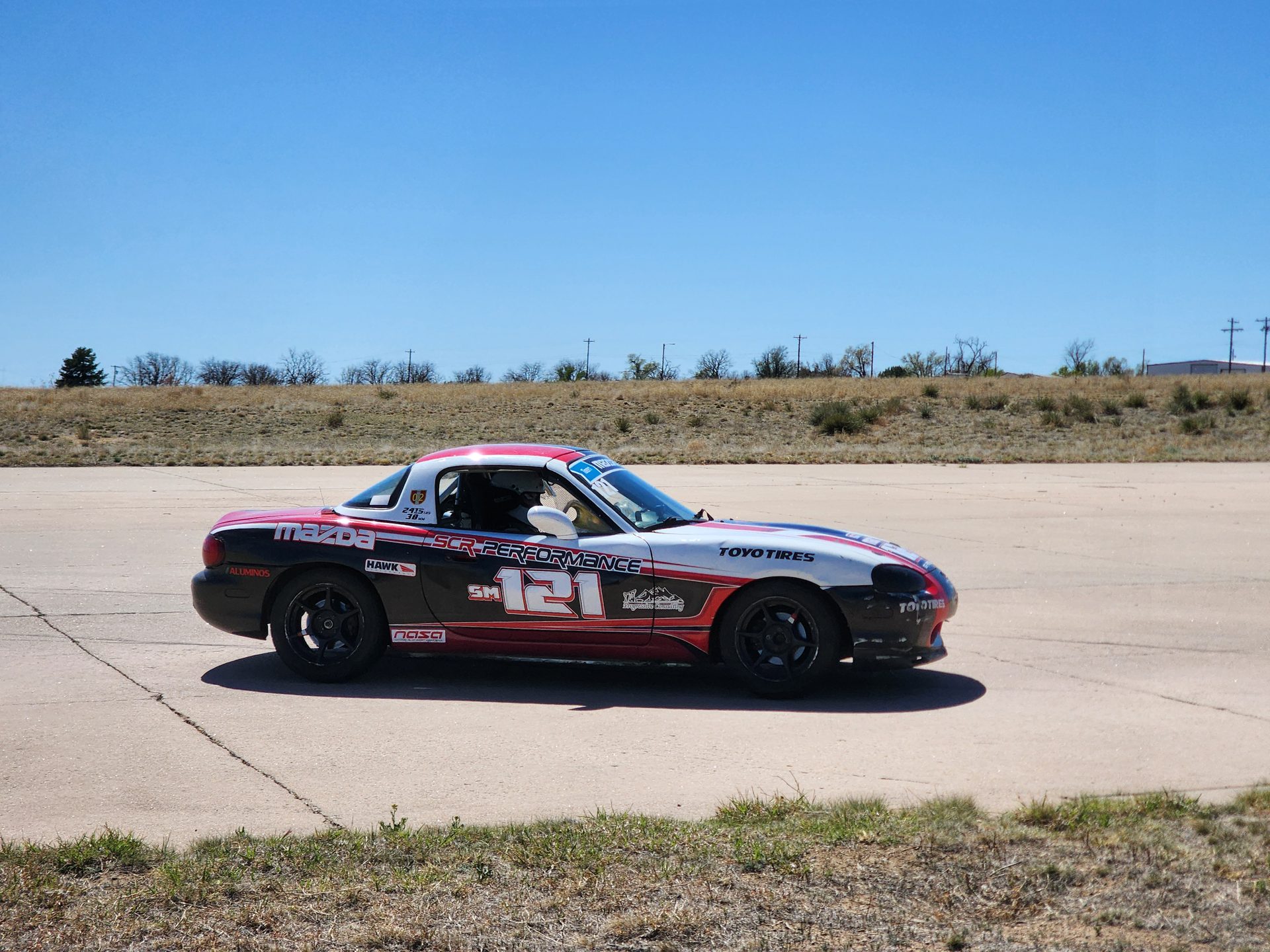 Every name on a race car started as one conversation. Some of the best ones happen at a kitchen table.
Here's the thing nobody tells first-year racers. Before a brand ever says yes, the people who already love you will. You just have to give them something better to say yes to than a donation link. That's exactly why a friends-and-family supporter sheet is one of the pieces we build in The Full Sponsorship Kit. It turns "how's racing going?" into a real ask with real tiers.
Why "GoFundMe my season" usually flops
A donation page asks people to give you money for nothing. Some will. Most will scroll past, because it sounds like a favor, not a deal.
The fees are small. GoFundMe's pricing page says there's no fee to start a fundraiser. For individuals, it takes 2.9% plus $0.30 out of each donation. Fair enough. The fee isn't the problem.
The problem is the frame. A donation page is a one-time push. I ranked crowdfunding as C-tier in our tier list of every way to fund your racing for exactly this reason. People give once, feel good, and don't want to be asked again next spring.
A supporter sheet flips that. It's not "please help." It's "here's what you get." That's a sponsorship, just a small one.
The supporter sheet: give them something real
This isn't a new idea. Pro racers have done it for years.
Back in 2009, fans raised money to get Kenny Wallace into the Nationwide race at Montreal. The AP reported the deal: for a $20 contribution, a fan got their name on the car. After the race, they got a photo of the car with Wallace's autograph. A name, a race, and a keepsake. That's the whole model.
Here's how I'd lay out a first-season sheet. These are my suggested tiers, not data from a real campaign:
| Tier | What they give | What they get |
|---|---|---|
| Pit Crew | $25 | Name on the supporter panel for the whole season |
| Grid | $50 | Name on the car + a signed race-day photo |
| Podium | $100 | All of the above + a personal recap after every race |
| Title Family | $250 | Bigger name placement + a shout-out post on your socials |
Now tie each tier to something real in your budget. A NASA or SCCA weekend entry runs about $500. A transponder rental is about $80 a weekend. Twenty people at the $25 tier covers an entry fee. Write that on the sheet. It's a lot easier to say yes when you can see exactly what your money did.
Your family doesn't want to fund "racing." They want to fund you, at a specific race, with their name riding along.
If building this from scratch sounds like a weekend you don't have, that's what The Full Sponsorship Kit is for. We build your supporter sheet with priced micro-tiers in your colors. Then we add the rest of the kit you'll need once a business notices: a pitch deck, a walk-in one-pager, a priced partnership tiers sheet, and a playbook that tells you which piece to use when.
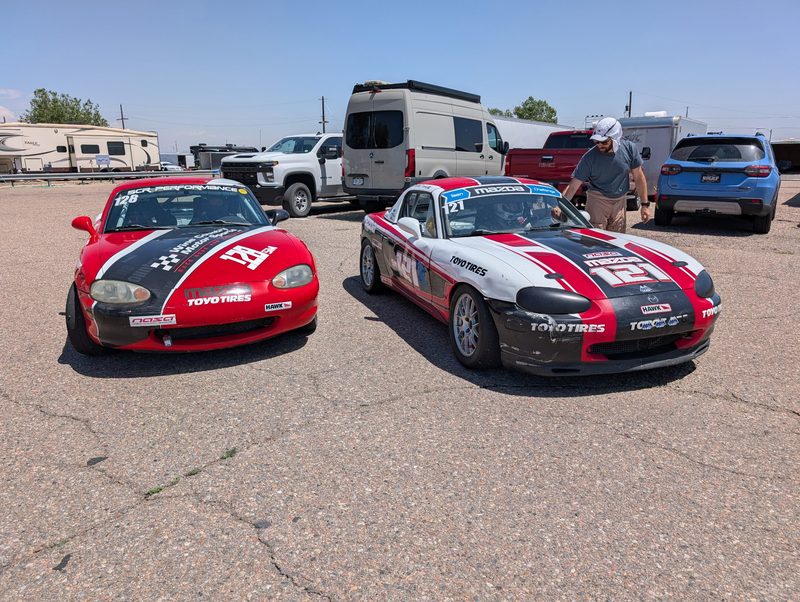 End of the day in the paddock. This is the photo your supporters want in their inbox after the race.
How to ask at the table without making it weird
Don't pitch during grace. Wait until someone asks how racing is going. Somebody always does.
Then try something like this:
"It's going great. I'm racing six weekends next year. I'm putting the names of the people who back me right on the car. Want to see the sheet?"
That's it. Hand them a printed copy. Let them read it. Don't chase anyone at the table. Send a short text with the link the next day to anyone who said "maybe."
Three rules keep this clean:
- Deliver every perk. Send the photo. Send the recap. Your supporters are your first proof that you keep your word.
- If you're under 18, a parent handles the money. Our post on who signs a minor's racing sponsorship covers why.
- Keep it optional. Nobody at Thanksgiving should feel ambushed. A no is fine. Pass the potatoes.
The tax bit (read this before you cash anything)
I'm not a tax pro, and this isn't tax advice. But you should know what the IRS has said.
In its 2024 fact sheet on crowdfunding, the IRS said this money may count as income for the person receiving it. It depends on the facts. Contributions made out of "detached and disinterested generosity" may be gifts. But a supporter tier gives people something back, like their name on your car. So don't assume it's all a gift. The IRS also says to keep complete records for at least three years. Track every dollar and every perk, and ask a tax professional if the numbers get real.
Where we stand
I'll be straight. LFR hasn't run a name-on-the-car campaign for our own Spec Miatas. Our sponsor deals have mostly been with businesses. What we do is build these sheets for drivers inside the Full Sponsorship Kit, alongside the deck and the one-pager. I'm not selling you a success story. I'm selling you a format pro racers like Kenny Wallace have used for years.
Get your sheet built before the holidays
Thanksgiving is about four weeks out. The Full Sponsorship Kit is $597. You fill out one questionnaire, send 10 to 20 photos, and get a first draft within a week of your complete intake. That means a supporter sheet in hand before the pie, plus the deck and one-pager for the businesses you'll pitch in January.
Already wrote your own supporter letter and want a second set of eyes? Send it through The Pitch Inspection for $39. You'll get it back marked up within 5 business days.
Sources: GoFundMe — Pricing and fees (checked October 2026), The Honolulu Advertiser / AP — "Fans raising money to send Wallace to race" (July 2009), IRS FS-2024-28 — Tax guidelines involving contributions and distributions from online crowdfunding (Aug. 2024). Entry-fee and transponder figures come from our own racing cost reference for NASA Rocky Mountain weekends. The tier table and the ask script are my own suggestions, not results from a real campaign. LeadFoot Racing has no customer, sales, or survey data in this post. This is general information from a racer and team owner, not tax or legal advice.
Do you believe?