
Most people think you need a race car to go racing. You don't. You can show up with a helmet and a driver's license and be on track by lunch.
It's called arrive-and-drive. And the first question everybody asks is the honest one: what does it actually cost?
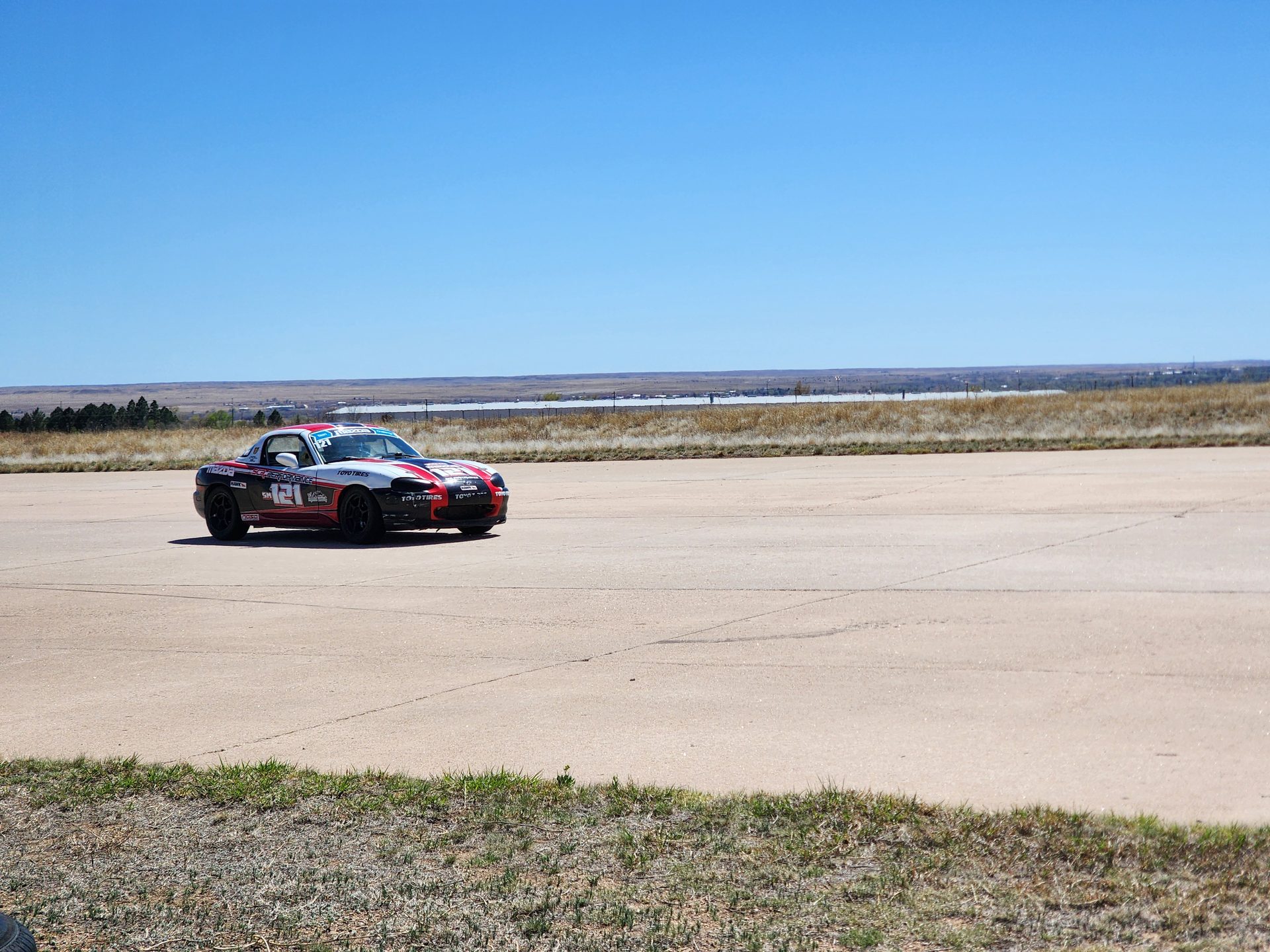
Let me break down the real numbers. Not a brochure price. The whole picture, including the fees that don't show up until you read the fine print.
What "Arrive and Drive" Actually Means
Owning a race car is a second job. You buy it, maintain it, tow it, fix it, and store it. That's the part that scares most people off before they ever turn a lap.
Arrive-and-drive skips all of that. A team owns the car, preps it, brings it to the track, and hands you the keys. You bring your safety gear and your entry fee. They handle the rest.
Think of it like renting a fully built race car with a crew attached. You drive. They wrench.
The barrier to racing was never talent. For most people it's the garage, the trailer, and the wrenching. Arrive-and-drive deletes all three.
At LeadFoot Racing, this is one of the core programs we run — full hospitality, crew, coaching, tires, and fuel. It's the exact model that got me hooked in the first place. I broke a car during my own license process, rented one to finish the weekend, and realized this was the way to make racing reachable for people who don't have a shop.
The Real Cost of a Race Weekend
Here are honest 2026 numbers, pulled from published rates across the country and lined up with what we see in our own program.
First, don't confuse two different things. A track-day lapping rental — a non-competition day where you just turn laps — is the cheapest tier. SCDA lists a Spec Miata at $945 all-inclusive per day, or $1,195 for the newer Global MX-5 Cup car. That's a great way to get seat time, but it is not a race weekend, and that day-rate is not what wheel-to-wheel racing costs.
A race-weekend arrive-and-drive — a prepped car, a crew, coaching, tires, and fuel for an actual competition weekend of practice, qualifying, and racing — is a bigger number. Advanced Autosports, one of the national leaders, lists about $3,150 for a two-day Spec Miata weekend, all-in on the car side. We set ours up differently: LFR rents seats by the full season (six NASA Rocky Mountain events, paid in full before the season starts, no damage deposit), not by the weekend. Pricing depends on the car and package, so it starts with a call.
Here's a rough breakdown of what a race weekend actually runs:
- Car (all-inclusive race-weekend rental): ~$3,150 nationally for two days (LFR rents full seasons only, priced on a call)
- Event entry fee: ~$500, almost always separate and paid by you straight to the sanctioning body
- Safety gear: you bring it, or rent it (around $300 for the weekend)
- Damage responsibility: a deposit or a track-insurance option
That "all-inclusive" rental price is the part people misread. It usually covers a lot: the car, tires, fuel, brakes, the crew, and often snacks and lunch. What it almost never covers is the entry fee and any damage you put on the car.
The Fees Nobody Warns You About
This is where the "cheap weekend" turns into a surprise. Two line items catch first-timers off guard.
The entry fee is separate. The sanctioning body (like NASA or SCCA) charges you to run the event. That's on top of your rental, and you pay it straight to them — budget around $500 for a weekend.
Damage is on you. Read this part twice. Most rentals make the renter responsible for physical damage. Deposits range from a small $250 booking hold at some shops all the way up to a $2,500 damage deposit before the car turns a wheel. Some programs sell supplemental track insurance to cap your exposure.
So the sticker price is the car. The real budget is the car, plus entry, plus a plan for the "what if I crash it" question. Ask about all three before you book anything, with any team.
Arrive-and-Drive vs. Owning: The Honest Math
People assume owning is cheaper because you're not "renting." That's only true if you race a lot and can do your own work.
Buy a Spec Miata and you're looking at the car, a trailer, a tow vehicle, tires, fuel, consumables, entry fees, and every repair. It adds up fast, and most of it hits whether you race once or ten times a year.
Arrive-and-drive flips that. You pay per weekend and nothing in between. No storage. No winter projects. No tow rig eating your driveway.
The rule of thumb I give people: if you're racing one to four weekends a year, arrive-and-drive almost always wins on total cost and on sanity. If you're racing a full season and love turning wrenches, ownership starts to make sense.
Either way, the number that funds all of this long-term is the same one: sponsorship. A single sponsor covering one weekend a season changes the whole equation. That's not a dream — it's the most repeatable way grassroots racers stay on track. The hardest part is knowing who to even ask and how to ask, which is exactly why we built The Get-Funded System: the research on who actually sponsors grassroots racers, plus the method and templates to land them, for $67. It's one of the cheapest line items on this whole page and the one most likely to pay for the rest.
So, Can You Actually Afford to Race?
Add it up and a real race-weekend arrive-and-drive starts around $3,650 all-in once you fold in the car, the entry fee, and gear — figure roughly $3,150 for a two-day rental nationally plus entry and gear. Ours is sold by the full season, and pricing depends on the car and package. If you just want seat time first, a track-day lapping rental is a cheaper on-ramp at under $1,200 for the day.
That's real money — but you skip the five-figure buy-in, the trailer, the tow rig, and the storage that owning a race car demands before you ever turn a lap. It's an honest number, not the "racing is only for rich people" myth you grew up believing.
You don't need a shop. You don't need a trailer. You need a helmet, an entry fee, and the belief that this is actually possible for you.
If you want to see what a real arrive-and-drive weekend looks like with a team that coaches you through it, take a look at how our Kart to Car program works — it's built for exactly the driver reading this. And if the money is the wall you keep hitting, the first move is landing one sponsor. Skip the guesswork and start with The Get-Funded System — $67, the research on who to pitch plus the method to land them, done for you.
Do you believe?
Sources: Advanced Autosports arrive-and-drive rates, SCDA Spec Miata rental cars (track-day rate), Mazda Racers rental market discussion, NASA Spec Miata. Rental and entry figures verified against currently published rates as of July 2026. Any specific cost claims in this post are based on these sources plus our own arrive-and-drive experience — actual pricing varies by team, track, and event, so confirm exact numbers before you book.